
Why Good Design Isn’t Enough in Hospitality
“Good design” is often treated as the benchmark for a successful hospitality space. Clean finishes, cohesive materials and a polished aesthetic can create a strong first impression.
But for growing brands, good is rarely enough.
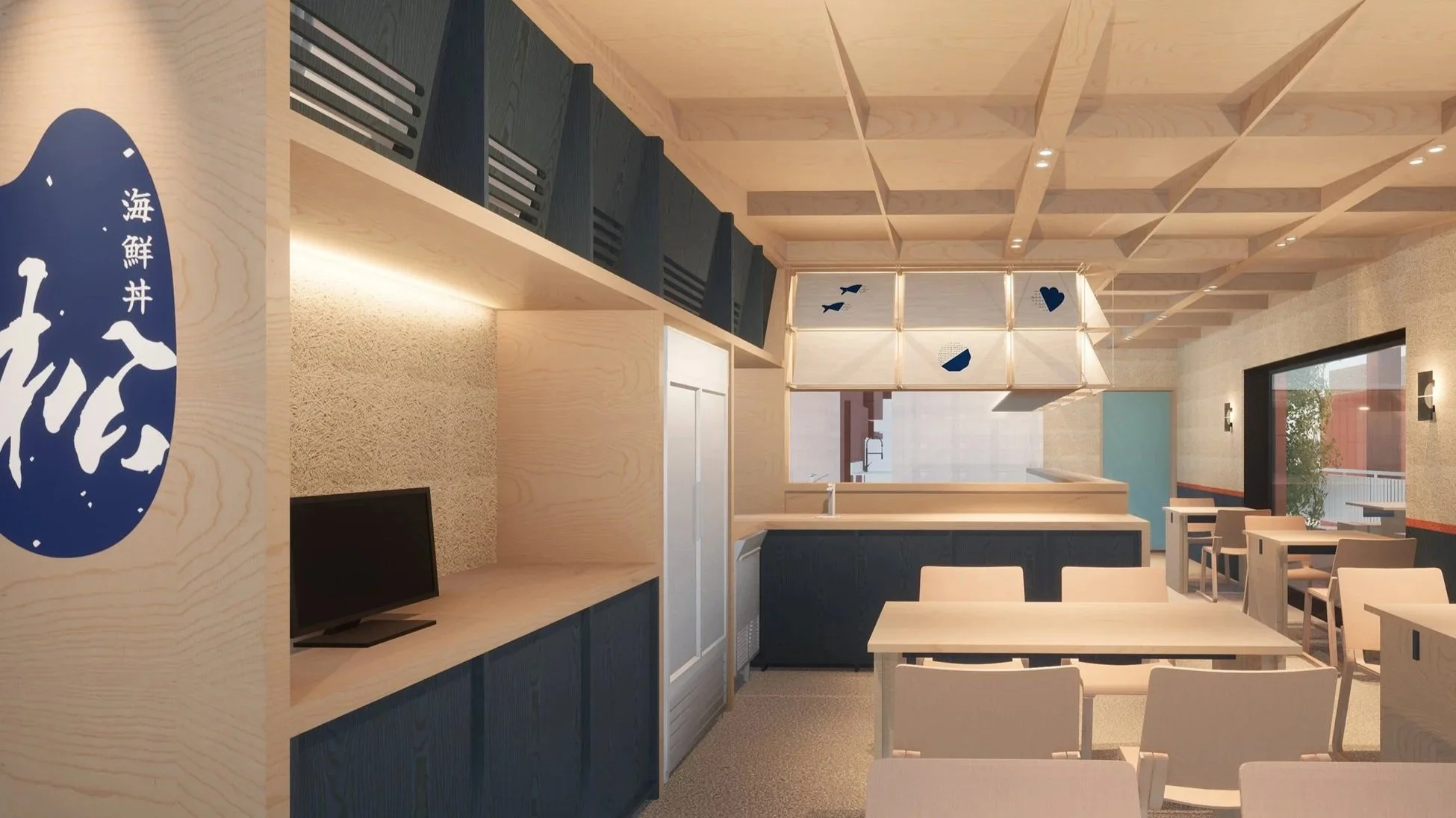
As hospitality businesses scale, design shifts from something visual to something operational — shaping how a space performs, how people move, and how a brand is experienced over time.
Aesthetic Alone Doesn’t Sustain Performance
A well-designed venue may attract attention, but without strategic intent, it rarely sustains it.
Spaces that prioritise appearance over performance often reveal gaps over time — service flow becomes disrupted, layouts struggle under peak demand, and the experience begins to feel inconsistent.
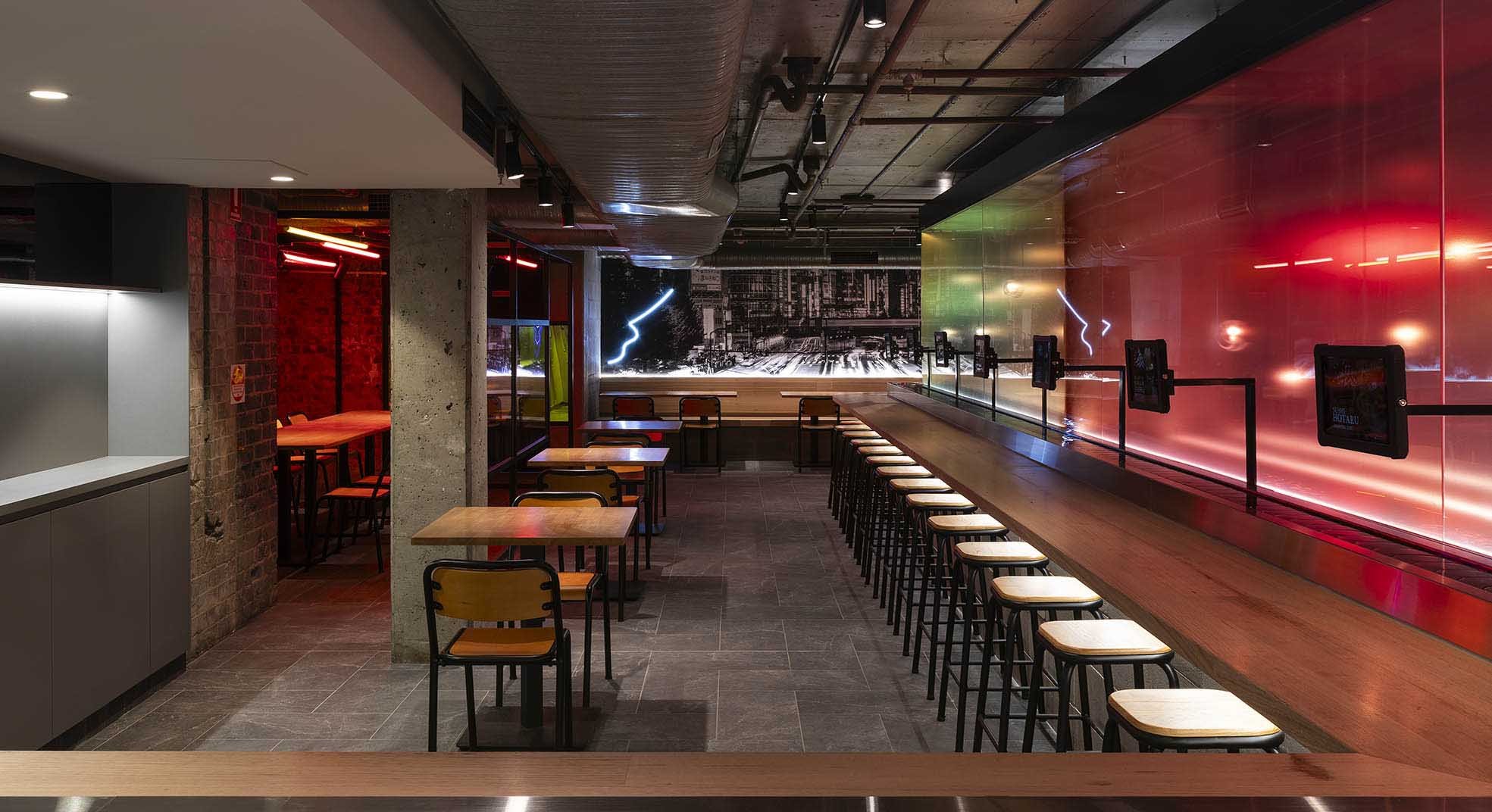
In projects like Sushi Hotaru, design extends beyond aesthetics. Flow, operational logic and customer engagement are considered as one system, ensuring the space performs as seamlessly as it looks.
Design should support how a business runs daily — not just how it presents itself.
Growth Requires Systems, Not One-Off Solutions
As brands expand, consistency becomes more complex. A single well-designed venue is not enough — the real challenge lies in whether that design can evolve and translate across locations.
Scalable brands rely on structure:
Design systems that carry across sites
Clear brand anchors that maintain identity
Flexible frameworks that respond to different environments
Without this, even strong concepts begin to fragment. Growth is not about replication, but about creating a design language that adapts without losing clarity.
Experience Is Shaped by Movement
Customer experience is rarely defined by what is seen alone — it is shaped by how a space is navigated.
When flow is unresolved, the impact is immediate. Entry points feel unclear, movement becomes disrupted, and time spent in the space shortens.
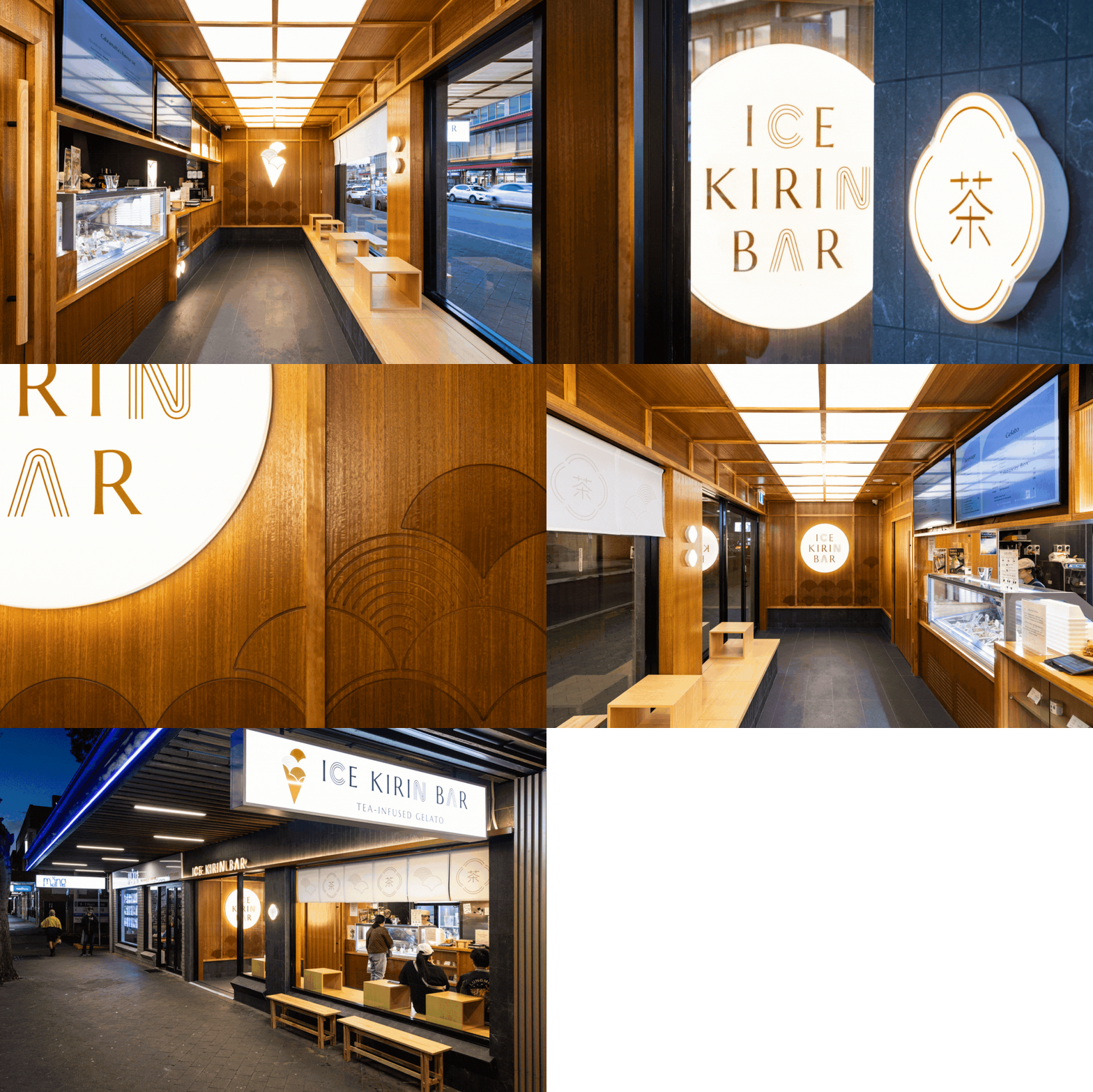
Projects like Ice Kirin Bar demonstrate how intuitive planning can influence behaviour — guiding movement naturally, encouraging engagement and supporting longer dwell time.
Design, at its best, works quietly — directing experience without being noticed.
Operational Clarity Drives Long-Term Value
Behind every successful venue is a layout that supports the team as much as the customer.
When operational planning is overlooked, inefficiencies surface quickly — service slows, staff movement increases, and margins are affected.
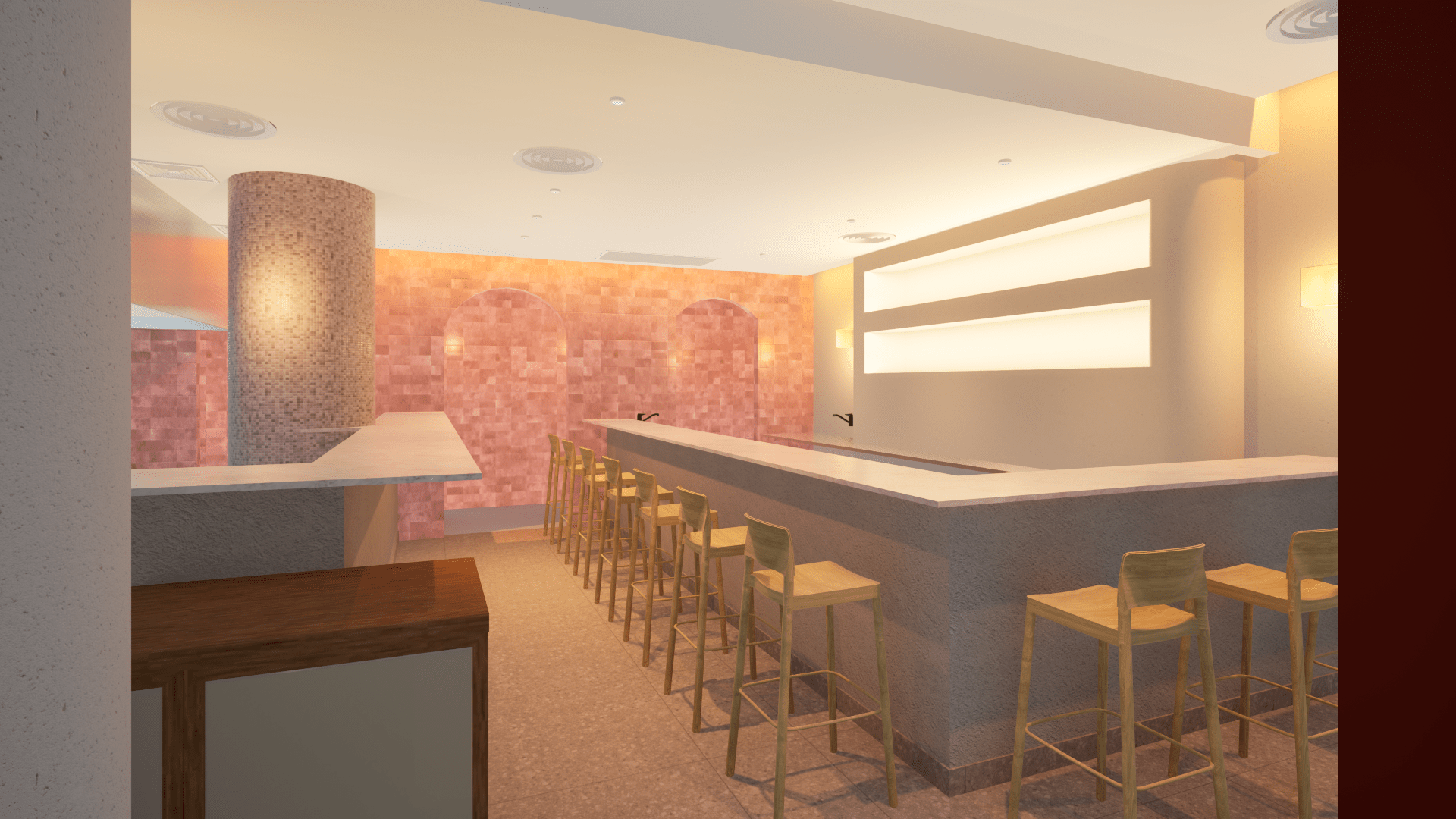
In venues like Ippin Japanese Dining, operational thinking is embedded early. Adjacencies, zoning and service flow are resolved from the outset, ensuring the space performs with clarity under pressure.
A space that looks refined but functions poorly will always fall short.

Brand Is Experienced, Not Applied
Branding in hospitality is often reduced to surface elements — signage, colour and graphics. But strong spaces communicate identity more subtly.
Materiality, lighting and spatial rhythm all contribute to how a brand is felt. These elements shape perception, creating moments of recognition without the need for explicit cues.
The most effective environments don’t display brand — they embody it.
Designing for Change, Not Just Completion
Hospitality is constantly evolving. Concepts shift, menus adapt, and customer expectations change.
Spaces designed purely for the present often struggle to keep pace.
Future-focused design considers longevity — allowing for flexibility, durability and change without requiring complete reinvention. In this way, design becomes an asset that continues to support the business over time.
Looking Ahead
For growing hospitality brands, design must do more than look considered. It must perform, scale and adapt.
“Good design” is no longer the benchmark — it is the baseline.
What matters is whether a space works, evolves and contributes meaningfully to the business behind it.
Final Thought
Good design creates interest. Strategic design builds lasting value.
At Vie Studio, we design hospitality spaces that align experience, operations and brand — creating environments built not just for opening day, but for long-term growth.
📩 Planning a hospitality concept that needs to perform as well as it looks?
Let’s create a space built for growth, not just first impressions.
