
For growing hospitality brands, replication often feels like efficiency. When a venue performs well, the instinct is to repeat it — same layout, same finishes, same formula.
On the surface, copy-paste fitouts promise speed, cost control and consistency. In reality, they often introduce friction, limit performance and dilute the brand over time. Growth doesn’t come from duplication. It comes from designing systems that adapt without losing identity/
Every Site Demands a Different Response
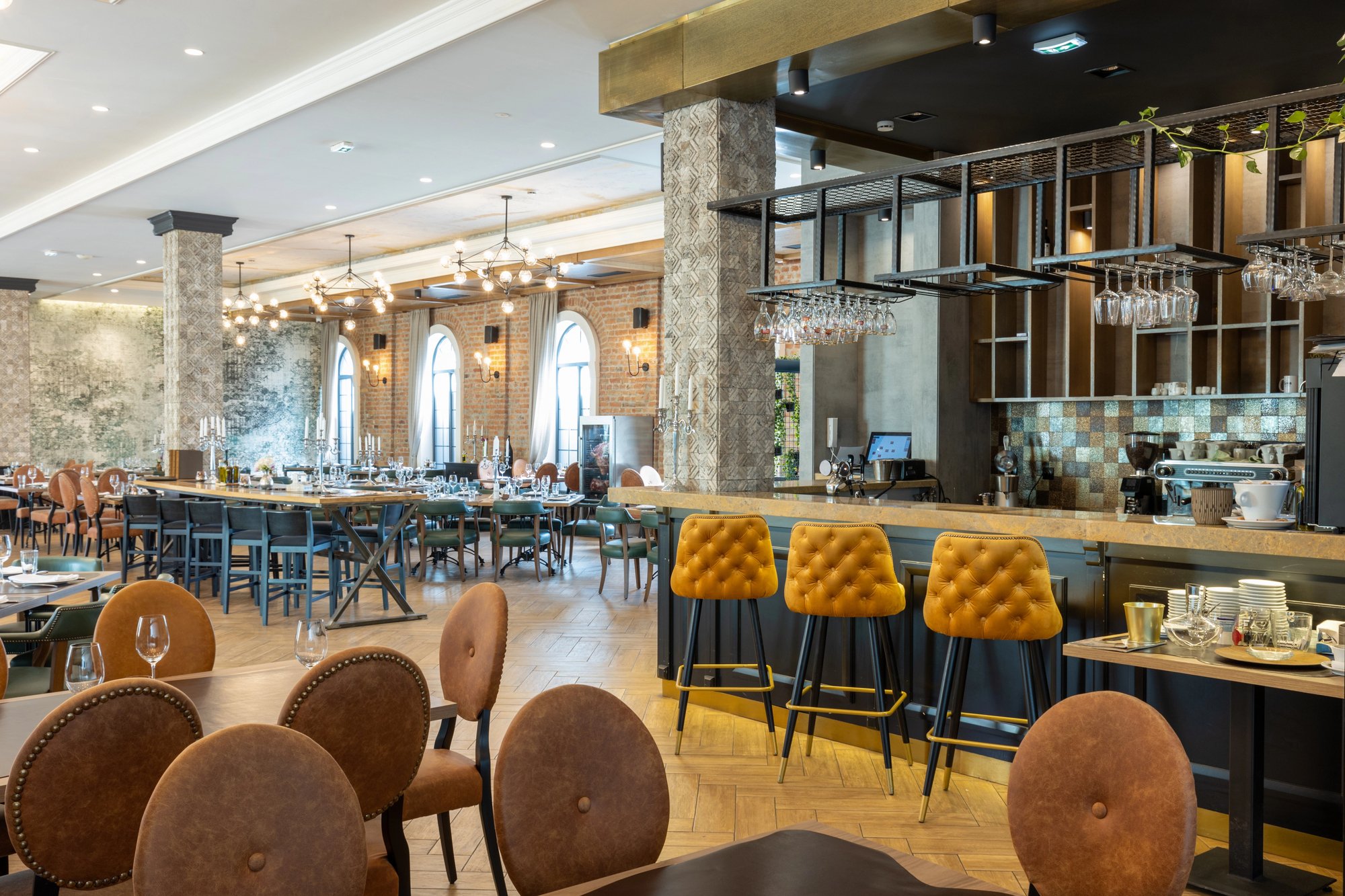
No two locations are the same. Variations in footprint, access, services and customer behaviour all shape how a space should function.
When design is replicated without adjustment, these differences are overlooked. Layouts begin to feel forced, circulation becomes inefficient, and the balance between customer and operational flow is compromised.
In projects like Ice Kirin Bar, design responds directly to site conditions — ensuring the space feels resolved, not imposed.
Design should respond to context, not override it.
Replication Restricts Performance
What works in one location rarely performs the same in another.
Customer demographics, surrounding environments and traffic patterns all influence behaviour in subtle but significant ways.
When spaces are replicated rigidly, opportunities are lost. Movement feels less intuitive, engagement weakens, and overall performance begins to decline.
Design must be calibrated to each environment — not simply repeated.
Consistency Is Built Through Systems
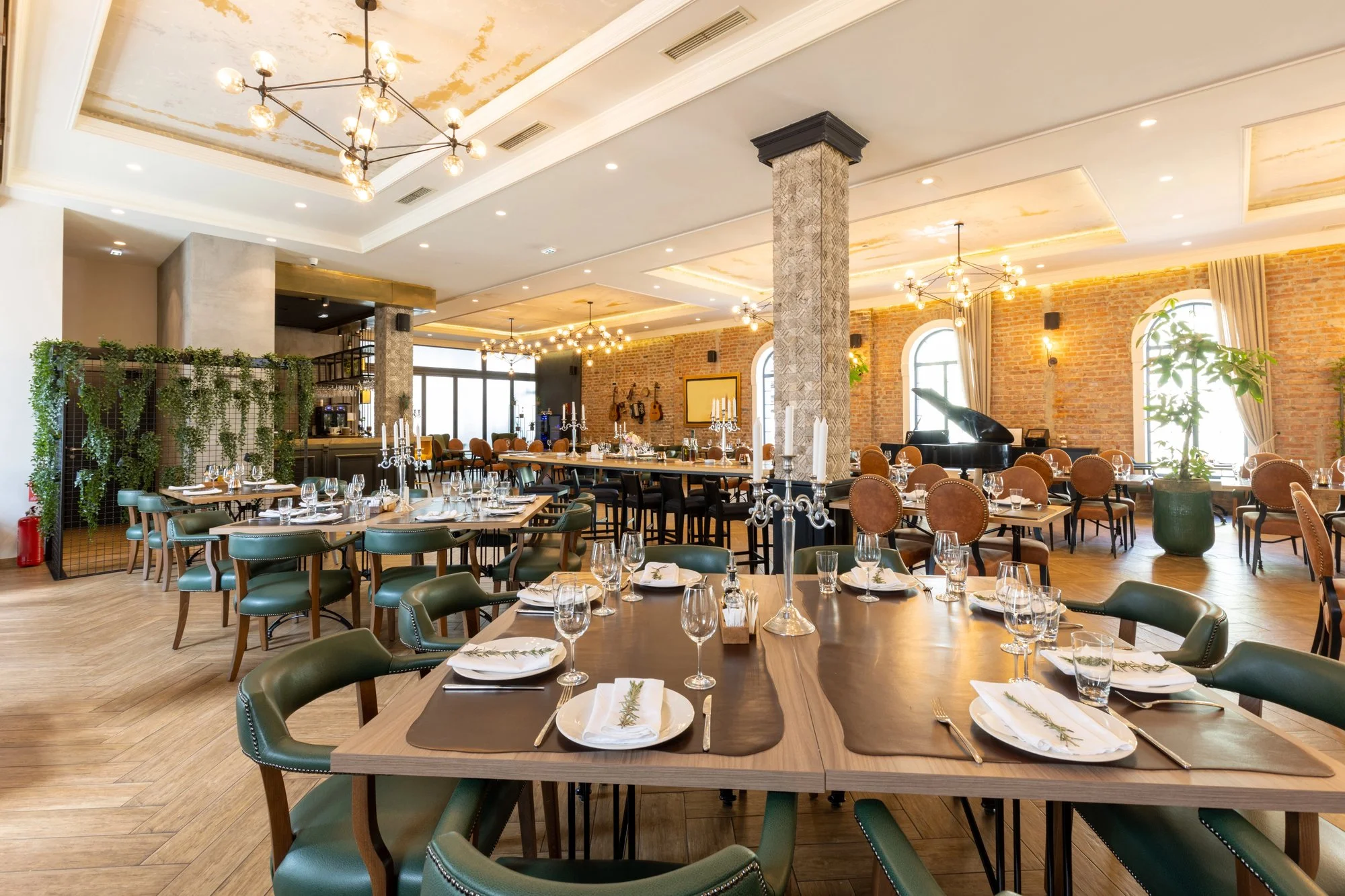
Consistency is often misunderstood as sameness. In practice, strong brands maintain recognition through structure, not duplication.
A clear design system allows variation without losing identity — anchoring key elements while allowing flexibility in response to each site.
Projects like Sushi Hotaru demonstrate how experience, materiality and spatial language can remain consistent, even as layouts evolve.
Consistency, at its strongest, feels coherent — not identical.
Operational Efficiency Cannot Be Standardised Blindly
Operational flow is highly sensitive to spatial conditions. When layouts are copied without adaptation, inefficiencies quickly emerge.
Service zones misalign, circulation paths become longer, and bottlenecks form under pressure. Over time, these small issues compound — affecting speed, staffing and ultimately, profitability.
In venues like Ippin Japanese Dining, operational clarity is considered early, ensuring each space performs efficiently within its specific context.
A layout that works on one site can hinder another.
Brand Experience Risks Becoming Generic
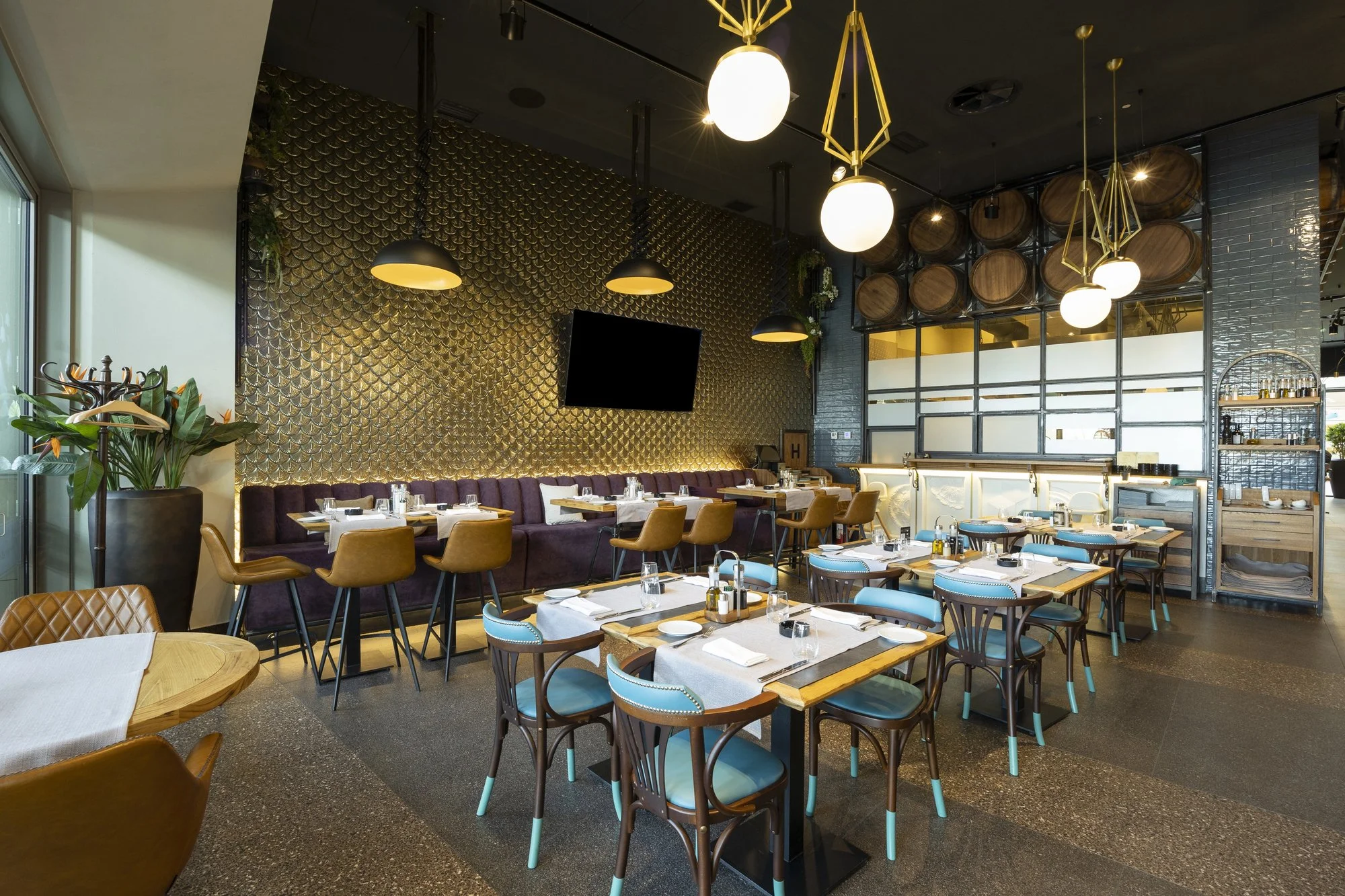
Copy-paste fitouts can flatten the brand experience. When spaces are repeated without nuance, they begin to lose depth — feeling disconnected from their surroundings.
Customers respond to authenticity. They notice when a space feels considered, and equally, when it feels imposed.
Strong brands create environments that are cohesive, yet responsive — spaces that feel familiar, but never generic.
Designing Systems, Not Templates
The most successful hospitality brands don’t replicate spaces — they develop systems.
These systems guide how a brand adapts:
Material palettes that allow controlled variation
Spatial principles that respond to different footprints
Design frameworks that maintain clarity across locations
This approach allows each venue to feel tailored, while still contributing to a unified brand experience.
Looking Ahead
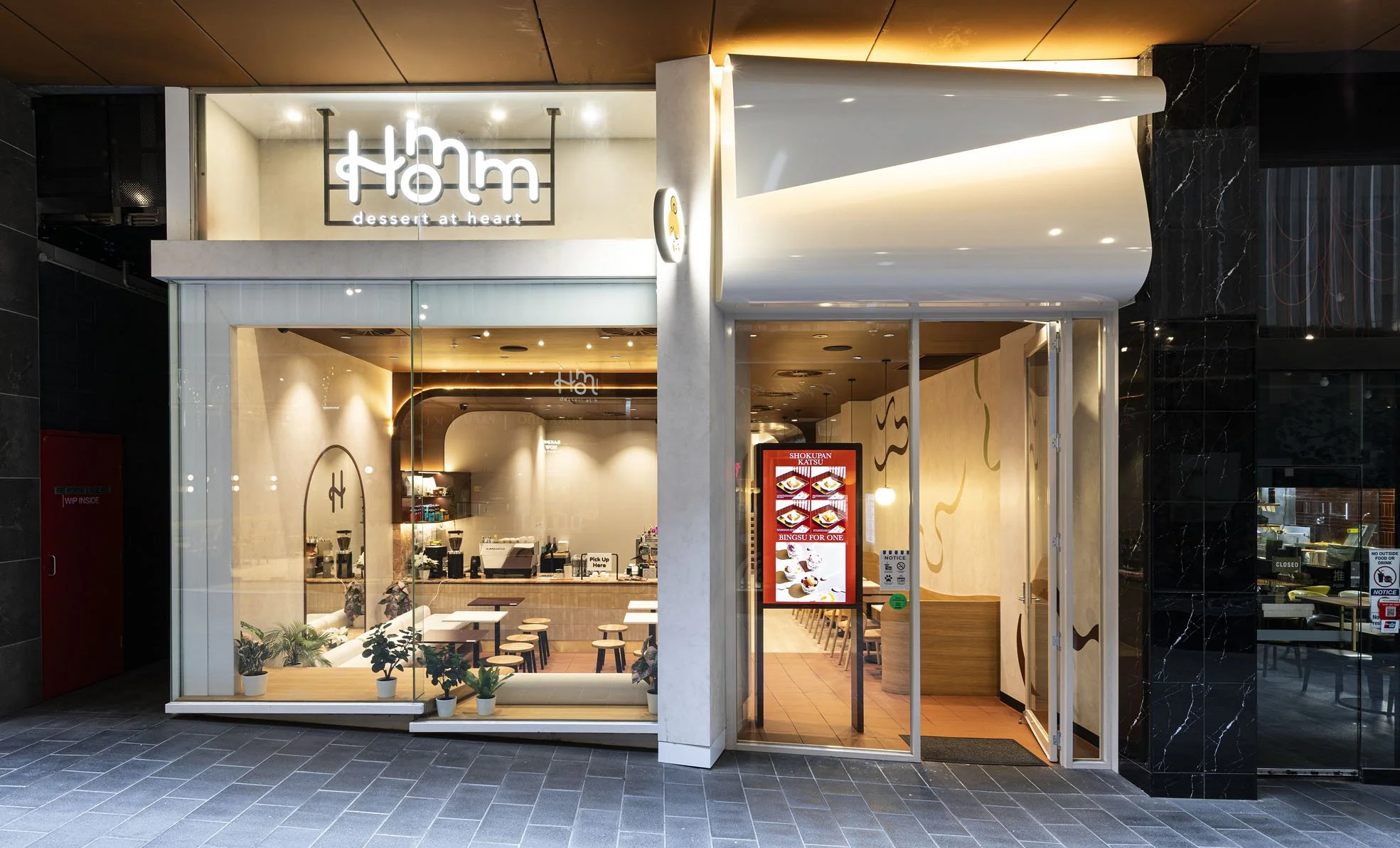
As hospitality brands grow, the challenge is not how to repeat a space, but how to evolve it. Copy-paste fitouts may offer short-term efficiency, but they limit long-term performance. Adaptive, system-led design ensures each location works harder, feels more relevant, and strengthens the brand with every rollout.
Final Thought
Growth demands more than repetition. It requires clarity, adaptability and intent.
At Vie Studio, we design hospitality environments that evolve with each location — aligning brand, operations and experience into systems that scale.
📩 Planning a multi-location rollout?
Let’s design a system that grows with your brand, not against it.
