
Balancing Creativity, Compliance and Commercial Design
Great design rarely exists in isolation. Behind every resolved space is a careful alignment of creative vision, regulatory requirements and commercial performance.
The challenge is not choosing between them. It is ensuring they work together, shaping environments that are both compelling and viable.
Creativity Sets the Direction
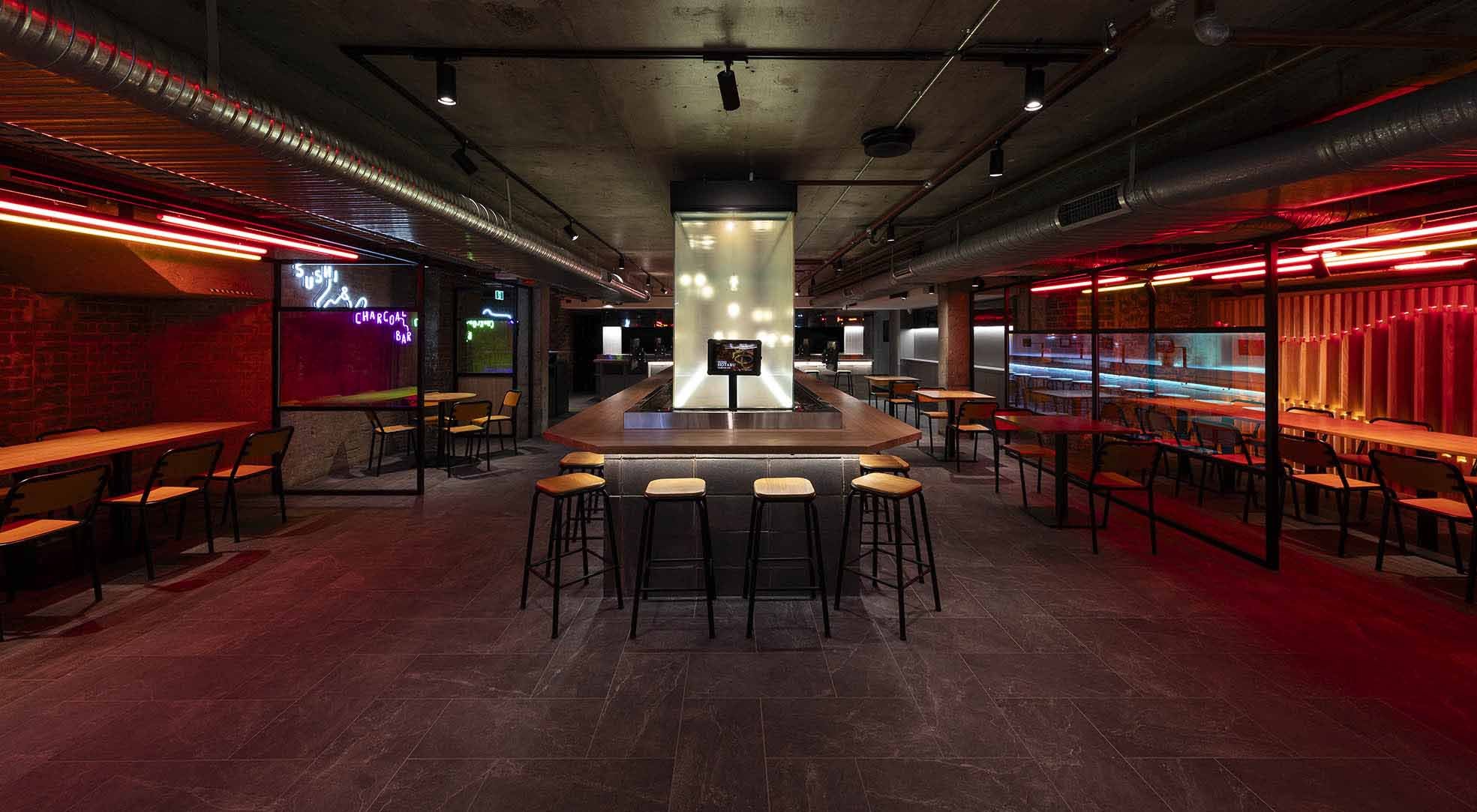
Creativity gives a space its identity. It defines how people feel, how they move, and what they remember.
Without it, design becomes purely functional — efficient, but forgettable. Through spatial storytelling, materiality and rhythm, creativity shapes experience.
In projects like Sushi Hotaru, brand identity is not applied to the space, but embedded within it — expressed through movement, layering and atmosphere rather than surface elements.
At its best, creativity is not decoration. It is the foundation of how a space communicates.
Compliance Grounds the Outcome
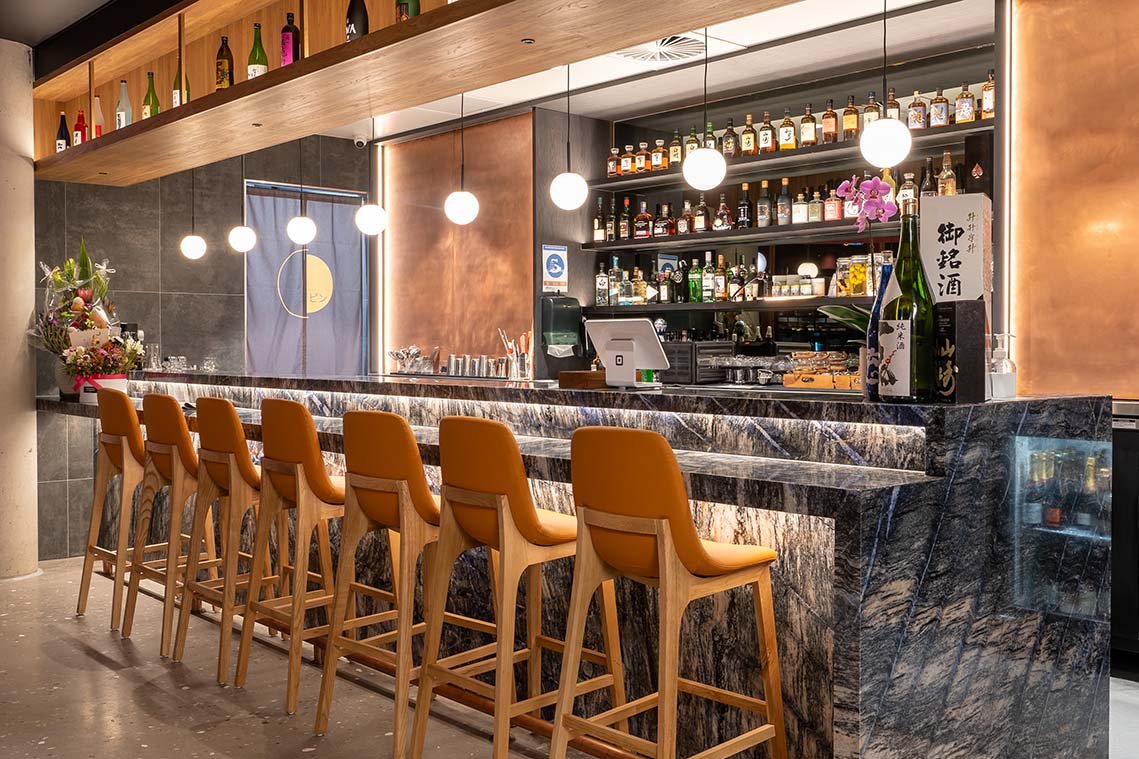
Every project operates within a framework of constraints — building codes, accessibility requirements and safety regulations.
These are often seen as limitations. In practice, they provide structure. When integrated early, compliance sharpens decision-making. It informs layout, material selection and spatial planning, ensuring the design is not only considered, but buildable and inclusive.
In projects like Ippin Japanese Dining, regulatory requirements are resolved seamlessly within the design — supporting clarity without compromising intent.
Good design doesn’t work around compliance. It works with it.
Commercial Reality Defines Performance
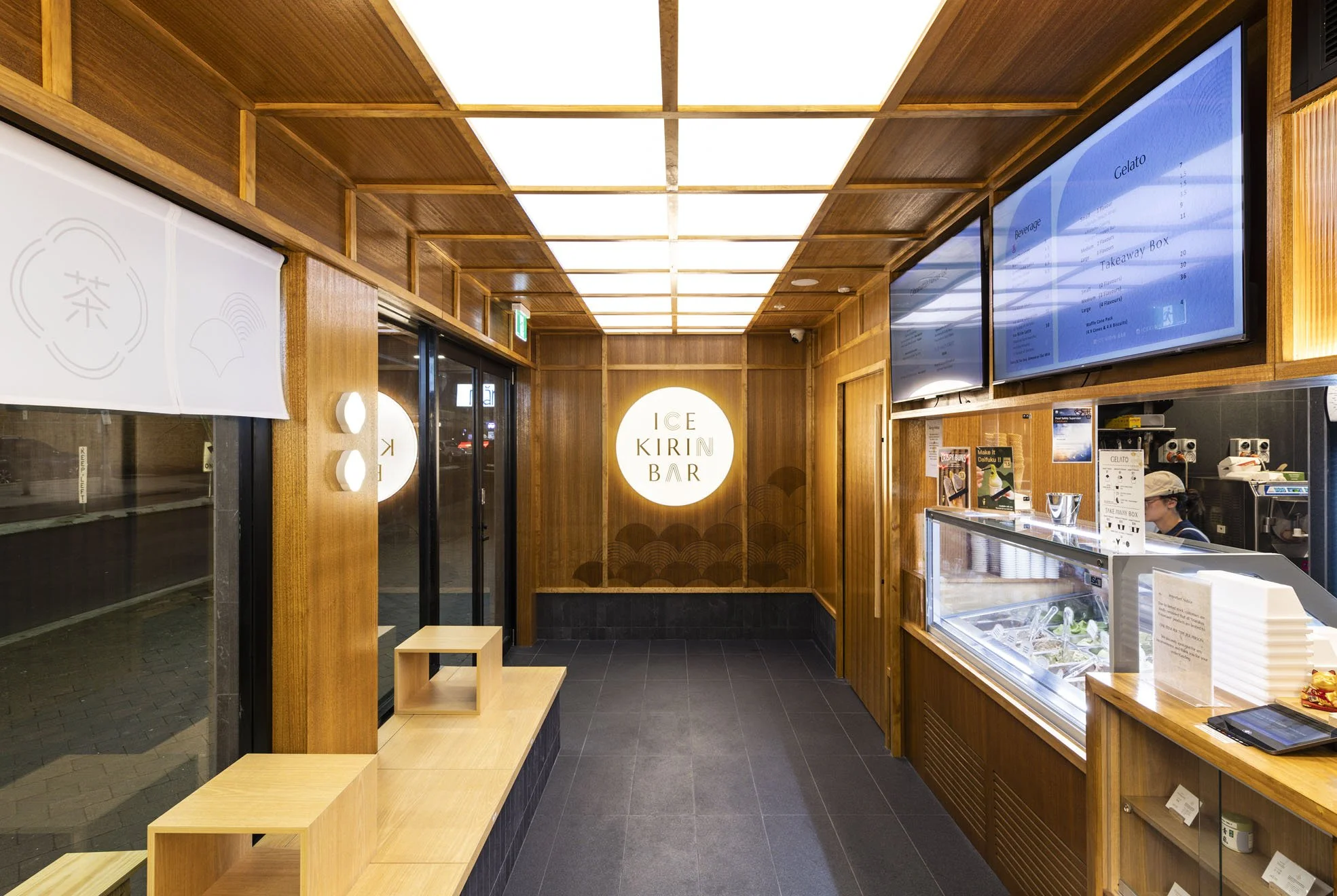
A space that looks refined but fails to perform will not sustain itself. Design must support the business behind it — shaping how efficiently it operates and how effectively it engages customers.
This includes how people move, how long they stay, and how the environment influences behaviour. It also extends to operational efficiency — from service flow to material durability.
Projects like Ice Kirin Bar demonstrate how design can elevate brand presence while supporting commercial outcomes — creating spaces that attract, engage and convert.
Performance is not separate from design. It is part of it.
Where Constraint Becomes Clarity
The intersection of creativity, compliance and commercial reality is where design becomes most effective. Constraints do not weaken ideas — they refine them.
They challenge assumptions, clarify priorities and ensure that design decisions hold up beyond concept. When these forces are aligned, the result is a space that feels resolved at every level — visually, operationally and commercially.
Designing with Alignment from the Start
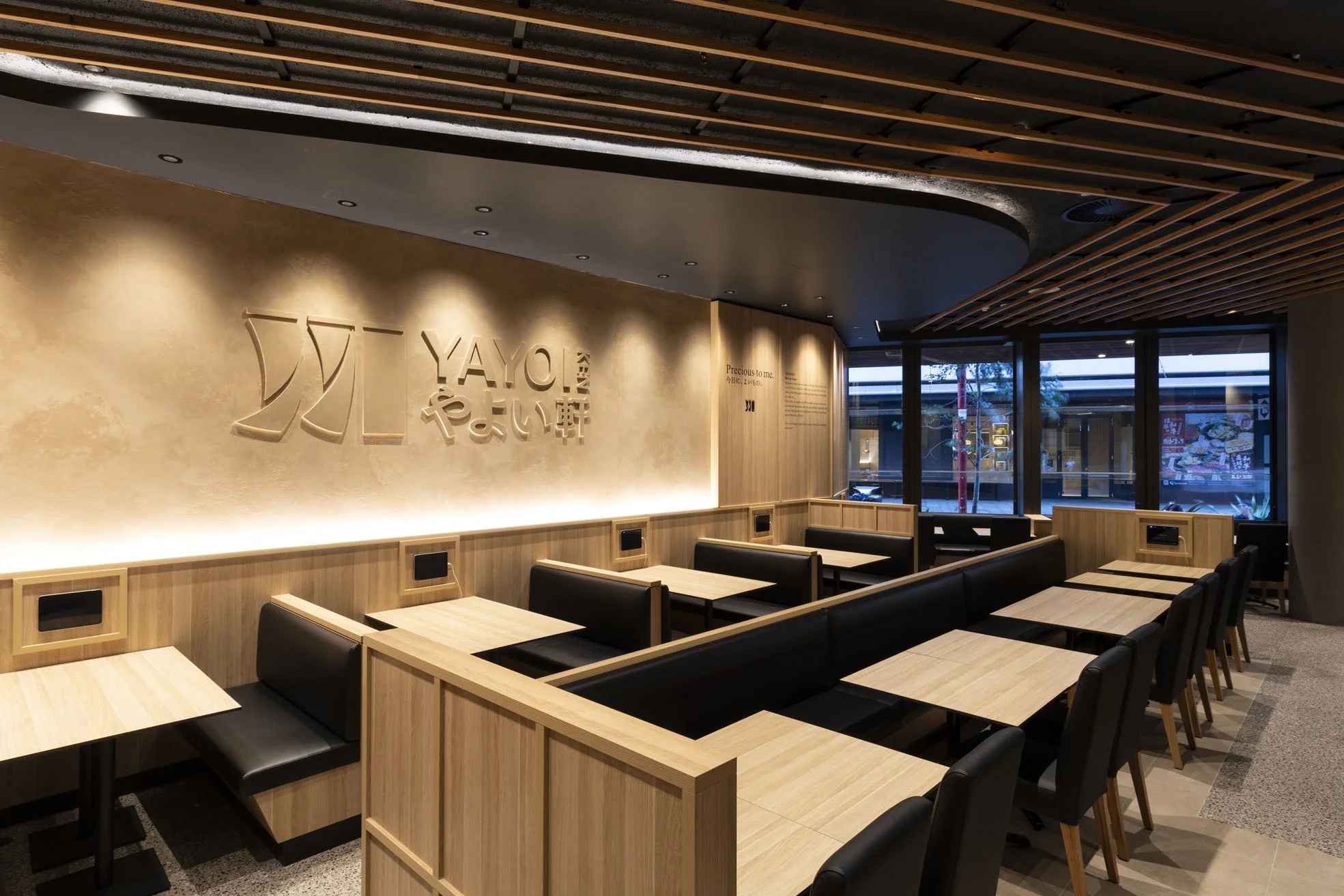
The strongest outcomes come from integrating these considerations early. When creativity leads without understanding constraints, compromise follows. When compliance or budget dominates too soon, design loses clarity.
A balanced approach allows vision and feasibility to evolve together — reducing friction during delivery and strengthening the final result.
This is where early collaboration becomes critical, ensuring alignment before decisions become limitations.
Looking Ahead
As projects grow more complex, the ability to balance creativity, compliance and commercial performance becomes essential.
Designers are no longer just shaping spaces — they are navigating systems, constraints and outcomes. The most successful environments are those where these elements are not in tension, but in alignment.
Final Thought
Great design is not about compromise. It is about alignment.
At Vie Studio, we design spaces where creative intent, regulatory clarity and commercial performance work together — delivering environments that are considered, buildable and enduring.
📩 Planning a project that needs to perform as well as it looks?
