
When Is the Right Time to Engage an Interior Designer?
Engaging an interior designer is often seen as a later-stage decision — something to consider once a lease is signed or construction is about to begin. In reality, the earlier a designer is involved, the more strategic value they can deliver. Timing isn’t just about aesthetics; it directly affects clarity, cost, efficiency, and long-term performance.
Before You Lock in a Site
The best time to engage an interior designer is often before committing to a location. At this stage, design insight can help assess whether a site truly supports your business goals.
An interior designer can:
Evaluate spatial potential and layout efficiency
Identify limitations that may impact operations or experience
Flag hidden costs related to structure, services, or compliance

Early involvement reduces risk and ensures the space can realistically support your vision — not just on paper, but in practice.
During Brand or Concept Development
Design is most powerful when it evolves alongside brand strategy, not after it. Engaging a designer during concept development allows spatial decisions to reinforce identity from the outset.
This is particularly important for brands focused on experience-led environments, as explored in how spaces communicate brand without signage.
Early collaboration helps:
Translate brand values into spatial language
Align layout, materials, and atmosphere with positioning
Avoid cosmetic fixes later that dilute brand clarity
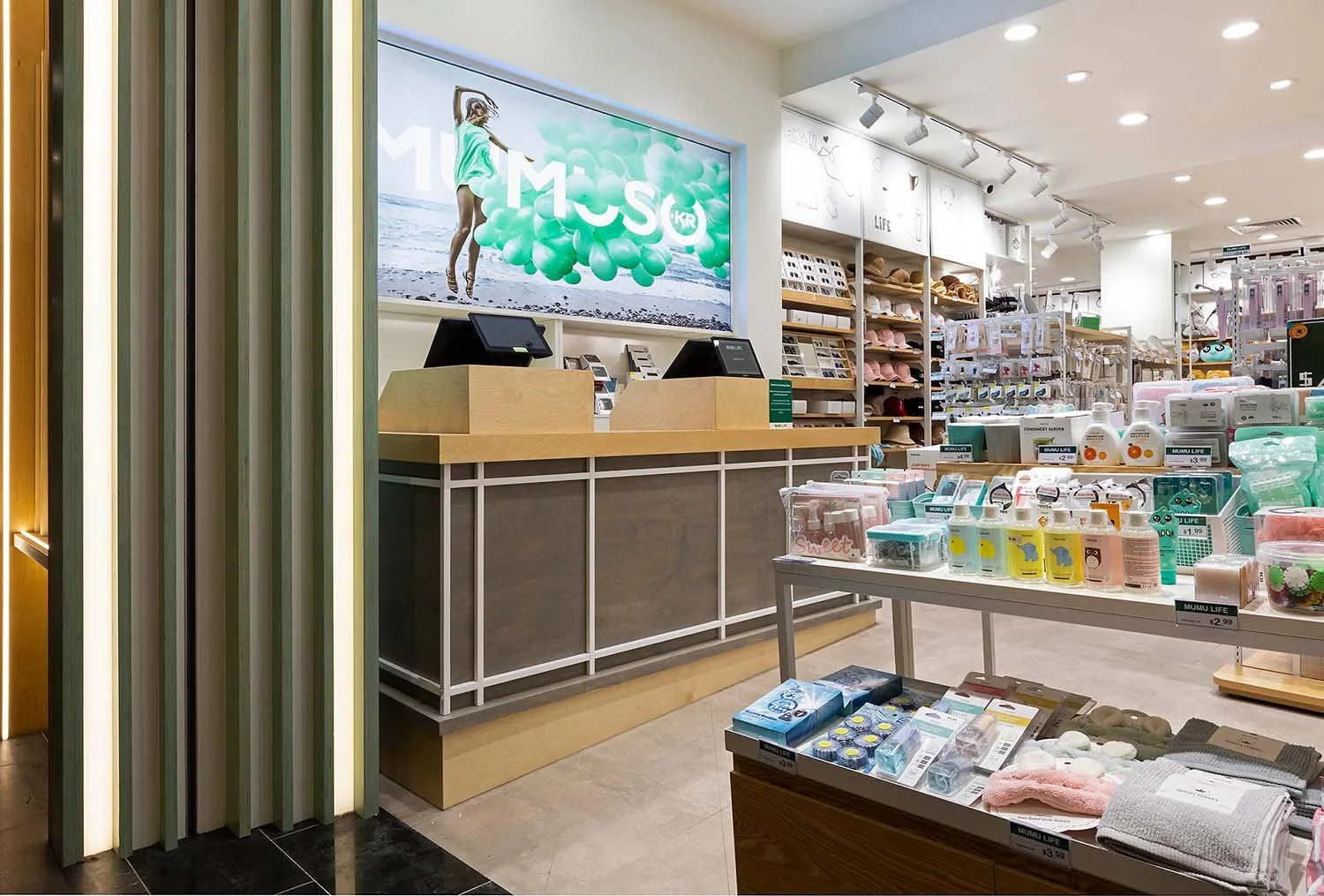
Before Budget and Timeline Are Fixed
Once budgets and timelines are locked, flexibility disappears. Designers engaged early can help shape realistic scopes and prioritise spend where it delivers the most impact.
Identify cost-saving opportunities through smarter planning
Balance ambition with feasibility
Reduce late-stage changes that drive delays and overruns
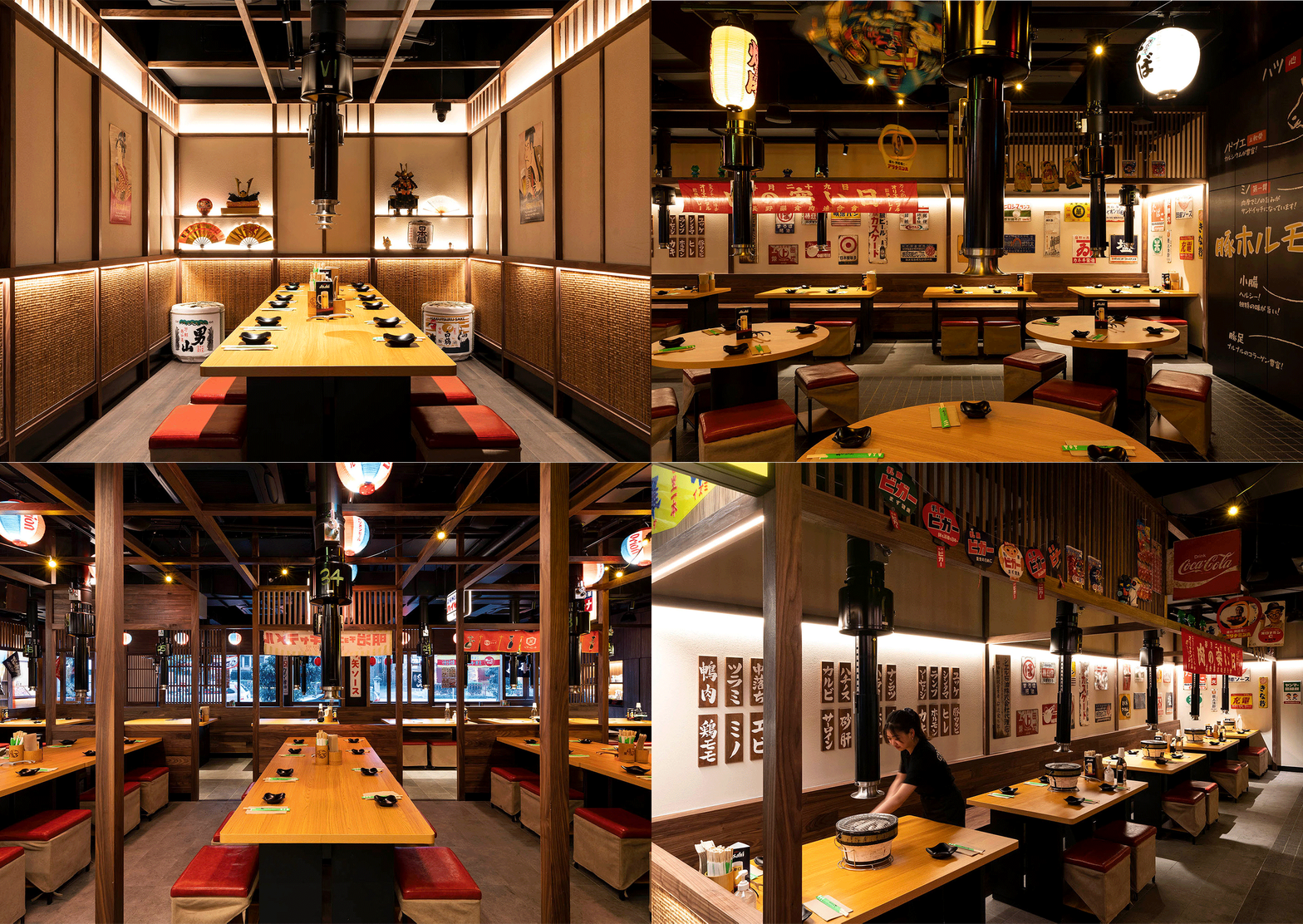
This proactive approach supports stronger commercial outcomes, similar to the thinking behind how interior design drives revenue in hospitality.
At the Start of Multi-Location Planning
For brands planning to scale, early design involvement is critical. Consistency becomes harder to manage once multiple sites are in motion.
Engaging a designer early allows you to:
Define a scalable design system
Establish brand anchors and flexible elements
Avoid costly redesigns as locations roll out
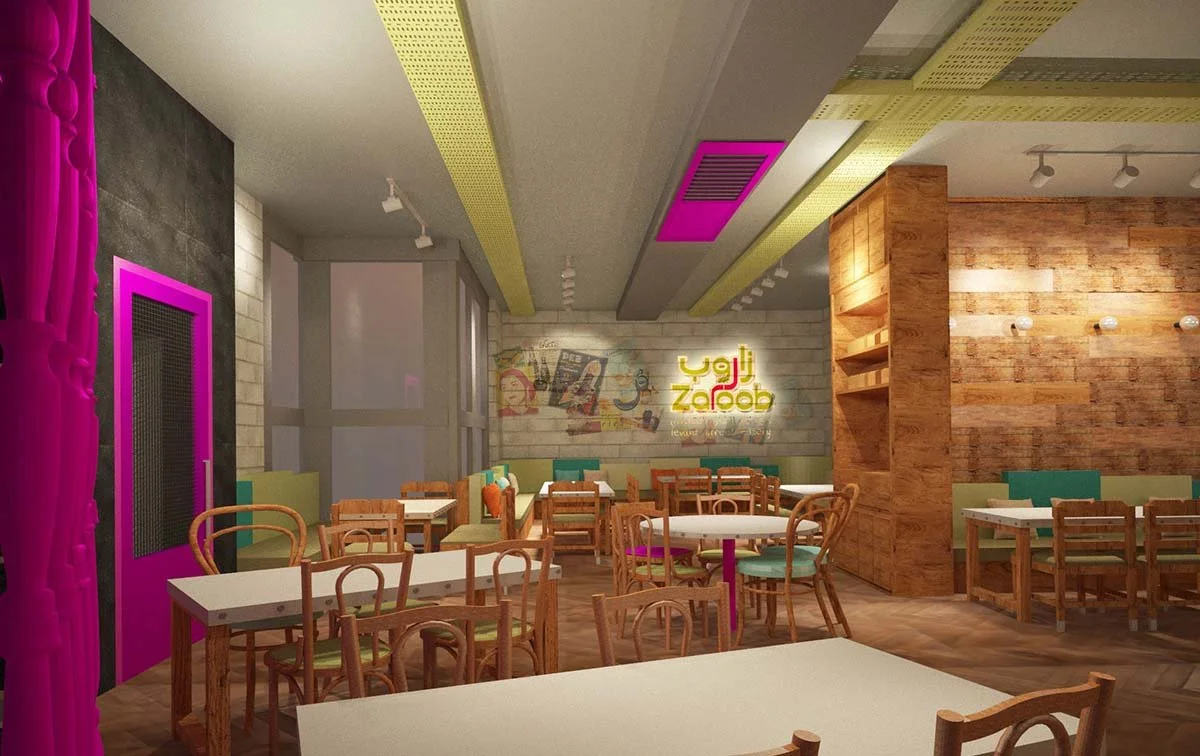
This aligns with best practice discussed in how brands stay consistent across locations.
Before Layout and Flow Decisions Are Made
Customer and staff experience are shaped by layout long before finishes are selected. Flow, zoning, and adjacencies are difficult — and expensive — to change once documentation begins.
Early design input ensures:
Logical customer journeys and dwell-time optimisation
Efficient operational flow
Clear zoning that supports behaviour and comfort
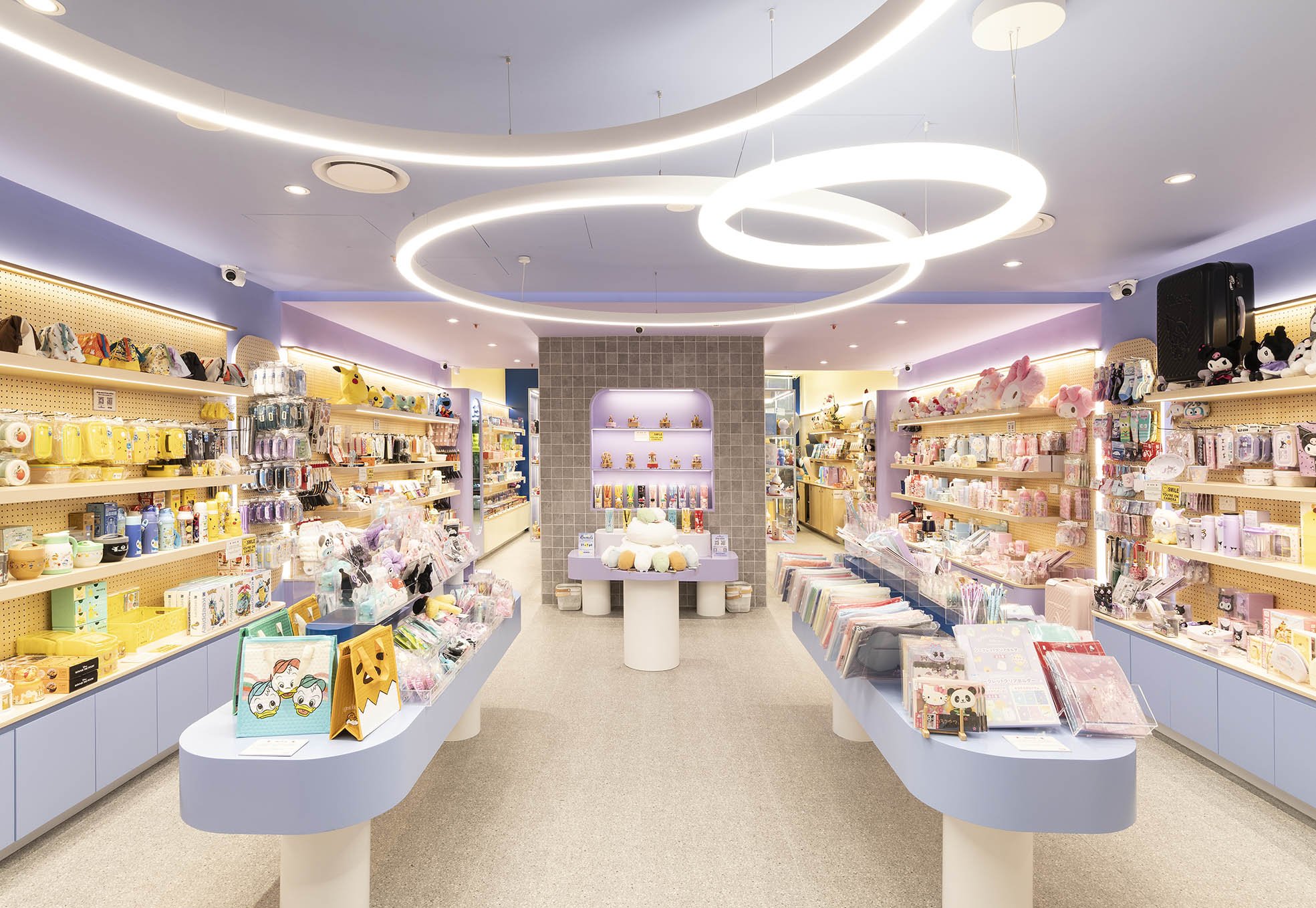
These principles are explored further in how customer flow impacts dwell time and spend.
Too Late Is Usually During Construction
The least effective time to engage an interior designer is when construction is already underway. At this point, design input becomes reactive rather than strategic.
Late engagement often results in:
Compromised layouts
Increased costs from rework
Missed opportunities to elevate experience and performance
While designers can still add value, the impact is significantly reduced compared to early involvement.
Looking Ahead
Interior design is not a finishing touch — it’s a strategic tool. Engaging a designer early provides clarity, reduces risk, and ensures spaces perform as intended from day one.
The right time is rarely “later.” It’s when decisions still have room to shape outcomes.
Final Thought
Engaging an interior designer early isn’t about spending more — it’s about designing smarter.

At Vie Studio, we work with clients from the earliest stages to:
Shape strategy before space is fixed
Align brand, layout, and experience from day one
Deliver spaces that perform commercially and culturally
📩 Planning a new space or expansion? Let’s start designing at the right time.
