
Design Mistakes That Hurt Hospitality Profits
In hospitality, not all profit loss is obvious. While rising costs and staffing pressures are easy to spot, some of the most damaging margin killers are built directly into the space itself. Poor design decisions, often made early and overlooked later, can quietly erode revenue, efficiency, and long-term performance.
Good design supports profitability. Bad design drains it, day after day.
Inefficient Layouts Increase Labour Costs
When layouts prioritise aesthetics over operations, staff efficiency suffers. Extra steps, awkward adjacencies, and unclear zoning all slow service and increase labour demand.
Common layout issues include:
Long distances between the kitchen, bar, and service areas
Poor relationship between front- and back-of-house
Congested circulation during peak periods
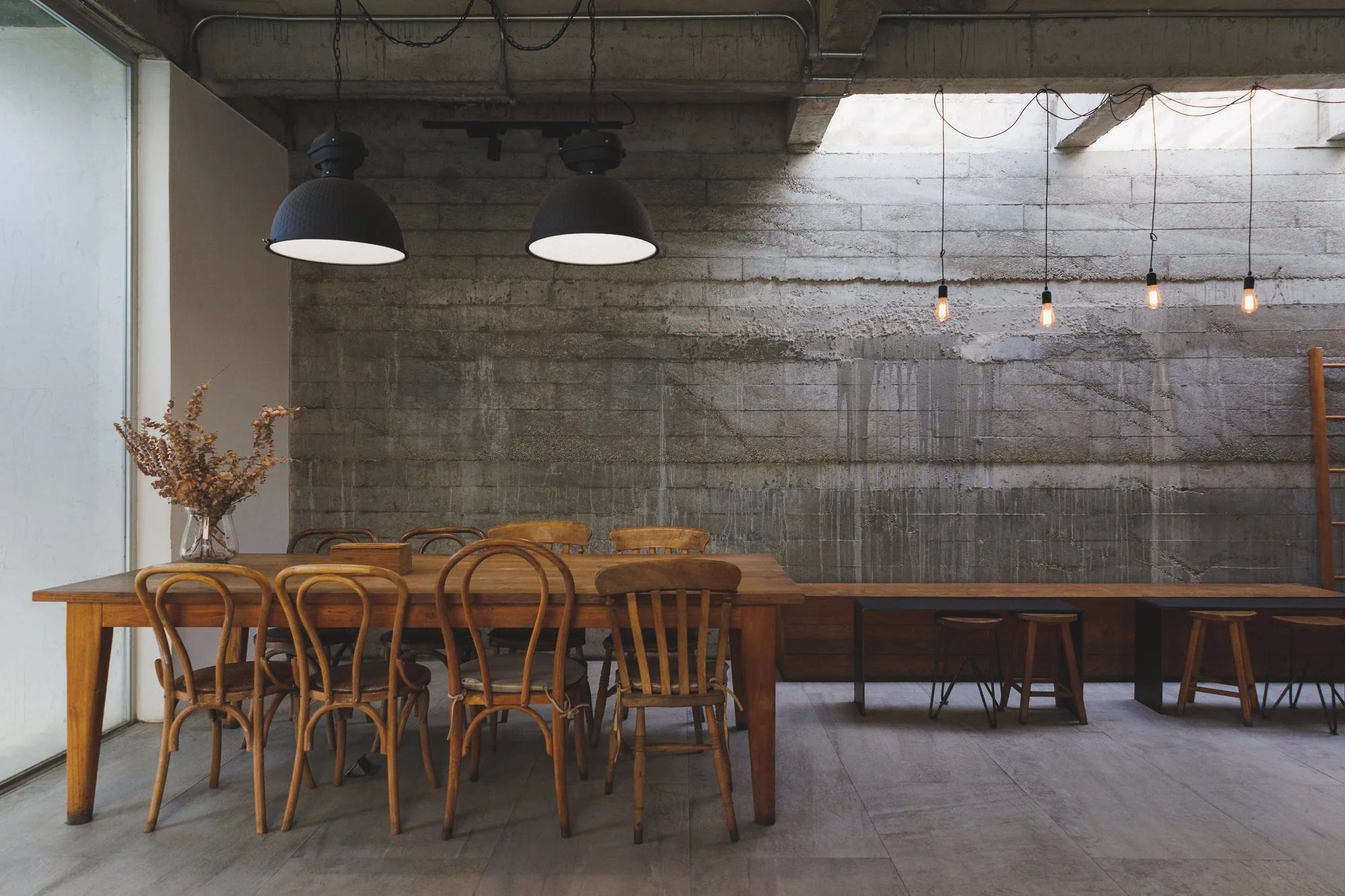
Over time, these inefficiencies translate directly into higher staffing costs and reduced service capacity — a problem often identified too late.
Poor Customer Flow Reduces Spend
When customers feel rushed, confused, or uncomfortable, they spend less and leave sooner. Poorly considered customer flow disrupts dwell time and purchasing behaviour.
Design mistakes that impact flow include:
Bottlenecks at entry points or ordering zones
Overcrowded seating layouts
Lack of visual clarity around where to go or what to do
As explored in how customer flow impacts dwell time and spend, intuitive movement is essential for revenue optimisation.
Overdesigning the Wrong Areas
Not every part of a venue deserves equal investment. Overdesigning low-impact areas while underinvesting in customer-facing moments is a common mistake.
This often looks like:
High-cost finishes in back-of-house areas
Feature elements are placed where customers barely notice
Budget constraints are limiting impact where it matters most
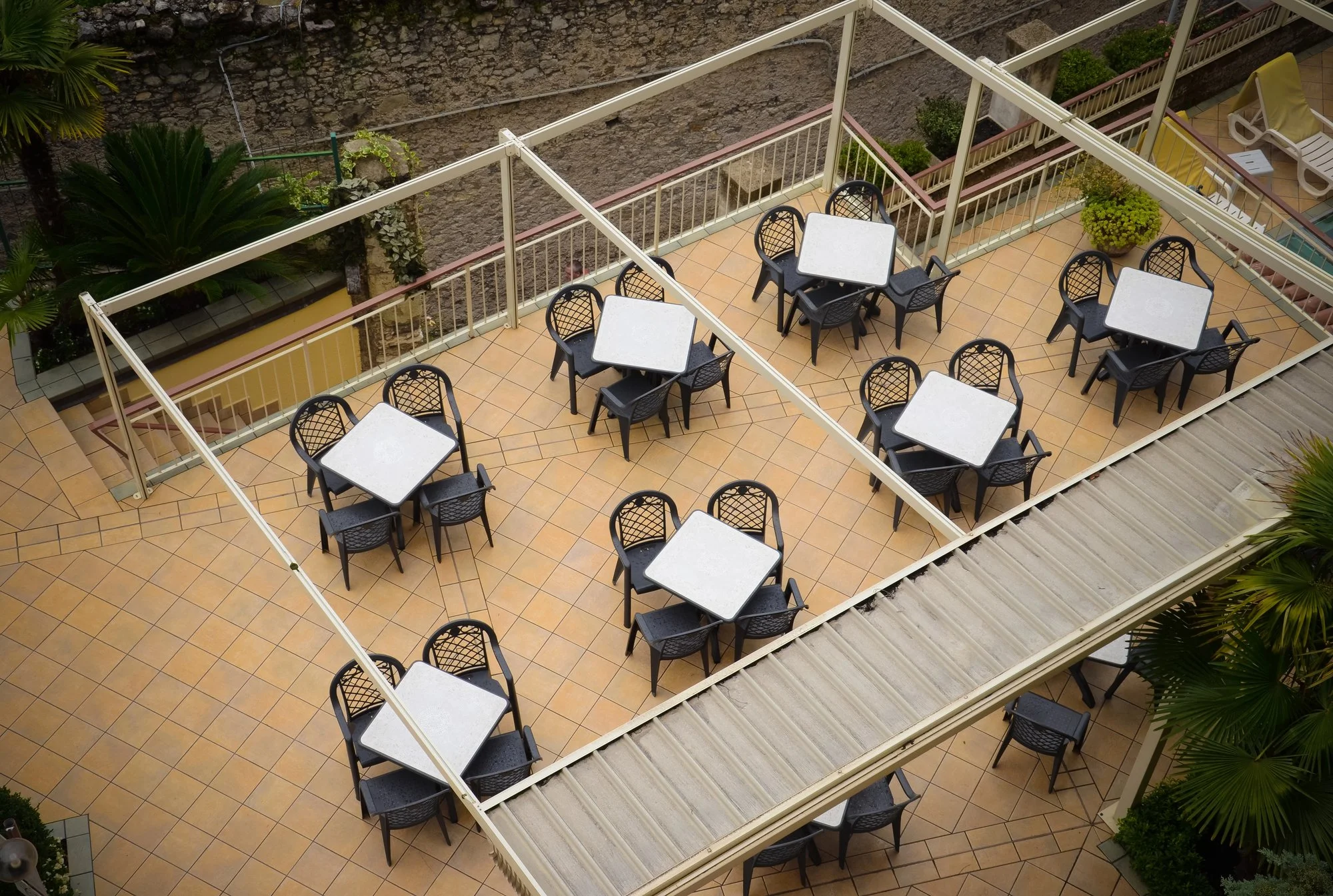
Strategic design prioritises visibility, experience, and return — not just visual drama.
Materials That Don’t Age Well
Choosing materials solely based on appearance can be costly in the long term. Surfaces that scratch, stain, or degrade quickly require frequent maintenance or replacement.
Poor material decisions lead to:
Ongoing repair and replacement costs
Declining perception of quality
Disruption to operations during fixes
As discussed inThe Surface Speaks, materials communicate value — but only if they endure.
Ignoring Acoustics and Comfort
A visually impressive venue that’s too loud, too bright, or physically uncomfortable discourages repeat visits. Guests may not articulate the issue, but their behaviour reflects it.
Common comfort-related mistakes include:
Hard surfaces without acoustic treatment
Lighting that’s too harsh or inconsistent
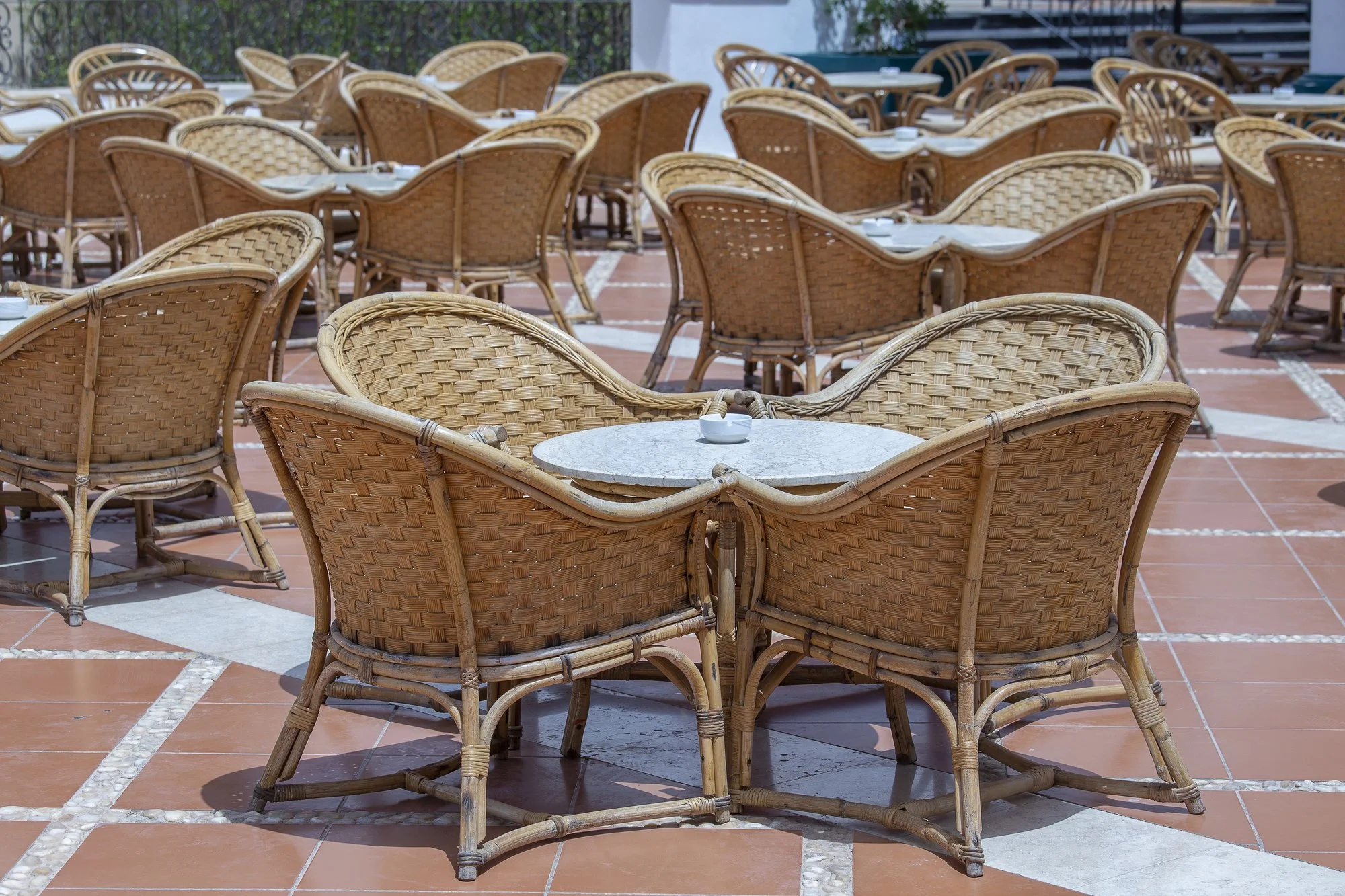
Seating that looks good but discourages long stays
Reduced dwell time directly impacts average spend per customer.
Inflexible Design Limits Future Revenue
Hospitality trends shift quickly. Venues designed without flexibility struggle to adapt to new menus, service styles, or customer expectations.
Inflexible design results in:
Costly refurbishments for minor changes
Missed opportunities for new revenue streams
Spaces that age faster than the brand
Designing for adaptability protects margins over the long term.
Branding That’s Too Literal
Overt branding and excessive signage can feel dated quickly and reduce perceived sophistication. Spaces that rely on logos rather than experience often struggle to build emotional connection.
As explored in the ways spaces communicate brand without signage, subtle, experience-led branding creates stronger, longer-lasting value.
Looking Ahead
The most damaging design mistakes aren’t dramatic failures — they’re quiet inefficiencies that compound over time. In hospitality, where margins are tight, design decisions must work as hard as the business itself.
Strategic design protects profit by supporting operations, enhancing experience, and allowing spaces to evolve.
Final Thought
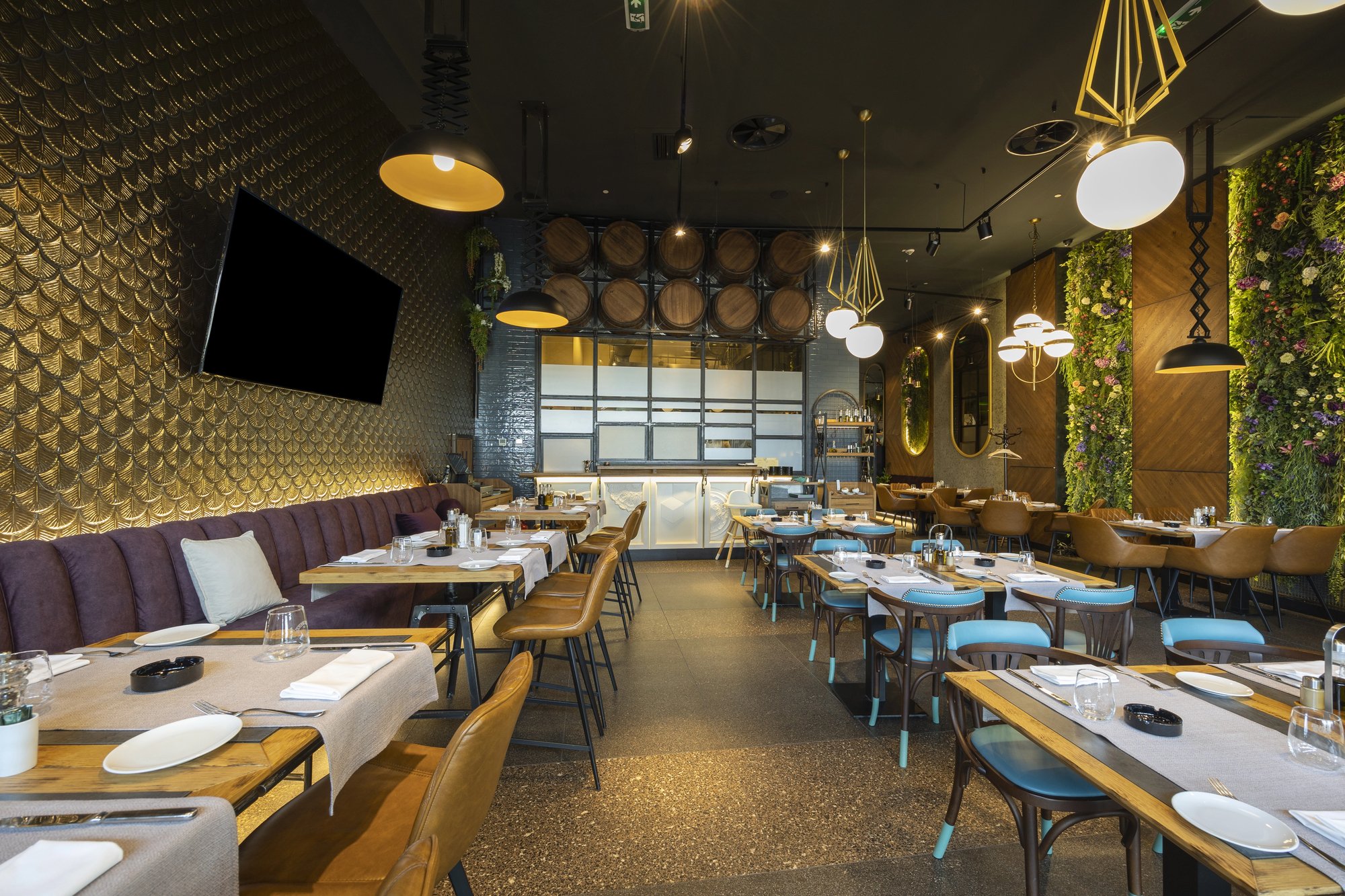
Design should never be the reason profits suffer. When done well, it becomes one of the strongest tools for protecting margins and driving performance.
At Vie Studio, we design hospitality spaces that:
Support operational efficiency
Increase dwell time and customer spend
Avoid costly design decisions that limit growth
📩 Planning a new venue or reviewing an underperforming one?
Let’s identify the design decisions that should be helping your margins, not hurting them.
