
A strong brand doesn’t need to announce itself. In well-designed spaces, identity is felt before it is read. Through materials, layout, lighting, and spatial rhythm, interiors can communicate brand values instinctively — without relying on logos or signage. This form of silent branding creates environments that feel confident, immersive, and emotionally resonant.
Beyond Logos and Graphics
While signage plays a functional role, overreliance on logos can dilute impact. The most memorable spaces express brand through experience rather than instruction. Customers should sense where they are, and what the brand stands for, the moment they enter.

Brand-led spaces achieve this by embedding identity into the architecture itself, allowing design to speak naturally and intuitively.
Materiality as Brand Language
Materials are one of the most powerful tools for non-verbal branding. Texture, weight, and finish communicate quality, mood, and intent.
Natural materials signal authenticity and care
Refined finishes suggest precision and craftsmanship
Raw or tactile surfaces express energy, honesty, or experimentation
As explored in The Surface Speaks, materials act as a narrative device, shaping perception without a single word.
Spatial Planning and Brand Behaviour
How a space is laid out influences how people behave, and how they perceive a brand. Spatial decisions subtly communicate priorities and values.
Open, fluid layouts suggest accessibility and openness
Defined zones create clarity, structure, and confidence
Intimate spaces foster connection and trust
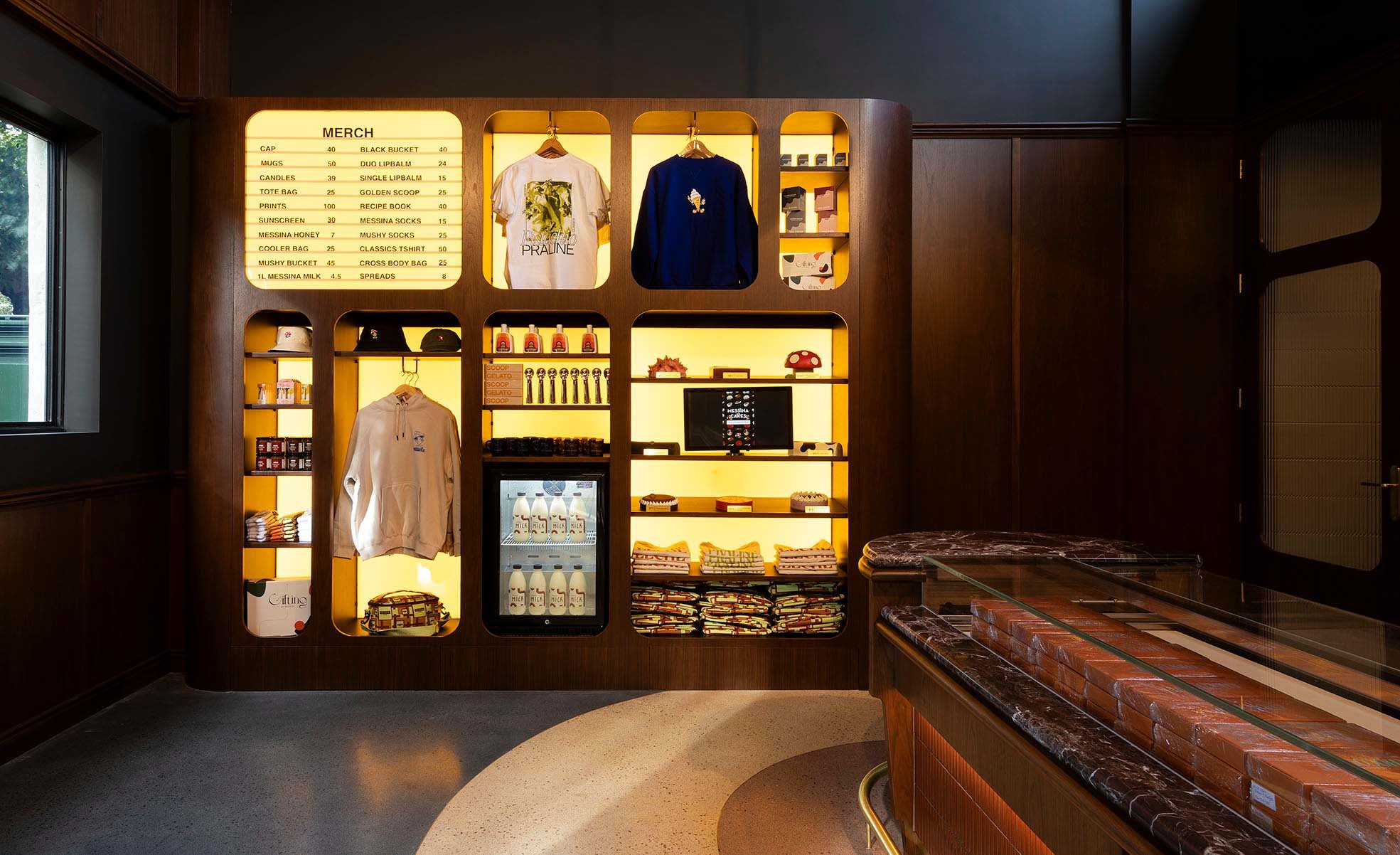
These principles align with experience-led planning discussed in how customer flow impacts dwell time and spend, where layout shapes engagement and comfort.
Lighting as Emotional Cue
Lighting plays a critical role in shaping brand atmosphere. It directs focus, sets mood, and defines energy levels.
Warm, low lighting encourages calm and intimacy
Bright, even lighting communicates efficiency and clarity
Accent lighting highlights moments of importance
When lighting aligns with brand intent, it reinforces identity subconsciously, guiding how the space is felt rather than seen.
Colour, Rhythm, and Repetition
Consistent use of colour and form creates recognition without explicit branding. Repetition builds familiarity, while restraint signals confidence.
Limited palettes strengthen cohesion
Repeated forms establish visual rhythm
Contrast is used deliberately, not decoratively

This approach mirrors how brands stay consistent across locations, relying on systems rather than surface-level branding.
Designing Moments, Not Messages
Memorable brands create moments. These might be a threshold, a focal point, or a change in scale or texture that anchors the experience.
Entry sequences that set tone immediately
Spatial pauses that invite reflection or interaction
Feature elements that become brand signatures
These moments allow customers to feel the brand rather than read it, reinforcing emotional connection.
Looking Ahead
As consumers become more design-aware, subtlety matters. Spaces that rely less on signage and more on experience feel more confident, considered, and timeless.
Design-led branding doesn’t shout. It resonates. When brand identity is embedded into space, it becomes inseparable from the experience itself.

Final Thought
Communicating brand without signage is about clarity, restraint, and intention. It’s about trusting design to do the talking.
At Vie Studio, we design spaces that:
Express brand through material and form
Communicate values without visual noise
Create immersive experiences that feel instinctive
📩 Designing a space where brand needs to be felt, not labelled?
Let’s create an environment that speaks for itself.
