How Customer Flow Impacts Dwell Time and Spend
In retail and hospitality, interior design doesn’t just shape how a space looks. It shapes how it performs. From how people enter to how long they stay, customer flow plays a powerful role in driving engagement, dwell time, and ultimately, spend.
At Vie Studio, we design spaces that move people, intuitively and intentionally, aligning behaviour with commercial outcomes.
What Is Customer Flow?
Customer flow refers to the way people move through a space, guided by layout, sightlines, and spatial cues. When well-designed, flow feels natural. Customers linger, explore, and engage. When it’s not, they rush, hesitate, or disconnect.
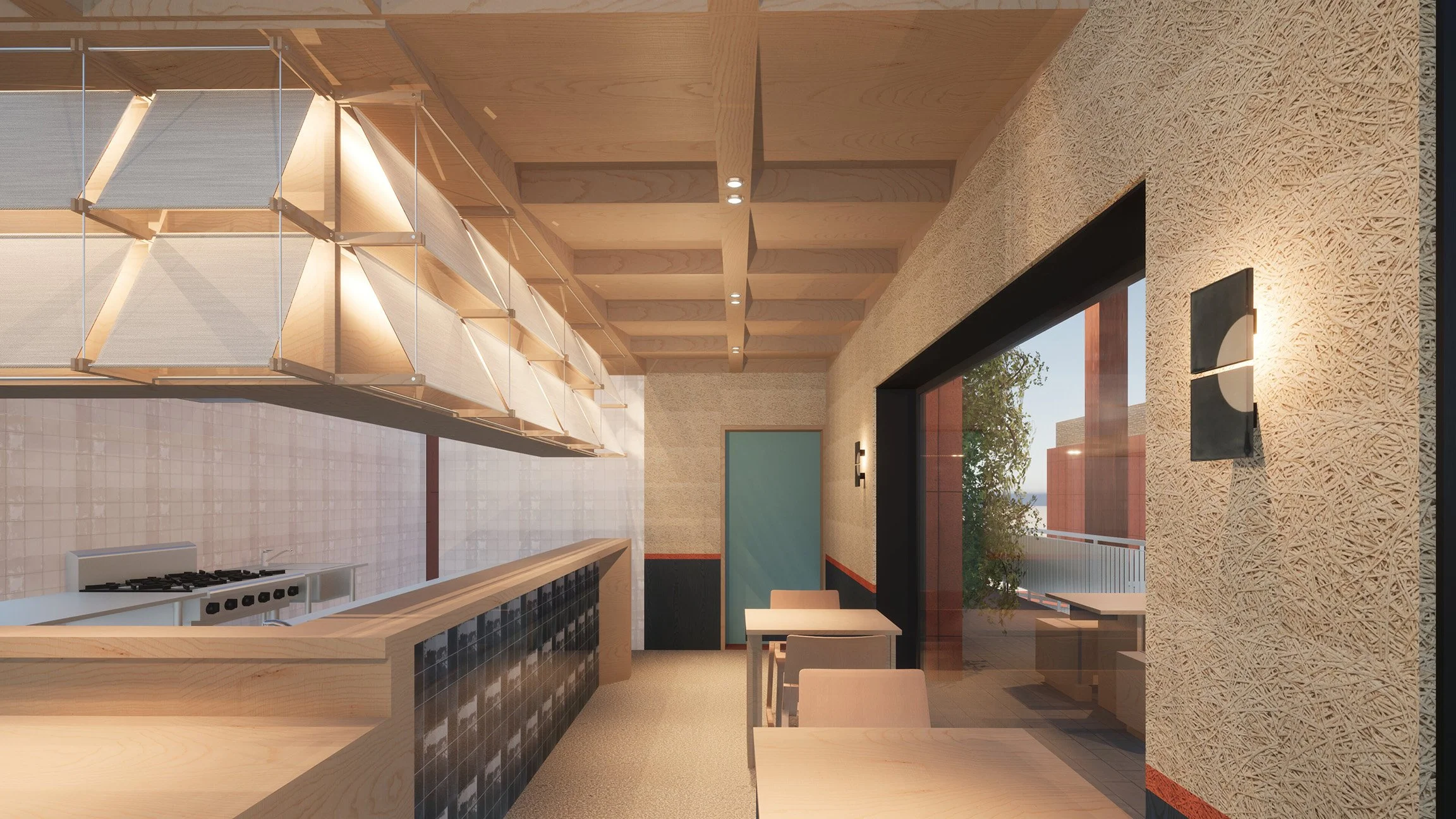
Strategic flow design:
Reduces confusion and crowding
Encourages exploration without pressure
Supports a more confident and relaxed experience
It’s one of the most understated tools in experience-led design, quietly shaping outcomes without explicit instruction.
Flow Increases Dwell Time
Customers stay longer when they feel at ease in a space. Poorly structured flow introduces friction, from unclear entries to tight bottlenecks — which can shorten visits and reduce spend.
Effective flow planning creates:
Clear entry points that instantly orient
Intuitive pathways that guide movement
Moments to pause via visual anchors or seating
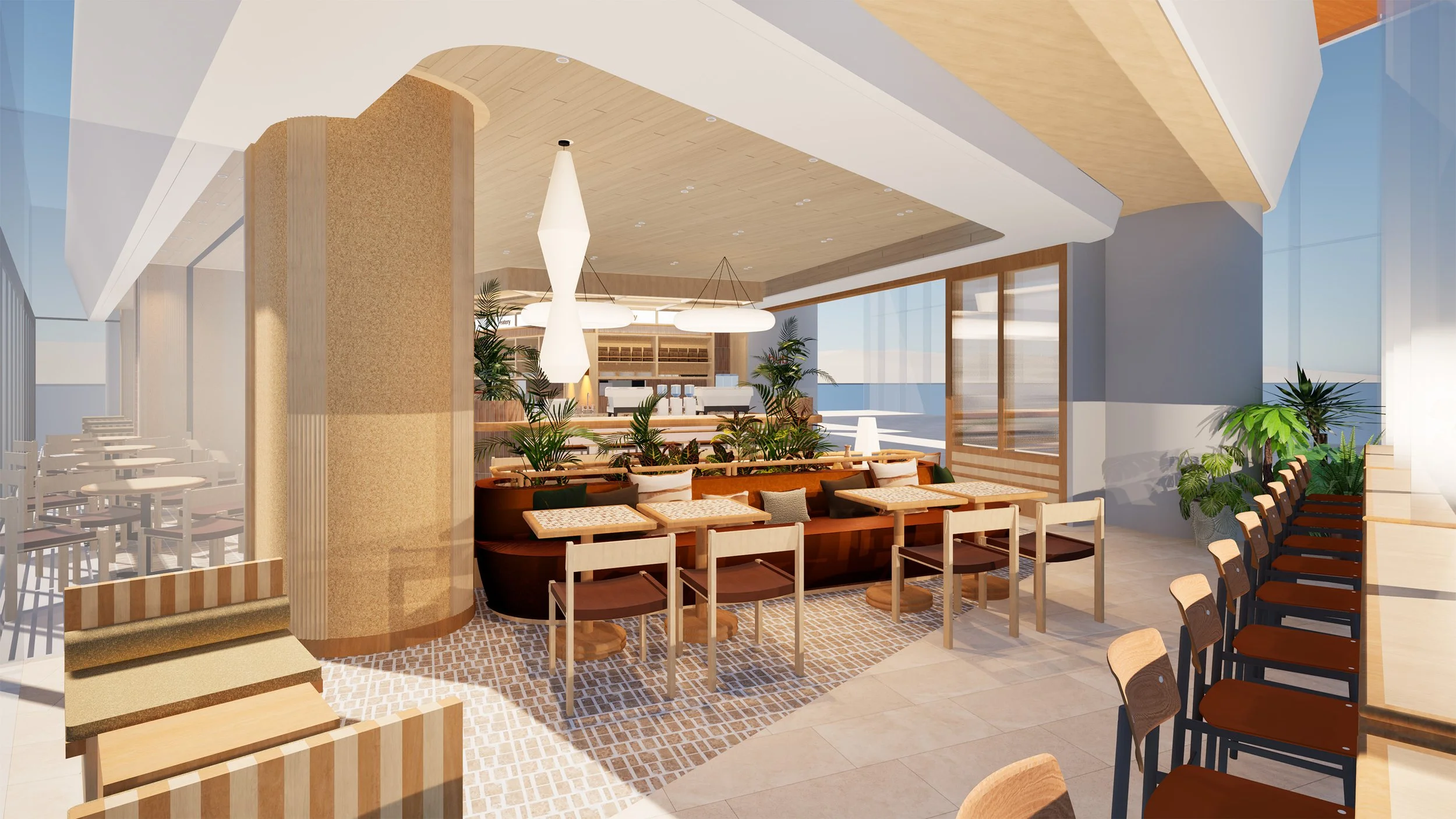
This aligns with our approach to zoning, balancing calm and energy to create environments that invite people to stay.
Movement Drives Spend
The link between flow and profitability is well-documented: the longer people stay, the more likely they are to browse, engage, and purchase.
Smart flow design:
Maximises product visibility through guided circulation
Encourages decision-making with logical zoning
Reduces tension, boosting purchase confidence
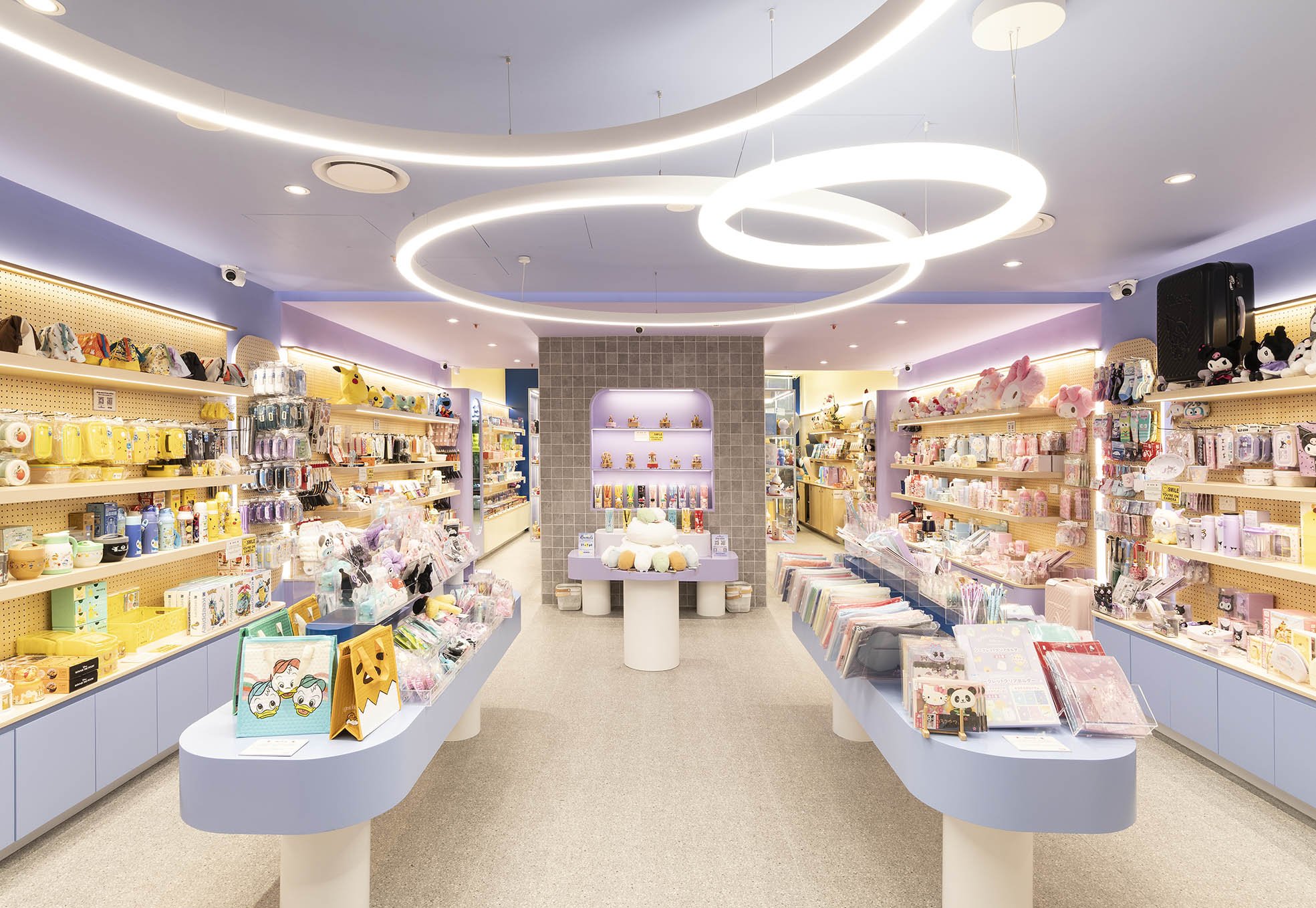
In hospitality, intuitive layouts also support smoother service and repeat ordering, enhancing both guest satisfaction and back-of-house efficiency.
Zoning for Movement
Zoning is one of the most powerful ways to guide customer flow without restriction. It signals intent and function, creating micro-experiences within the larger space.
Zoning strategies we apply include:
Distinct transitions between entry, service, and seating
Visual hierarchy to guide attention
Rhythm in layout, alternating moments of energy and calm

When customers can clearly understand where to go and what to do, they spend less time deciding and more time engaging.
Visibility and Sightlines
Customers are more likely to move toward what they can see. That’s why clear sightlines are crucial. They build trust and reduce hesitation.
We design sightlines to:
Encourage forward movement
Create focus points that slow and anchor attention
Offer glimpses of what’s ahead to entice exploration

Materials, lighting, and framing are tools we use to shape these visual moments and influence customer decisions naturally.
Removing Friction
Flow friction can undermine even the most beautifully designed space. We consistently audit for common pressure points, including:
Bottlenecks at entrances or pick-up stations
Overcrowded service zones
Disconnection between front- and back-of-house areas

A seamless space supports everyone. Customers move freely, and staff operate efficiently.
Looking Ahead
As customer expectations evolve, flow will continue to be a competitive edge. The spaces that perform best aren’t just aesthetically refined. They’re strategically choreographed.
Flow design isn’t about control. It’s about clarity and when people feel free to move, they stay longer, return more often, and contribute more value.
Final Thought
Customer flow is one of the most influential, yet overlooked, drivers of dwell time and spend. When designed with care, it becomes a silent partner in your business performance.
At Vie Studio, we:
Shape movement through zoning and layout
Reduce friction to enhance comfort and engagement
Support commercial goals through spatial design
📩 Planning a retail or hospitality space where experience matters?
