
How Brands Stay Consistent Across Multiple Locations
Your first venue works. So when it's time to open the second, the instinct is obvious — do it again. Same look, same layout, same everything that worked the first time.
That instinct is half right.
The short version: keep the brand the same and let the space change. The things a customer recognises — your identity, your personality, the feeling they've come to know — should stay constant across every location. The floor plan should adapt to each site. Copying both is what makes a second venue feel slightly off without anyone being able to say why.
Here's how to tell the two apart.

Why Does Brand Consistency Matter When You Dcale?
Because recognition is what turns two venues into one brand instead of two strangers. When a customer walks into your second location and it feels like your first — same character, same quality, same sense of who you are — they trust it before they've ordered anything. When it doesn't, you have to earn that trust again from scratch.
That recognition is built as much by the space as by the logo. A room can say "this is the same brand" faster than any sign. It's the same idea behind a strong brand identity—consistency lets a brand grow without diluting.
What Should Stay the Same Across Every Location?
The parts a customer would notice if they went missing. These are the anchors, and they shouldn't change from site to site:
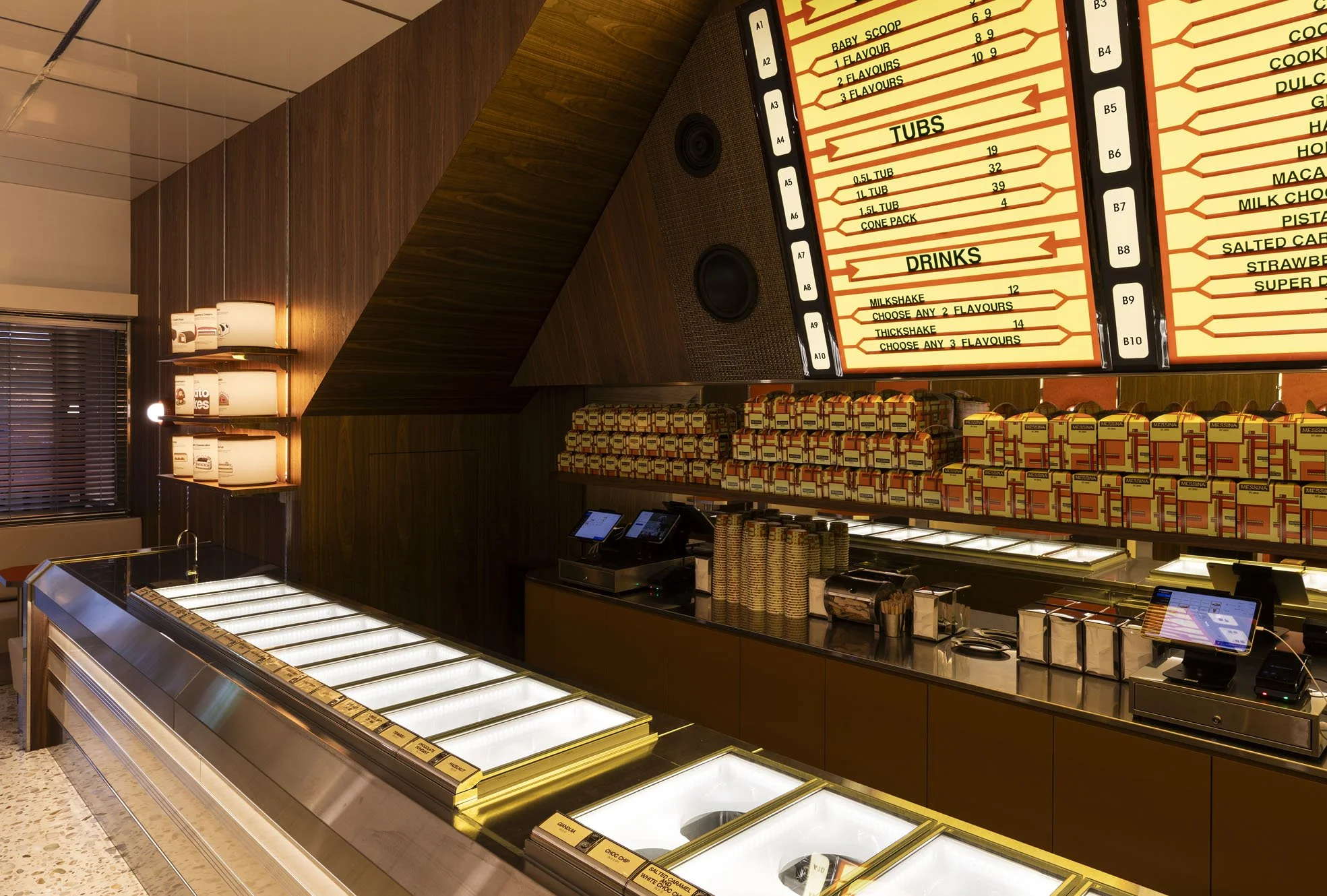
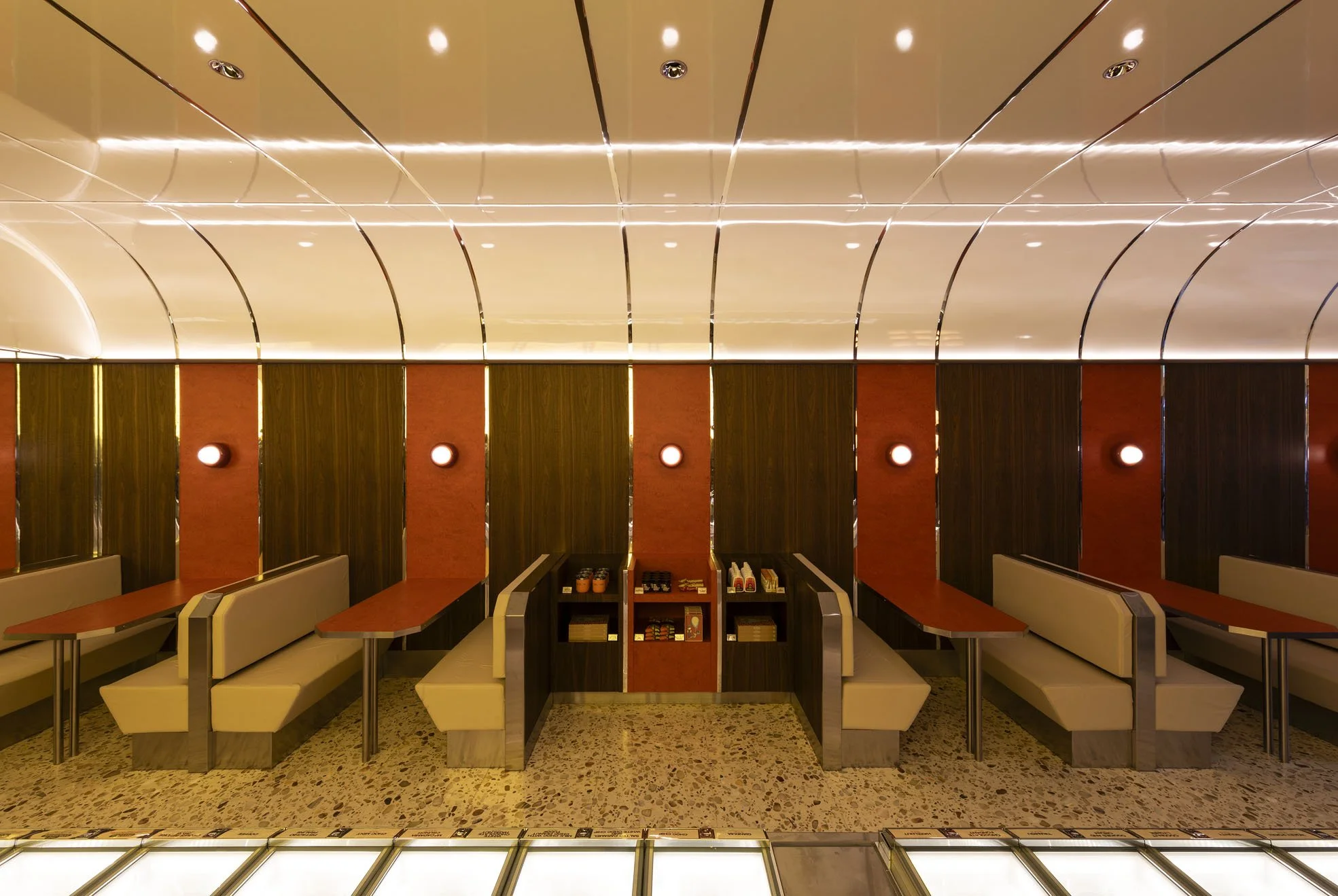
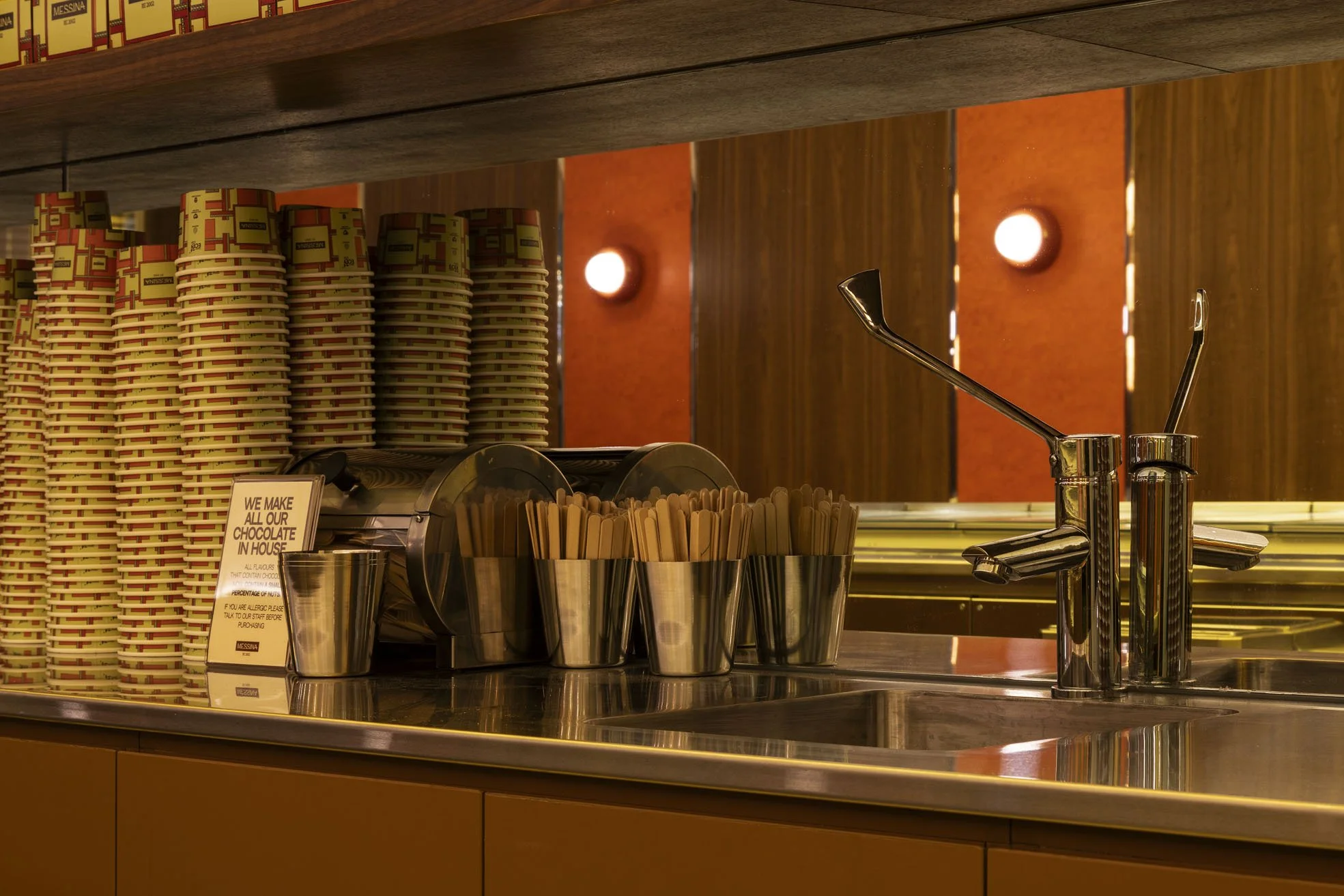
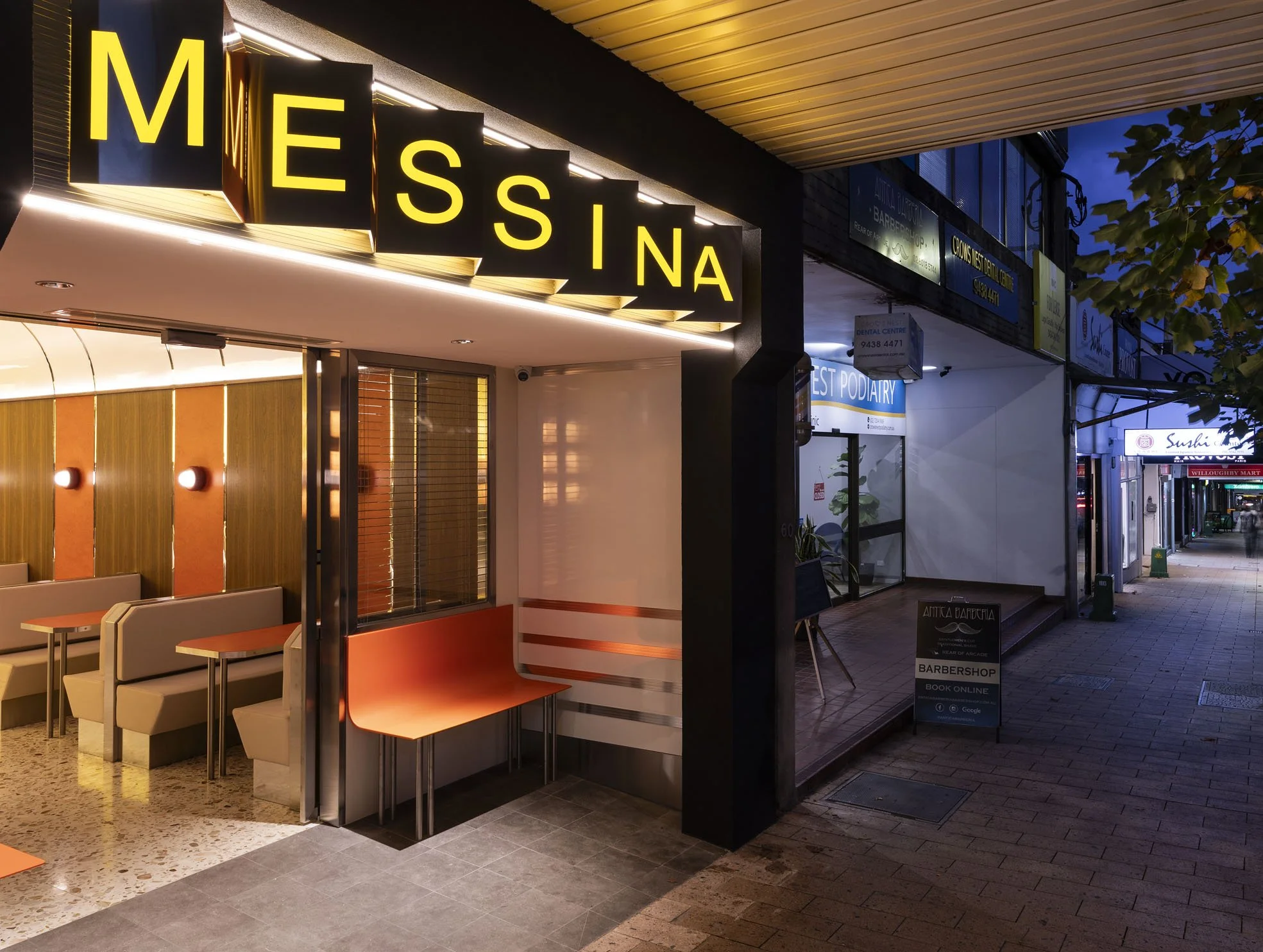
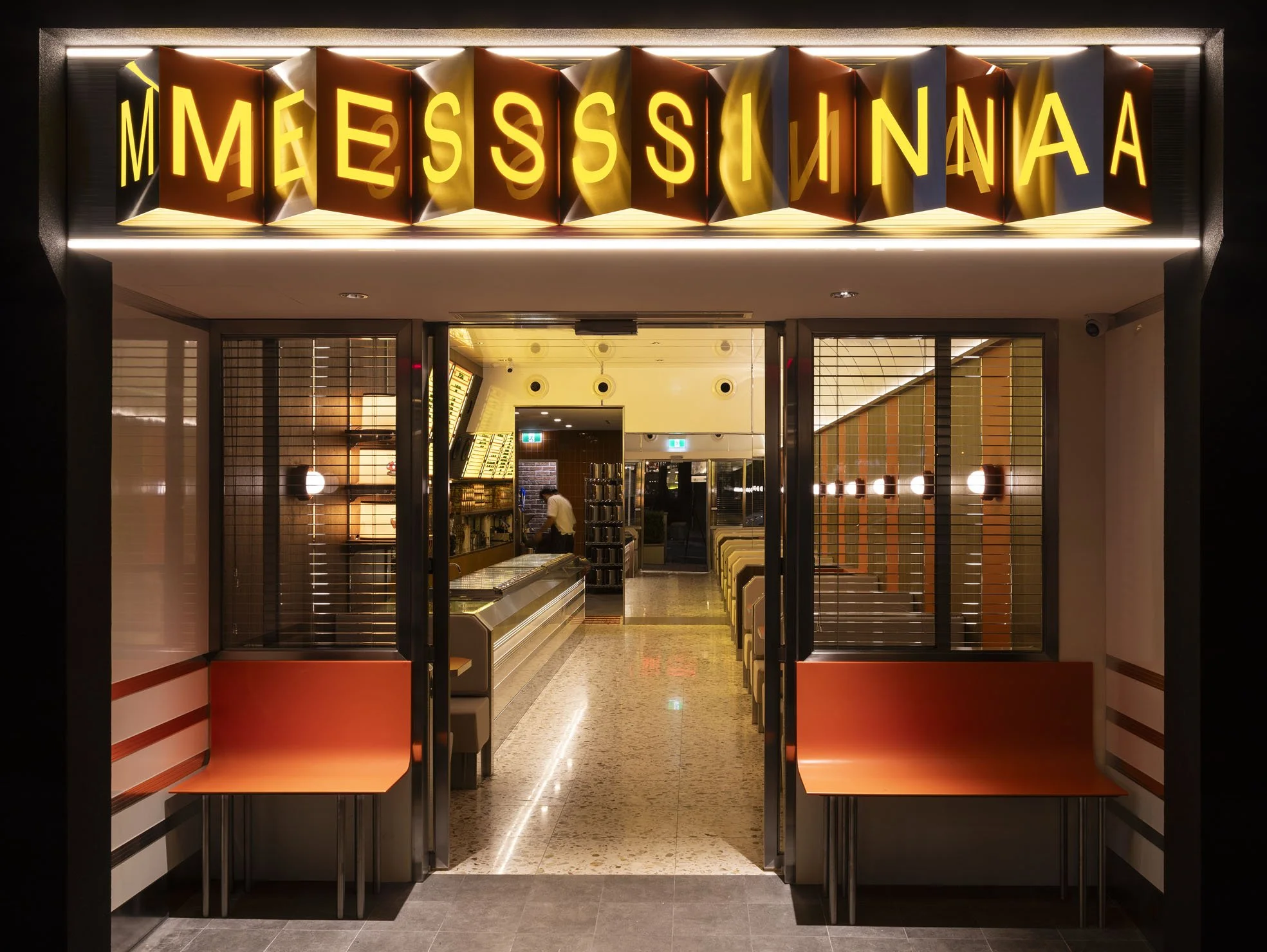
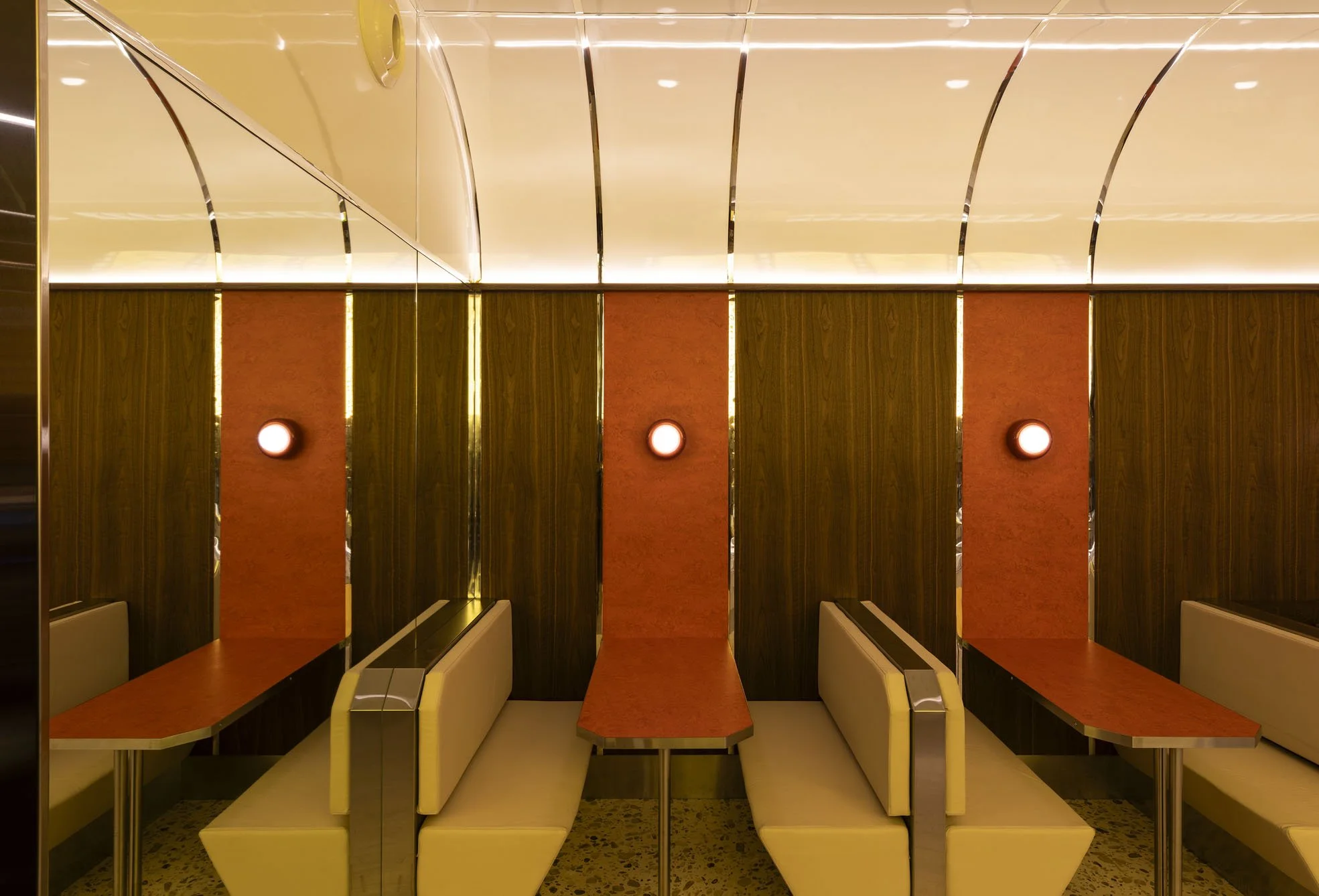
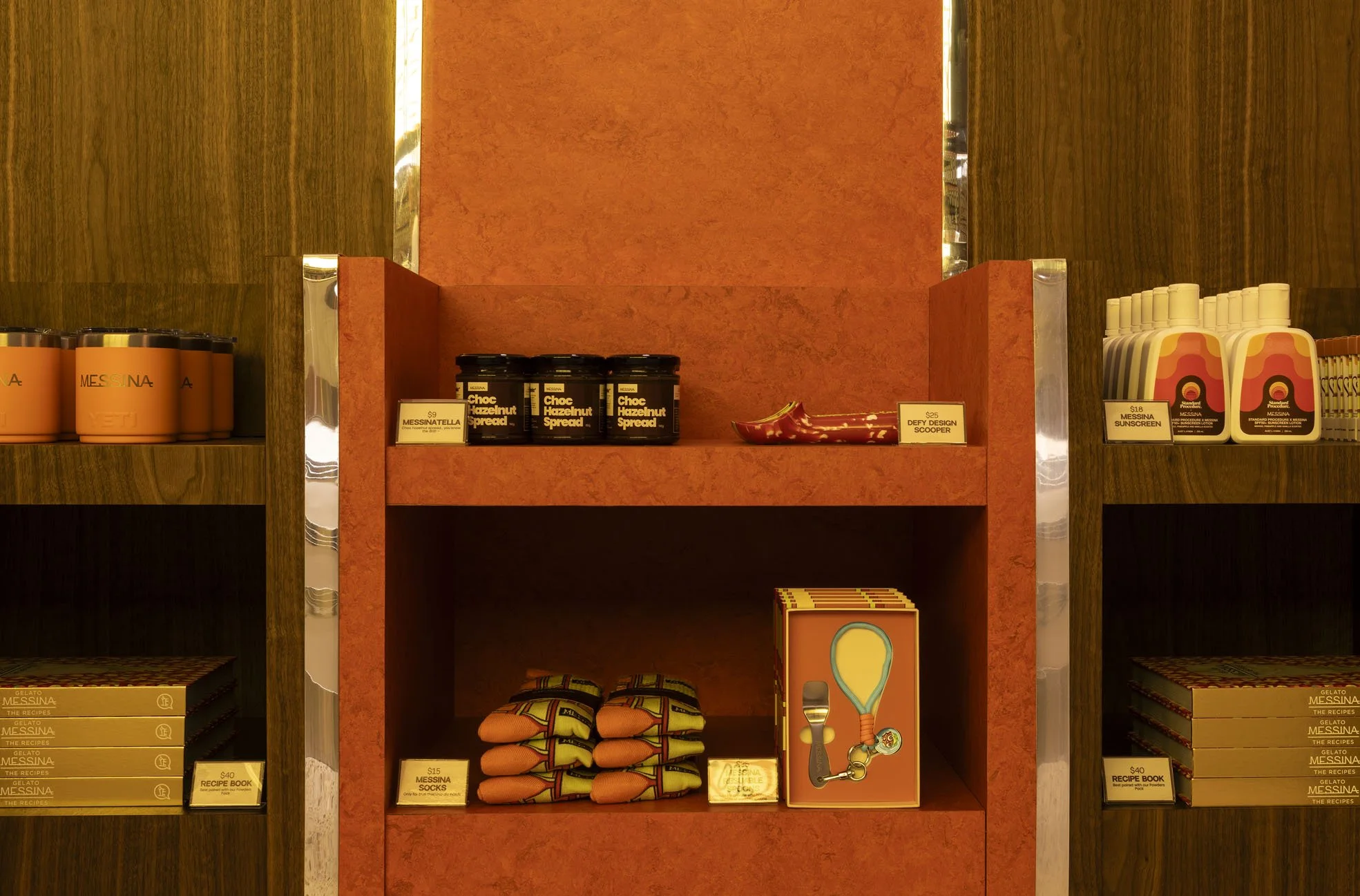
Your look — the colours, materials and finishes that make the space feel like yours
Your signature moment — the one feature people photograph and remember
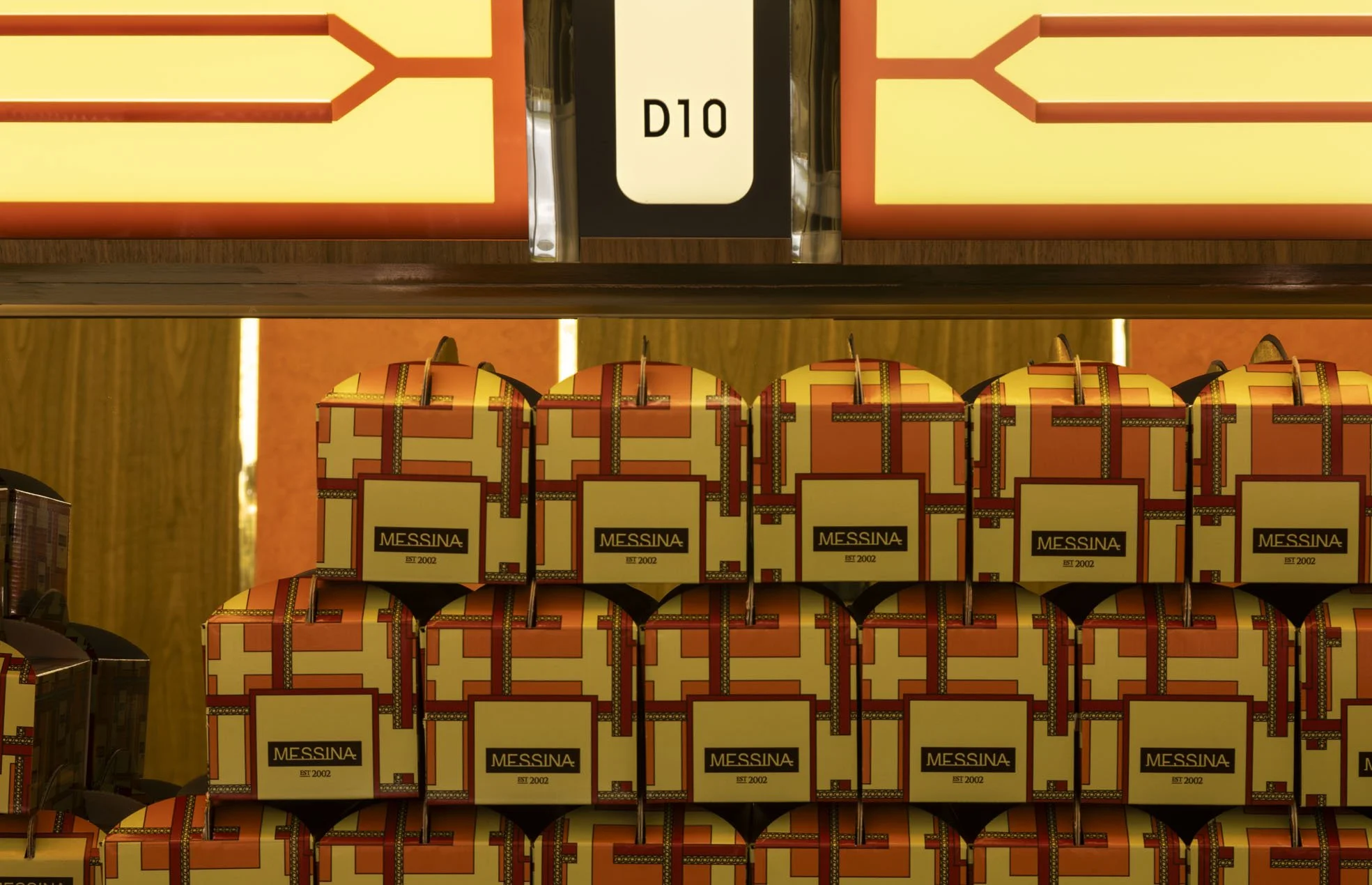
Your signage and type — so the brand reads the same on the street and inside
Get these right and a venue feels familiar the moment someone walks in, even when the room is a completely different shape.
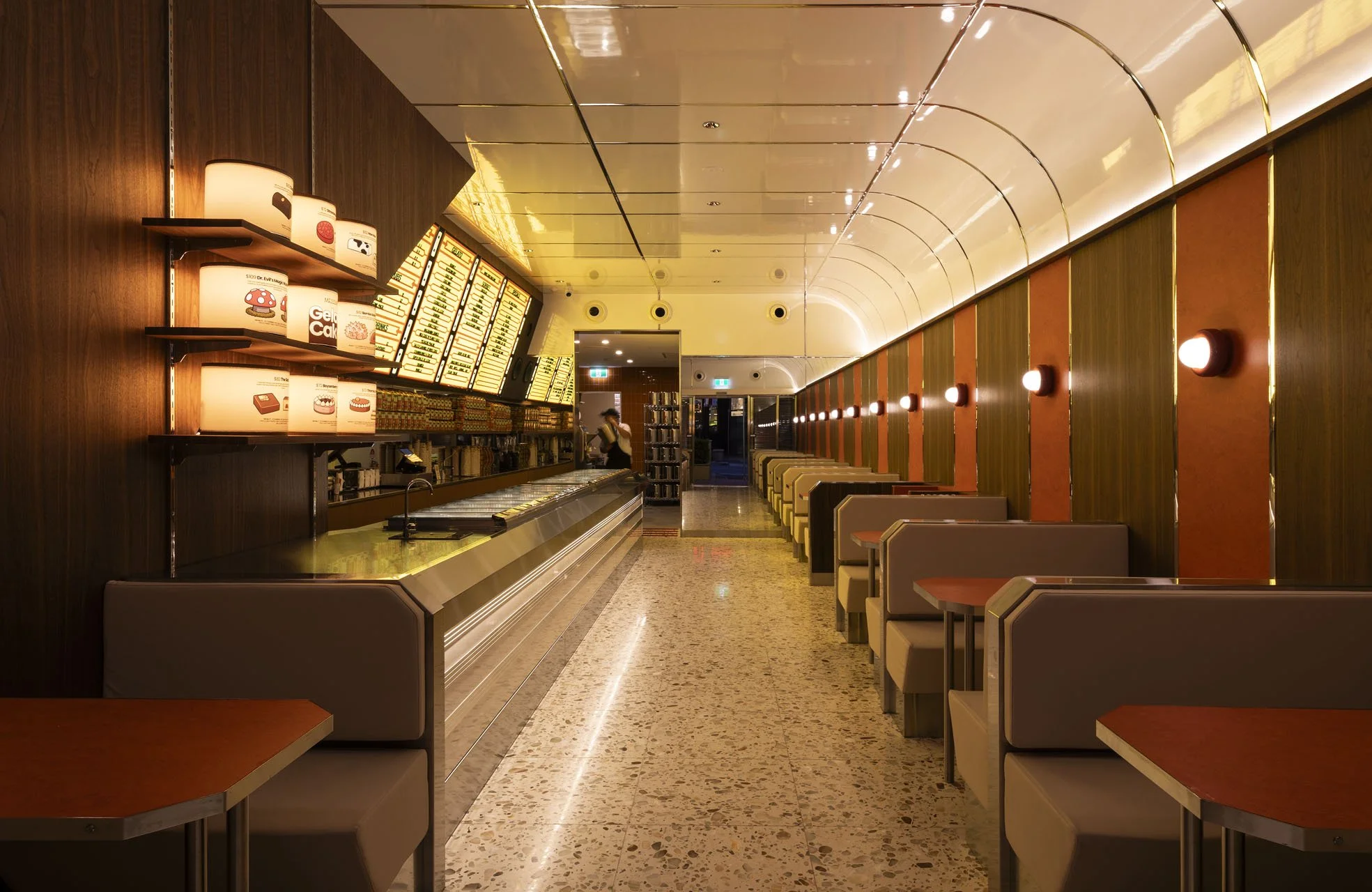
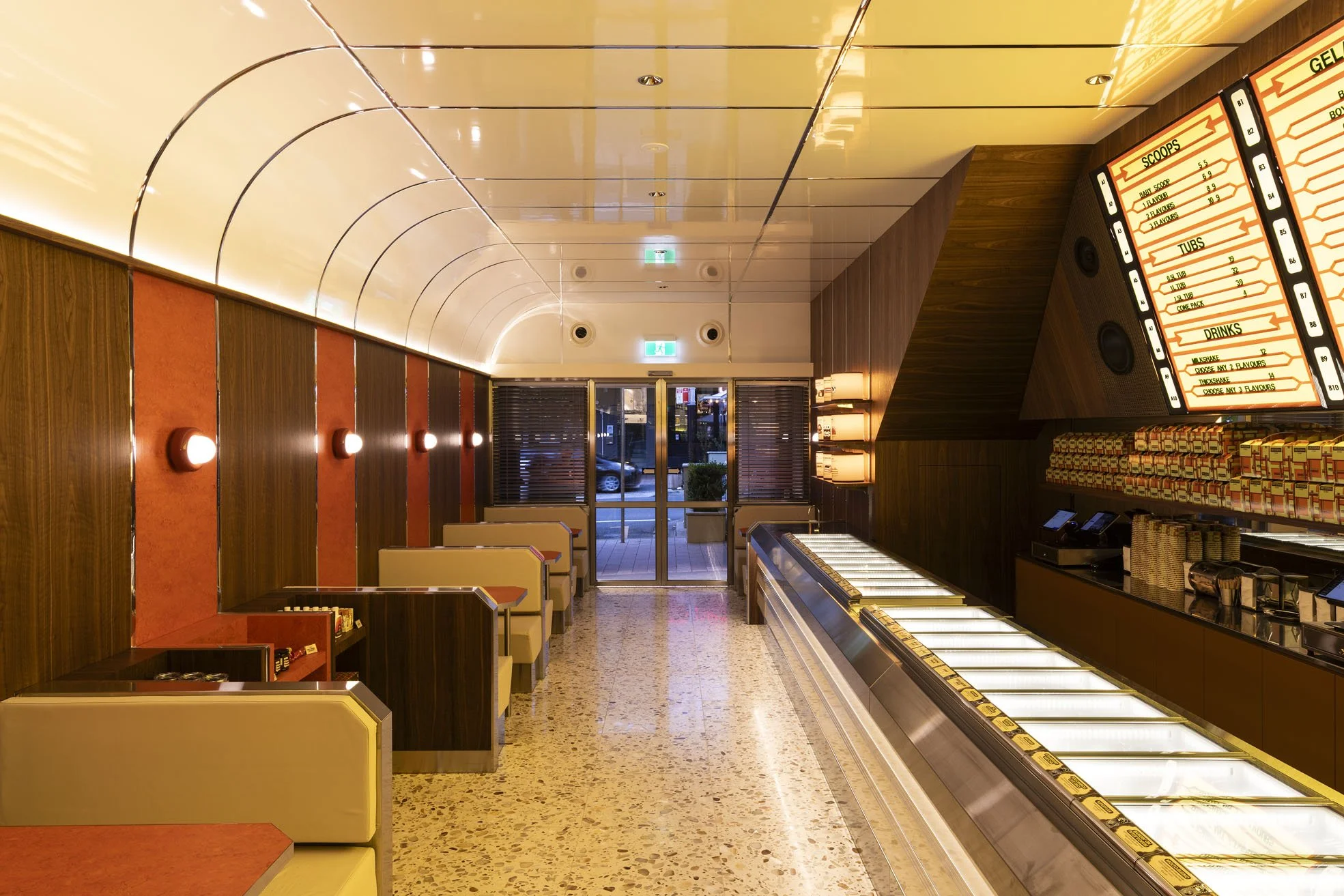
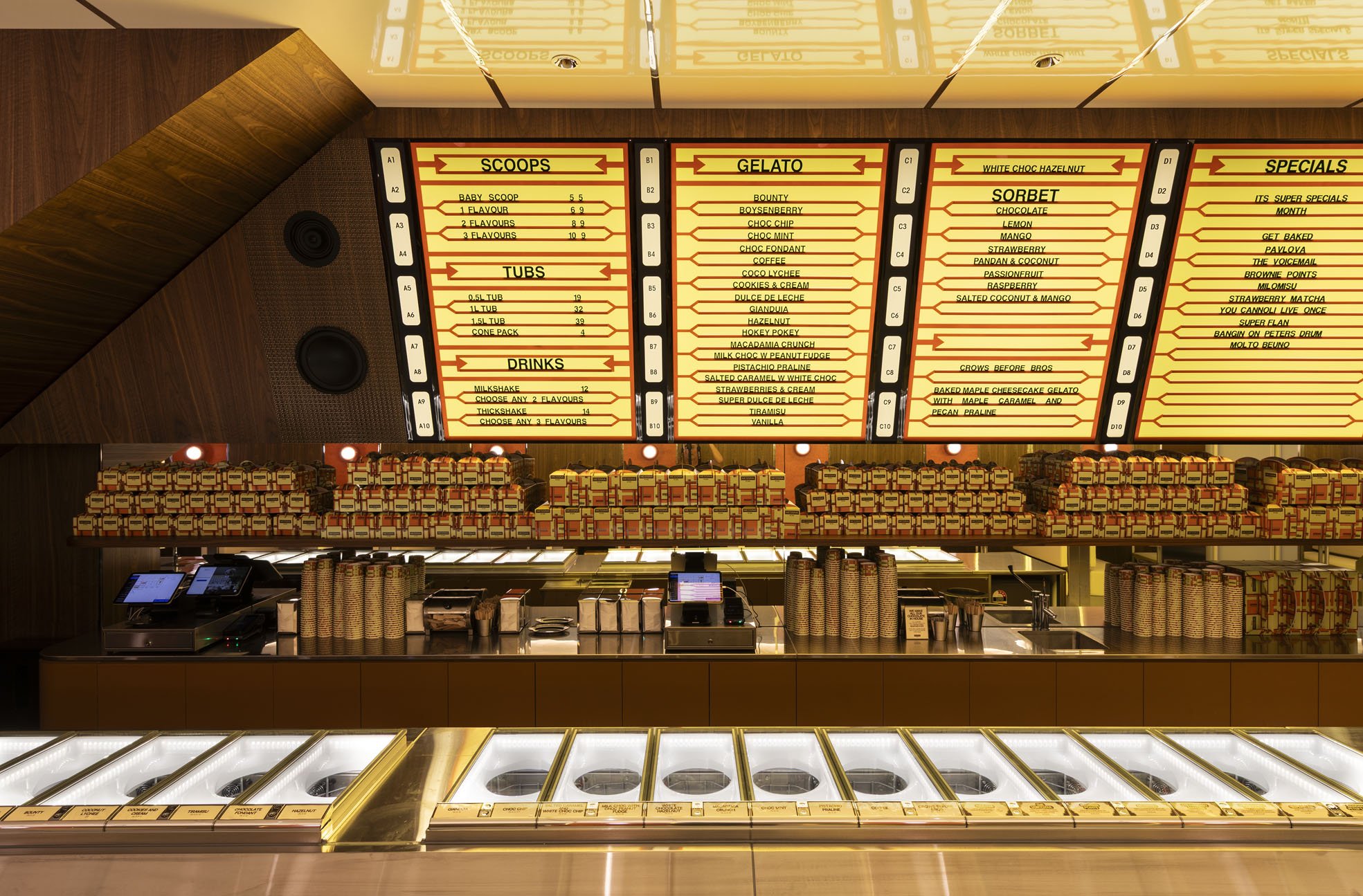
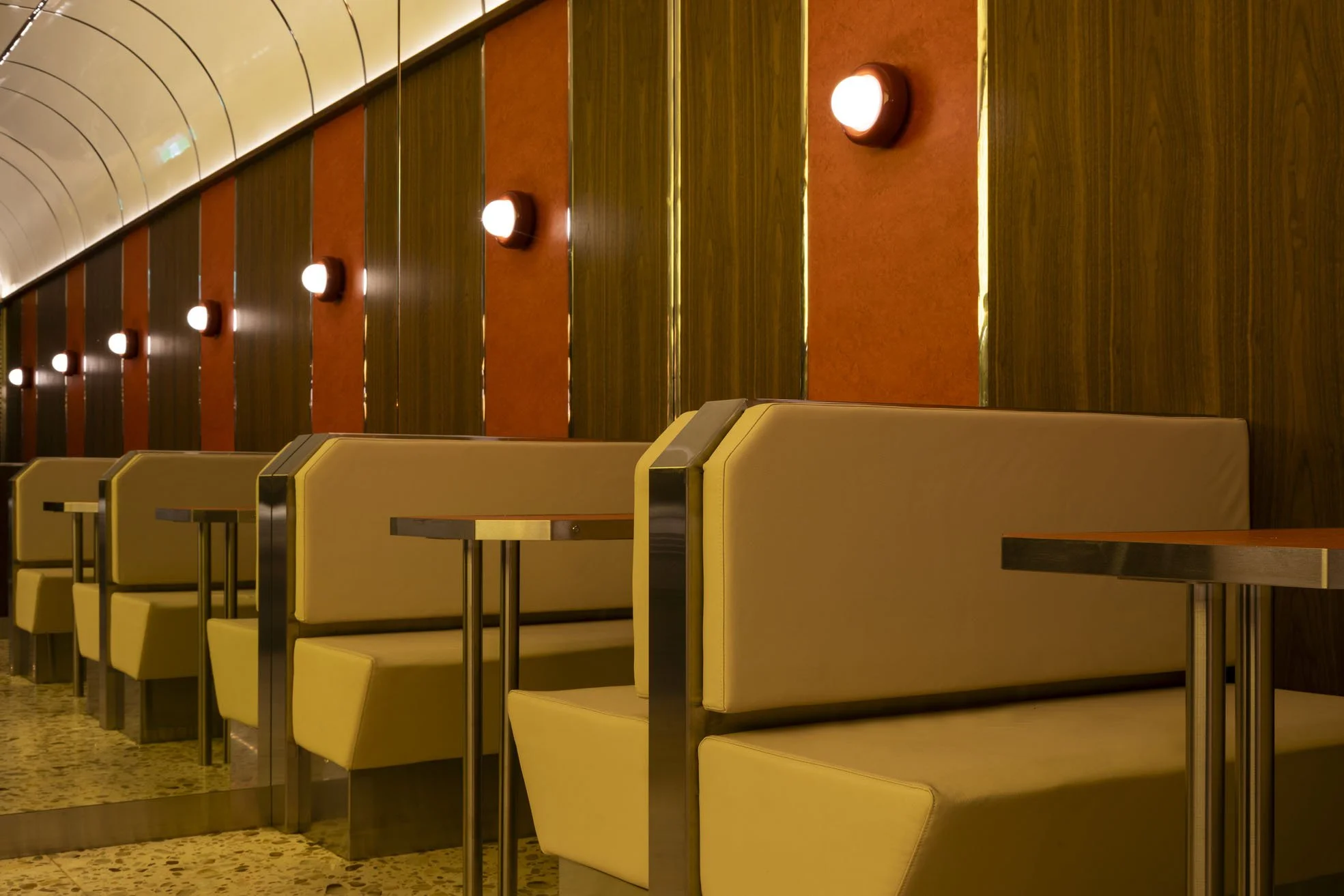
What Should Change From One Location to the Next?
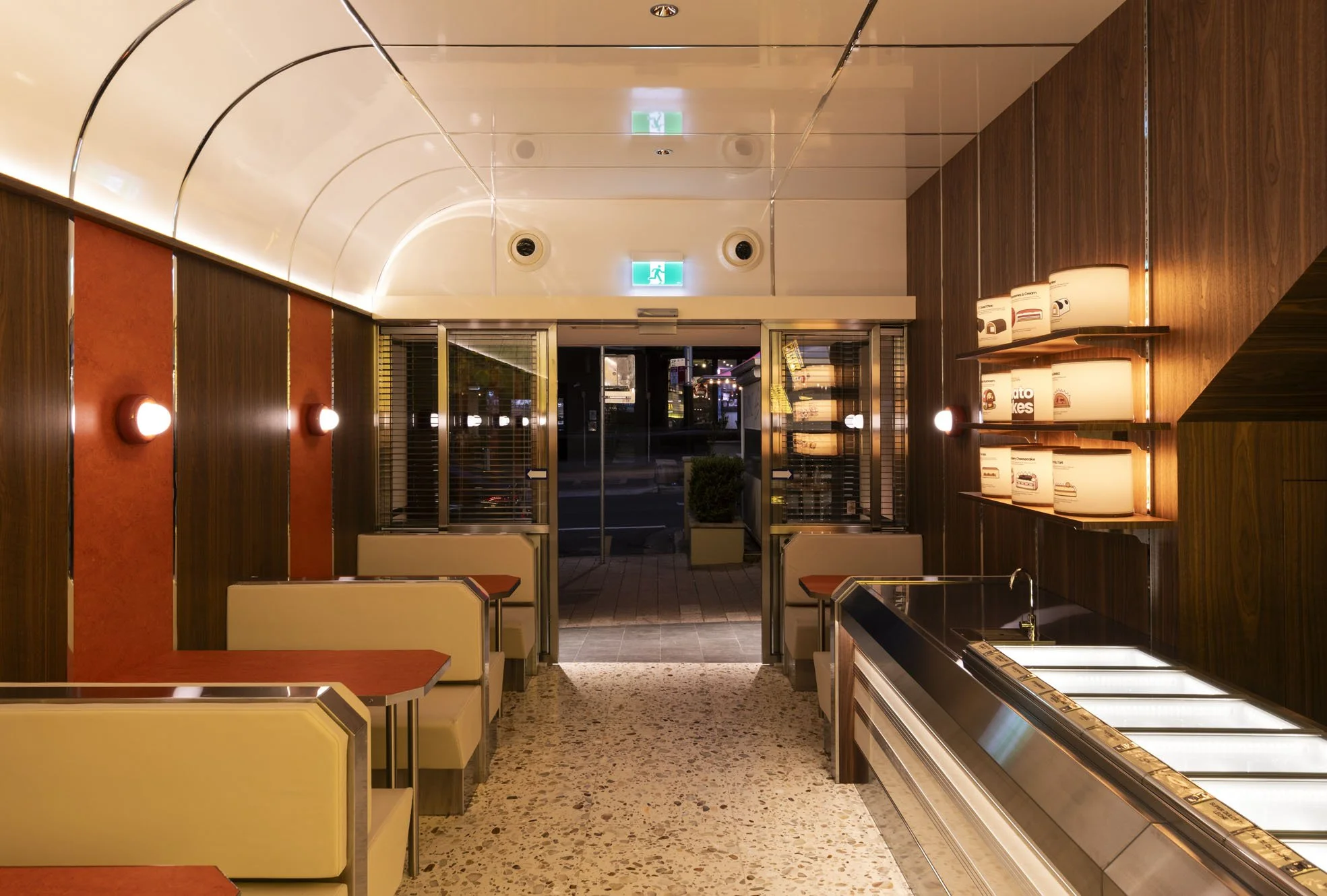
The layout. Almost always. The second site is a different shape, on a different street, with a different crowd walking past. A floor plan that worked perfectly in the first space can quietly fail in the second — the queue lands in the wrong spot, the seating doesn't suit who actually turns up, the flow that felt effortless now fights the room.
Adapting the plan to the site isn't a compromise on the brand. It's what keeps each venue working where it actually is. The brand stays recognisable; the space earns its keep. That's the difference between a location that feels purposeful and one that feels like a copy dropped into the wrong building.
How Do You Keep the Experience Consistent When the Layout Changes?
By keeping the logic the same even when the plan isn't. A customer should be able to walk into any of your venues and use it without relearning it — order in the same kind of place, find their seat the same way, move through without thinking about it.
That's true behind the counter too. When your team can work the same way in every venue, service stays sharp and the experience stays even — which is what customers actually feel, whether they can name it or not. It's a big part of how customer flow shapes dwell time and spend, and how good interior design drives revenue in hospitality.

Write the Rules Down
While it's one or two venues, the brand lives in your head. By the third, it can't. As you grow, the things that keep you consistent — the materials, the finishes, the signage, the fixtures — need to be written down, so the next builder and the next fit-out get it right without you standing over them.
A short set of guidelines turns consistency from something you have to police into something that just happens. It's the difference between scaling smoothly and re-deciding everything, every time.
Seeing it in Practice
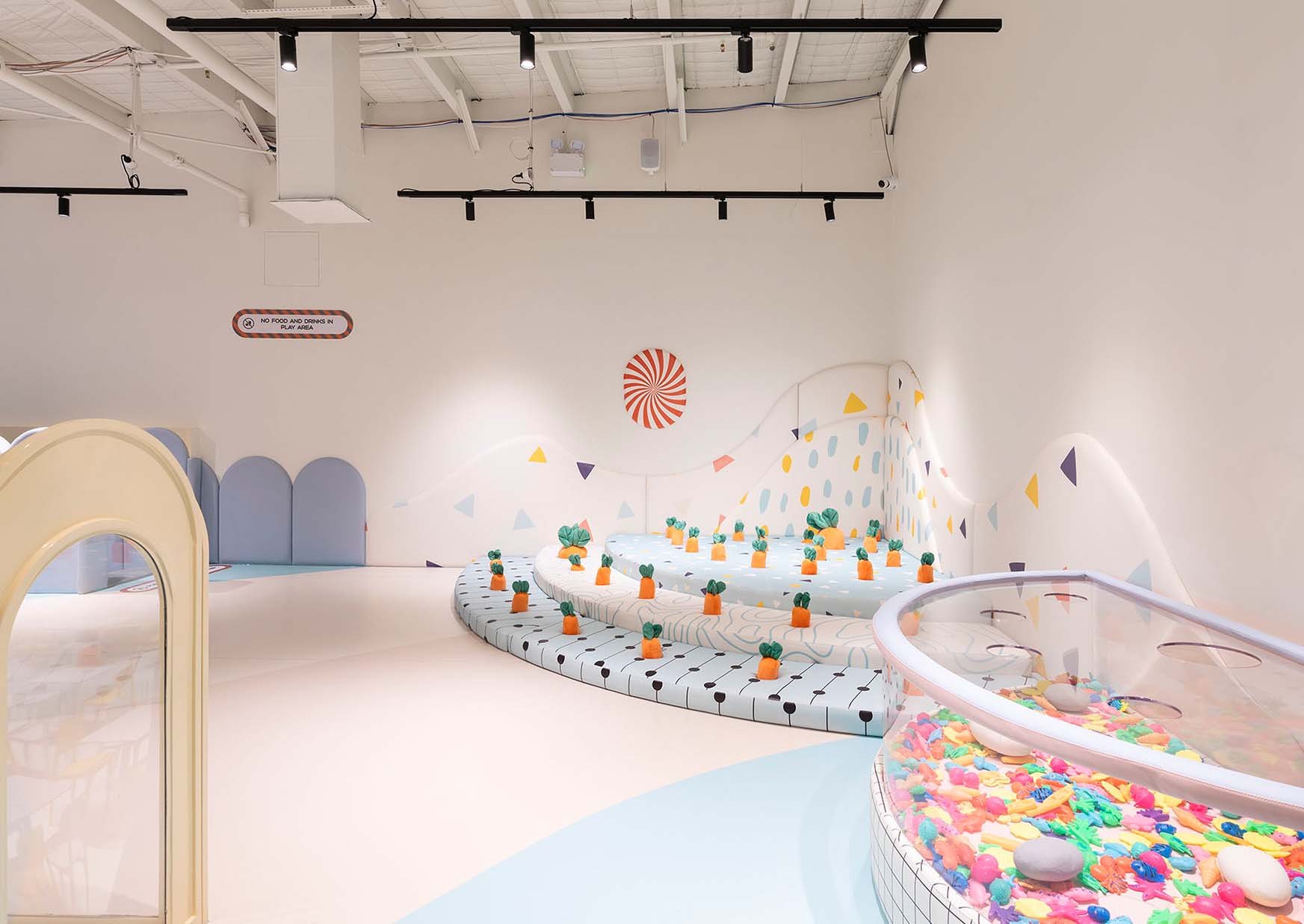
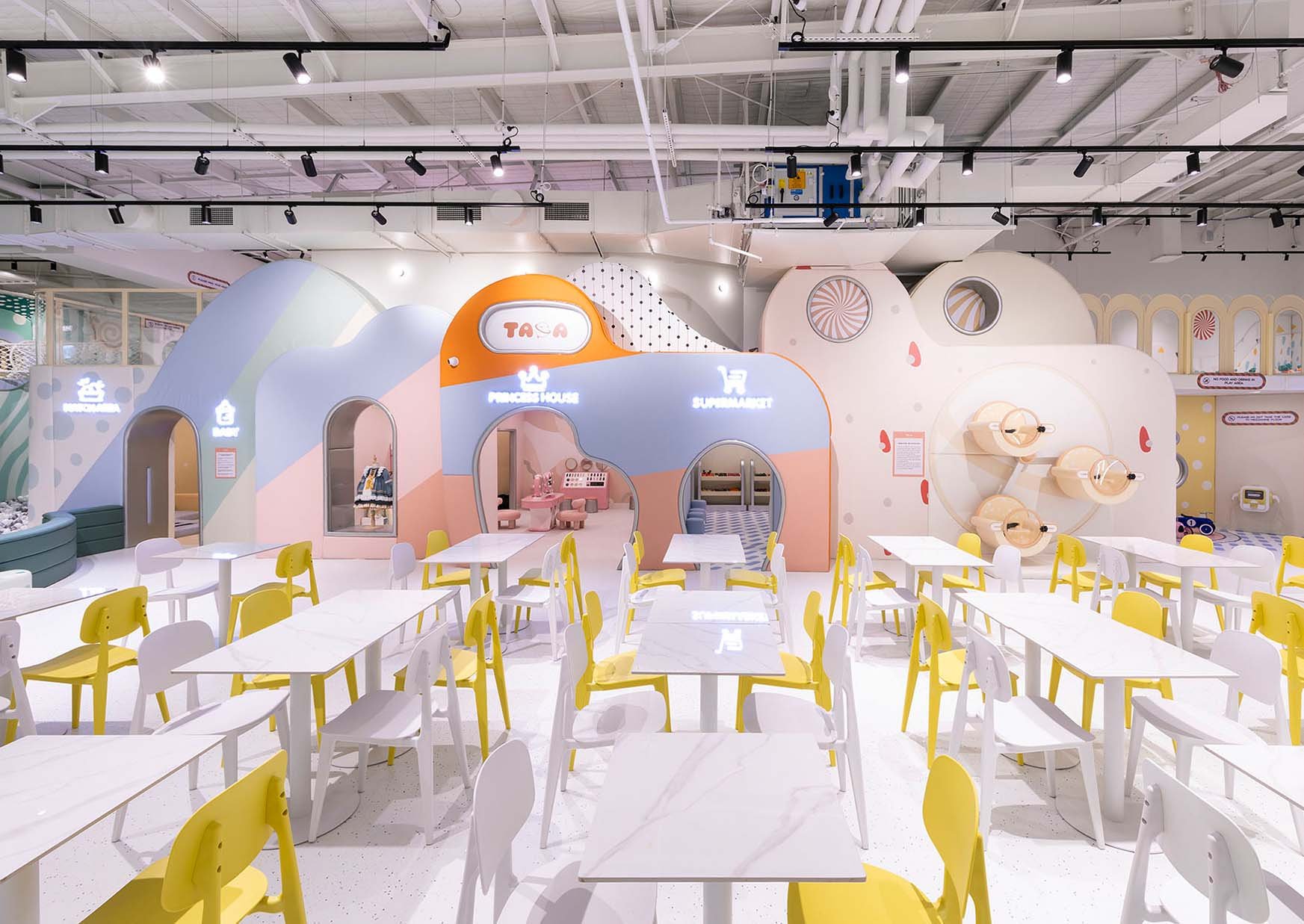
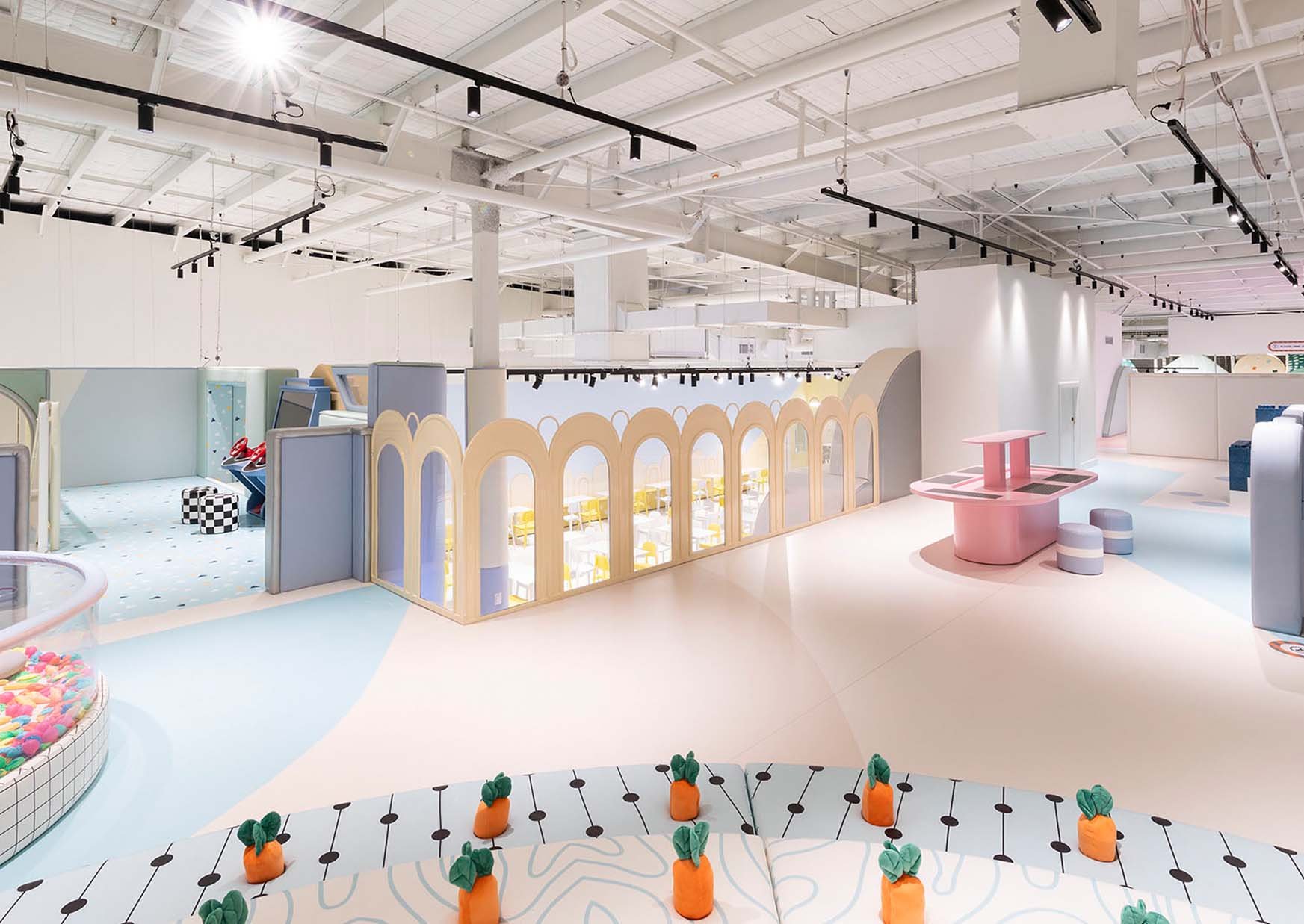
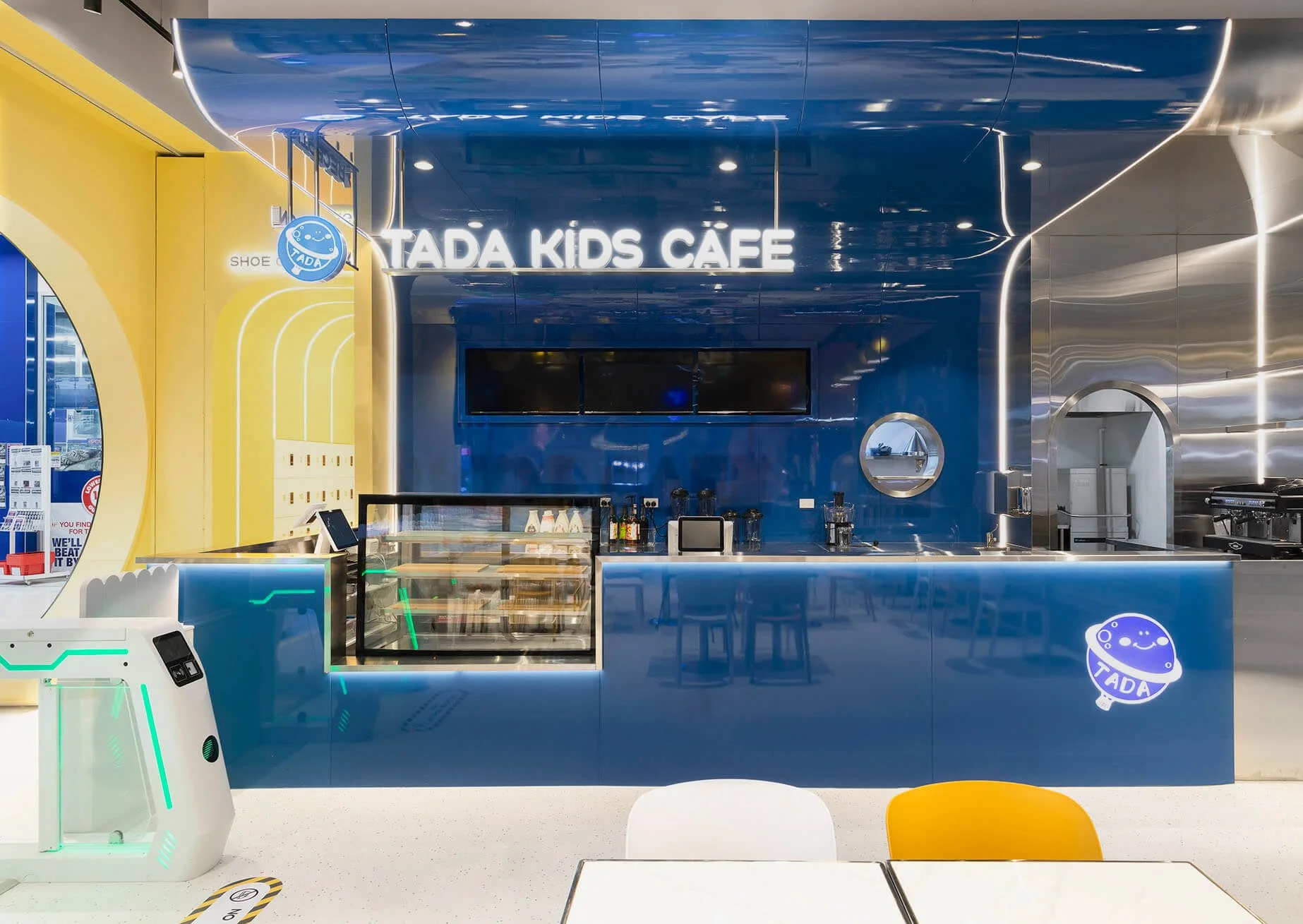
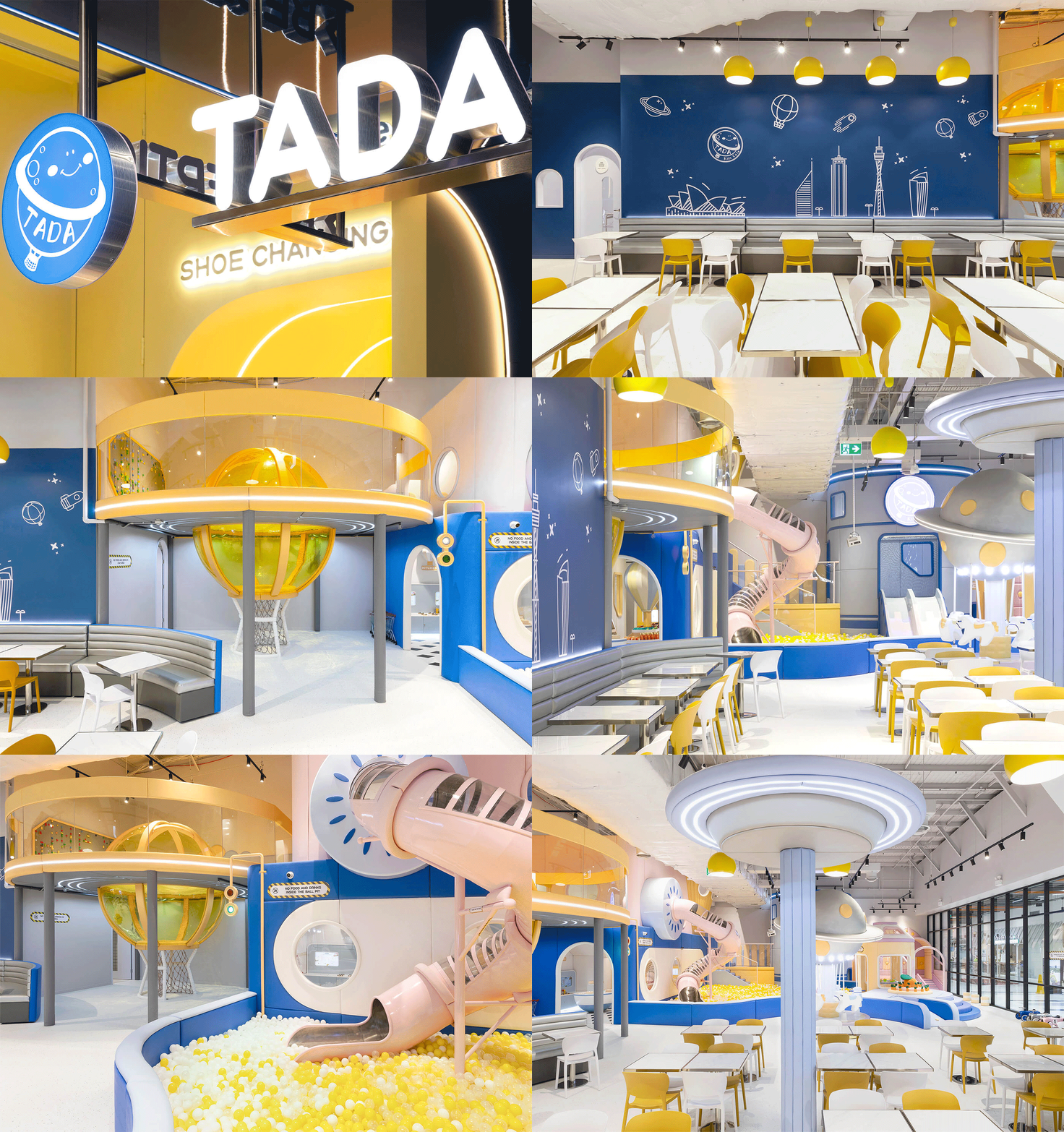
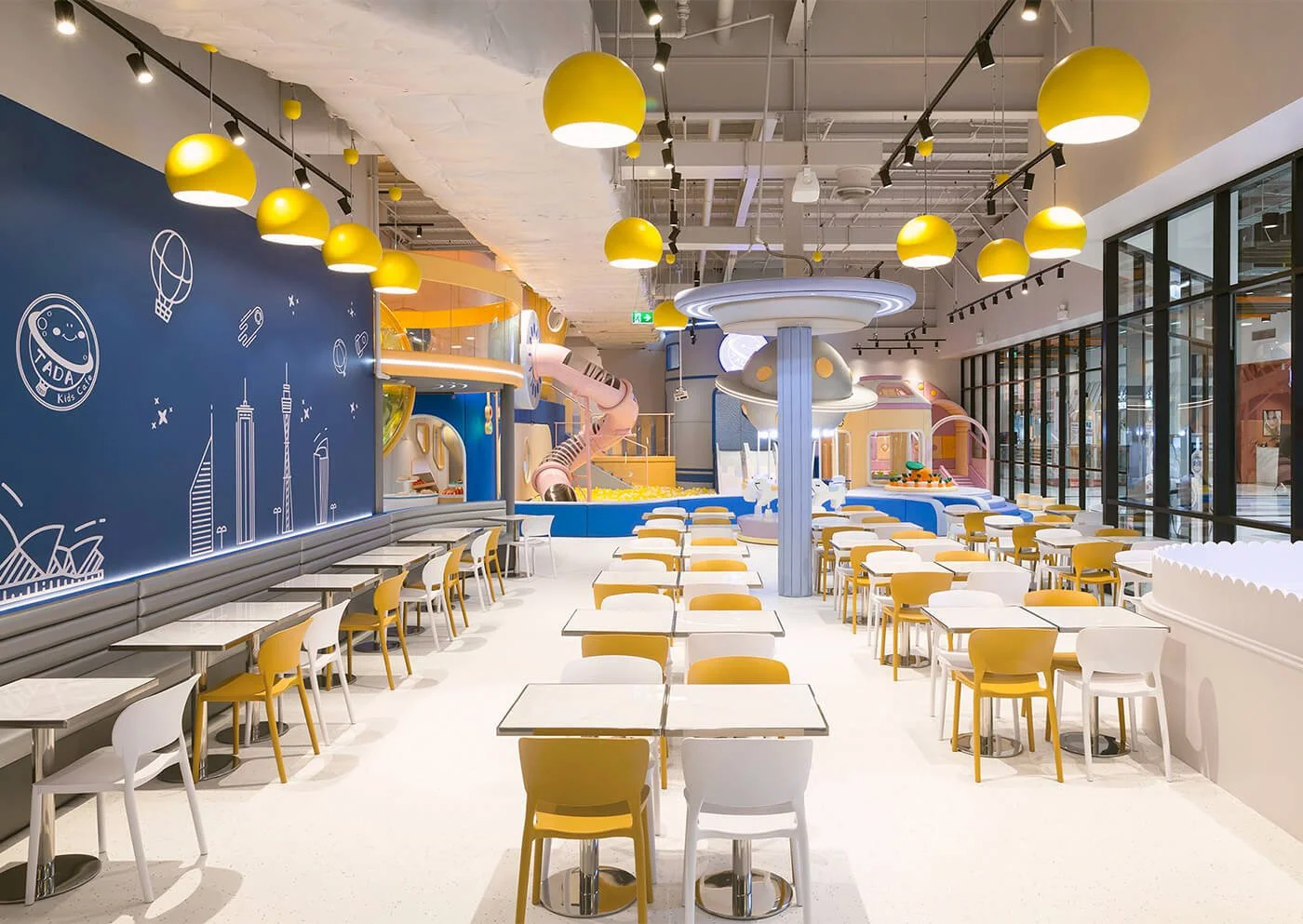
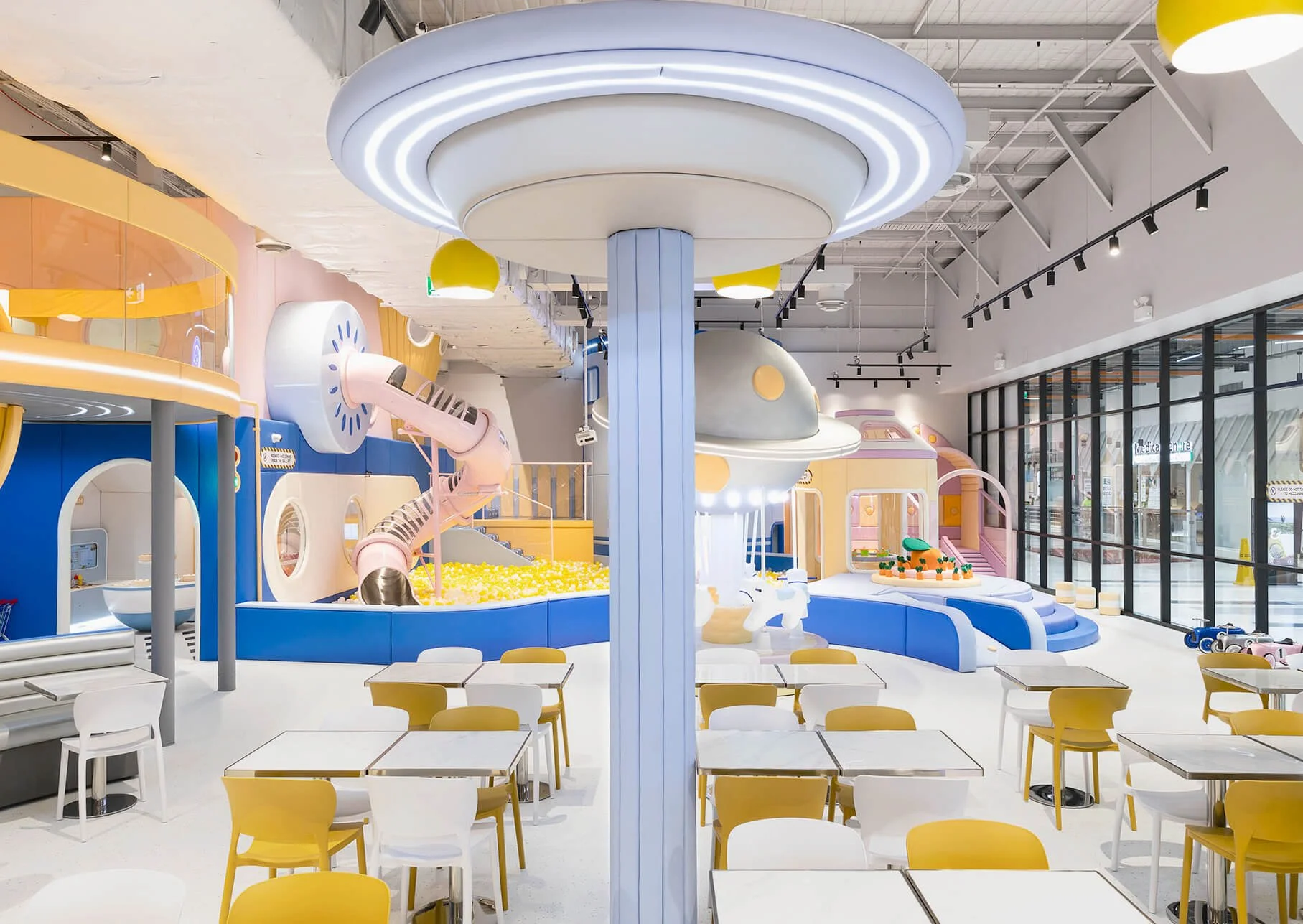
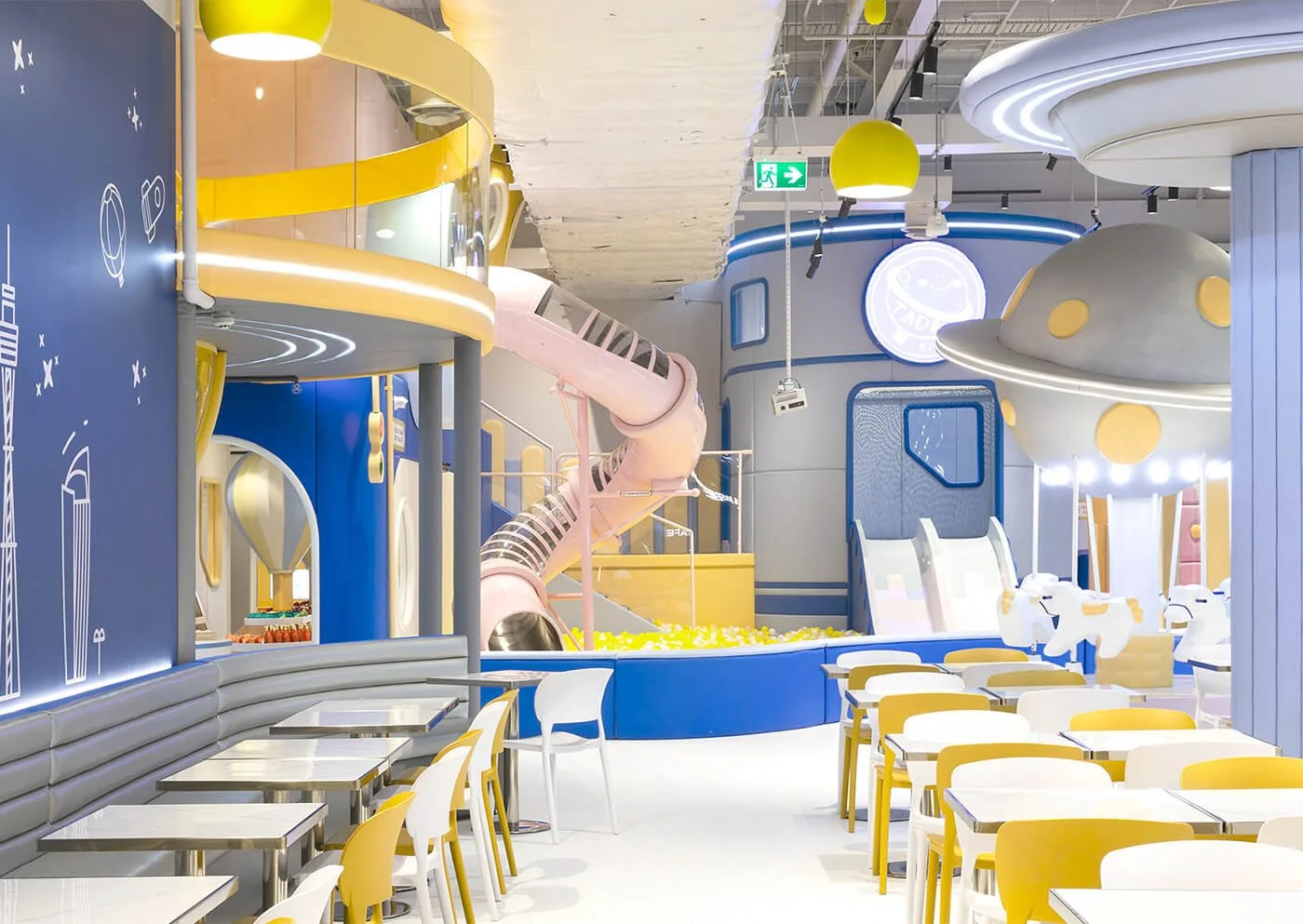
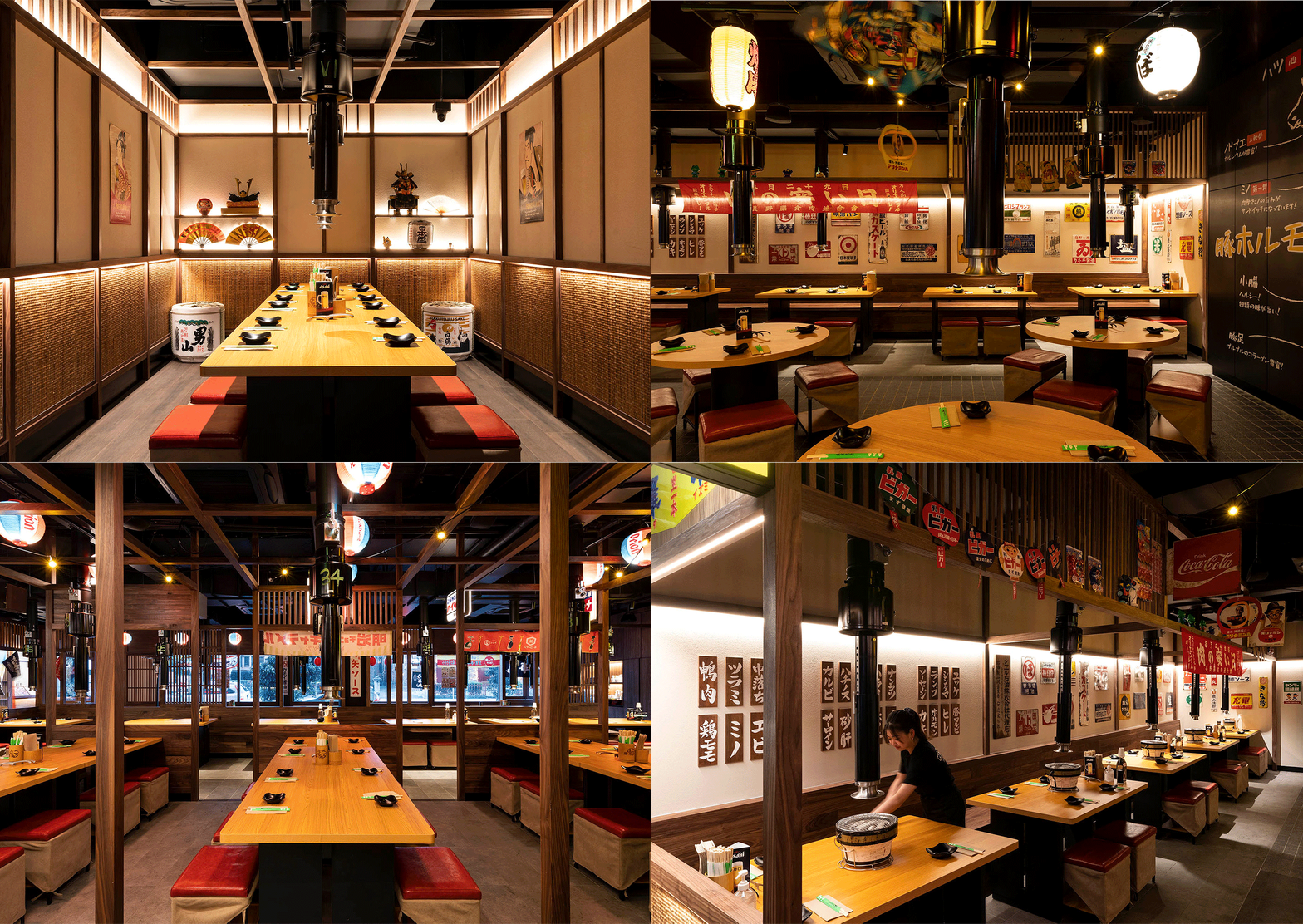
You can see this across our own work. Brands like Just Coconut and Tada Kids read as unmistakably themselves from one venue to the next, while each plan is drawn for its own site — a different frontage, a different footprint, a different local crowd. Same brand, different room, every time.
Frequently Asked Questions
-
No. Keep the brand — your look, materials and signature features — consistent, but let the layout adapt to the new site. Copying the floor plan exactly is what usually makes a second venue feel slightly off.
-
The things customers recognise: your colours and materials, your signature spatial moment, and your signage and typography. These anchors make every venue feel like the same brand.
-
The layout and spatial planning. Each site has a different shape, street and customer base, so the plan should respond to those while the brand stays constant.
-
Yes — once you're past one or two venues. Writing down your materials, fixtures and signage standards keeps every future fit-out consistent without relying on memory.
Planning a second location or a multi-site rollout? At Vie Studio we help brands stay recognisable wherever they open — one brand, built to work on every site. Book a design consultation.
