
How Interior Design Drives Revenue in Hospitality
In hospitality, interior design is more than atmosphere. It’s a commercial strategy. From first impressions to dwell time and repeat visitation, the way a space is designed directly influences how customers move, feel, and spend.
Well-designed venues don’t just look good. They perform better. At Vie Studio, we design hospitality environments with one clear goal: to align experience, brand, and operations in ways that support long-term business growth. Here’s how interior design plays a measurable role in driving revenue.
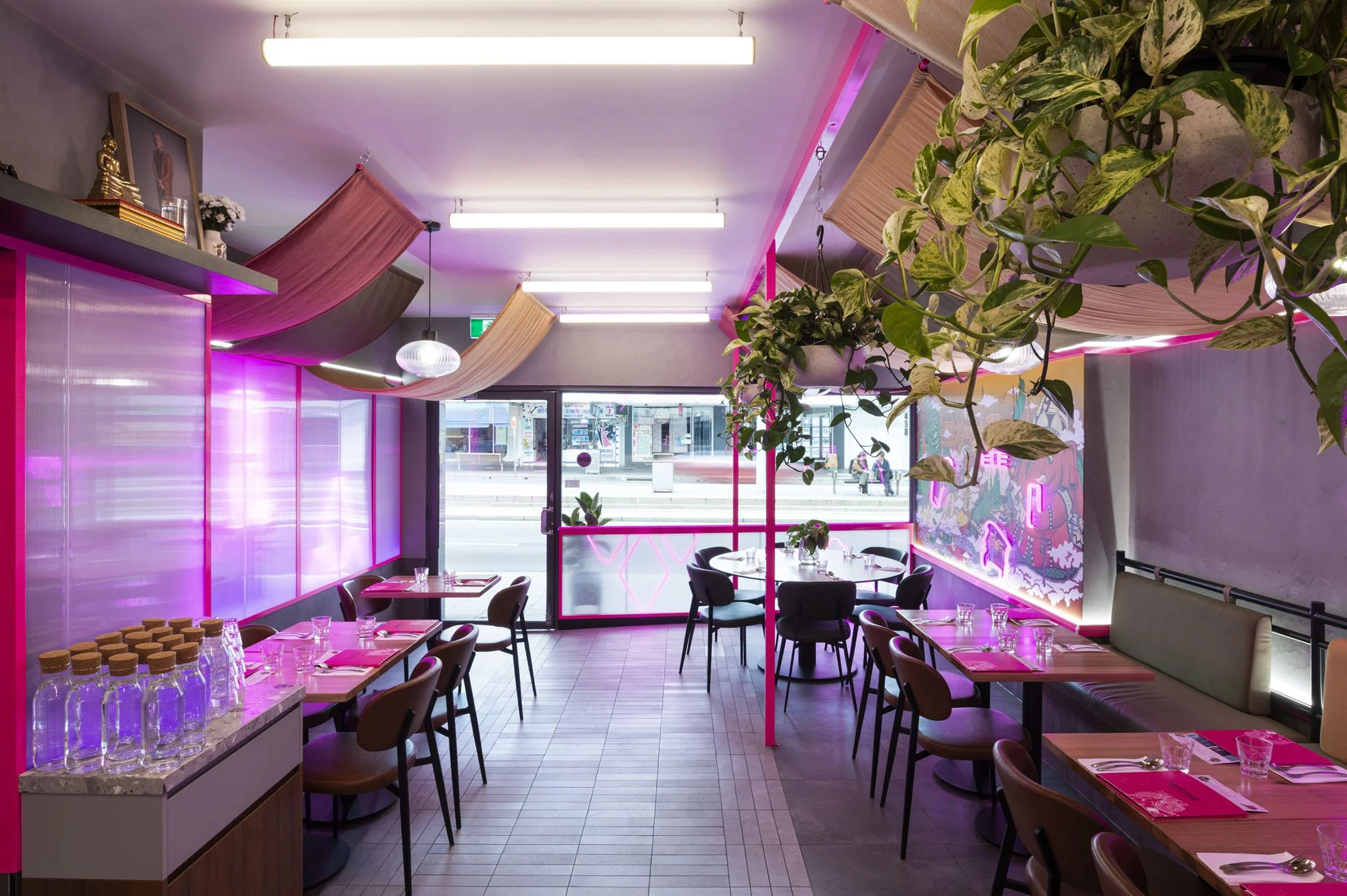
First Impressions That Convert Foot Traffic
A hospitality venue’s interior often makes the decision before a menu is read or service begins. Design shapes perception instantly.
Clear visual identity builds recognition and trust
Inviting layouts encourage entry rather than hesitation
Cohesive branding signals professionalism and quality
When spatial clarity and brand expression work together, foot traffic becomes an opportunity, not missed potential.
Layouts That Influence Dwell Time and Spend
How a space is planned affects how long guests stay and how much they order.
Thoughtful spatial zoning allows venues to support different dining behaviours within one footprint:
Clear circulation paths reduce congestion during peak hours
Defined zones accommodate quick visits, shared dining, or longer stays
Comfortable seating and spacing encourage return visits and increased order frequenc


At Vie Studio, zoning isn’t about filling space. It’s about shaping behaviour with intention.
Atmosphere That Shapes Customer Behaviour
Lighting, materiality, acoustics, and colour quietly influence how a space feels and how people behave within it.
Warm, layered lighting encourages longer stays
Controlled acoustics support comfort and conversation
Material choices communicate brand positioning, quality, and energy
Materials are never just finishes. They are part of the brand language, shaping mood, memory, and perceived value.
Brand Consistency That Builds Loyalty
Interior design is a brand’s most immersive touchpoint. When space and brand align, loyalty follows.
Consistent visual language strengthens recognition
Design-led storytelling creates memorable experiences
Alignment between service, space, and brand builds trust

Great hospitality design turns a venue into a physical expression of identity; one customers recognise and return to.
Operational Design That Protects Profitability
Strong design supports staff as much as guests.
Efficient back-of-house layouts improve service speed
Clear staff circulation reduces friction and error
Functional zoning supports peak-hour performance
When operations flow seamlessly, service improves, and so does profitability.
Designing for Visibility in a Digital-First World
Hospitality spaces now live both physically and digitally.
Design that considers visibility encourages organic marketing through:
Shareable moments that invite user-generated content
Distinctive design features that become visual signatures
Lighting and spatial composition that photographs consistently


Good design doesn’t just fill seats. It extends brand reach beyond the venue.
Looking Ahead
As competition intensifies, interior design can no longer be treated as secondary. Strategic hospitality design directly impacts customer behaviour, brand perception, and operational efficiency; all of which influence revenue.
Design-led venues don’t just attract customers. They retain them.
Final Thought
Interior design in hospitality is an investment, not an expense. When done with intention, it transforms experience into long-term value.
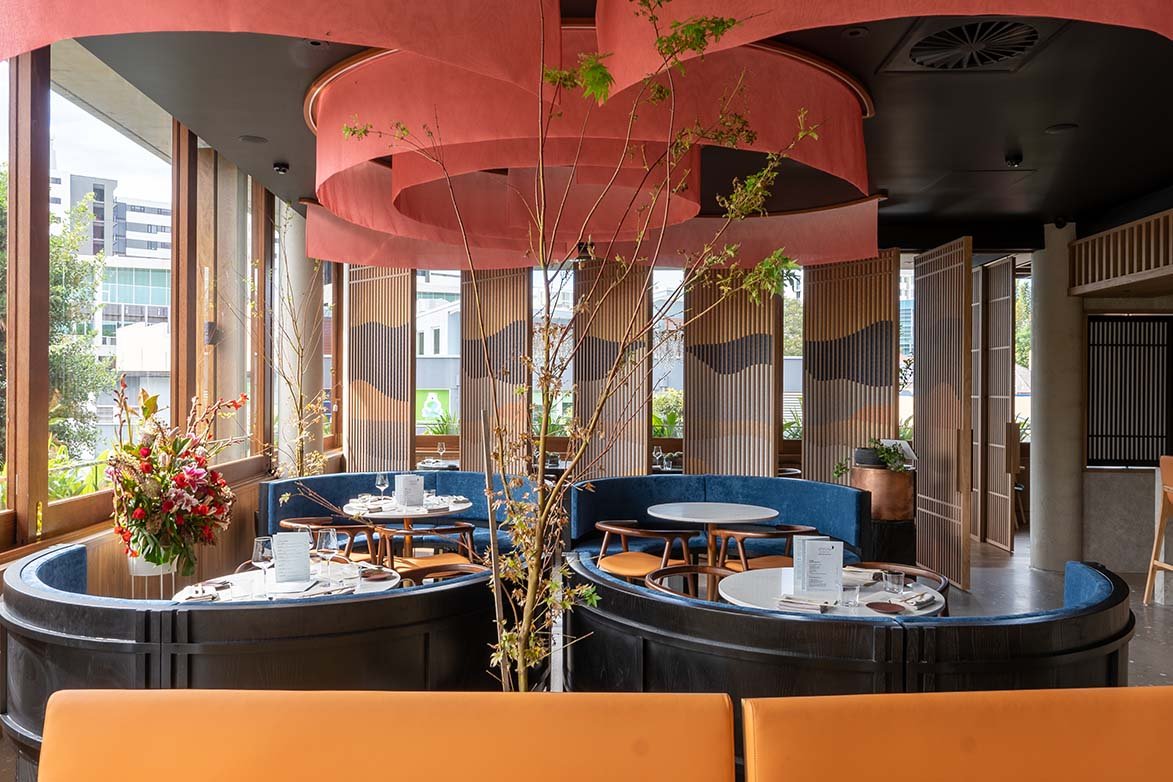
At Vie Studio, we design hospitality spaces that:
Convert foot traffic into loyal customers
Balance the atmosphere with operational performance
Align brand, space, and commercial objectives
📩 Planning a new hospitality venue or refurbishment?
Let’s design a space that works as hard as your business does.
