
In hospitality, first impressions are formed before service begins before menus are read, before a word is spoken. They happen the moment a customer enters a space.
Layout, lighting, materiality and atmosphere work together instantly, shaping how a venue is perceived within seconds. In this way, first impressions are not created by interaction. They are created by space.
The Entry Experience Sets the Tone
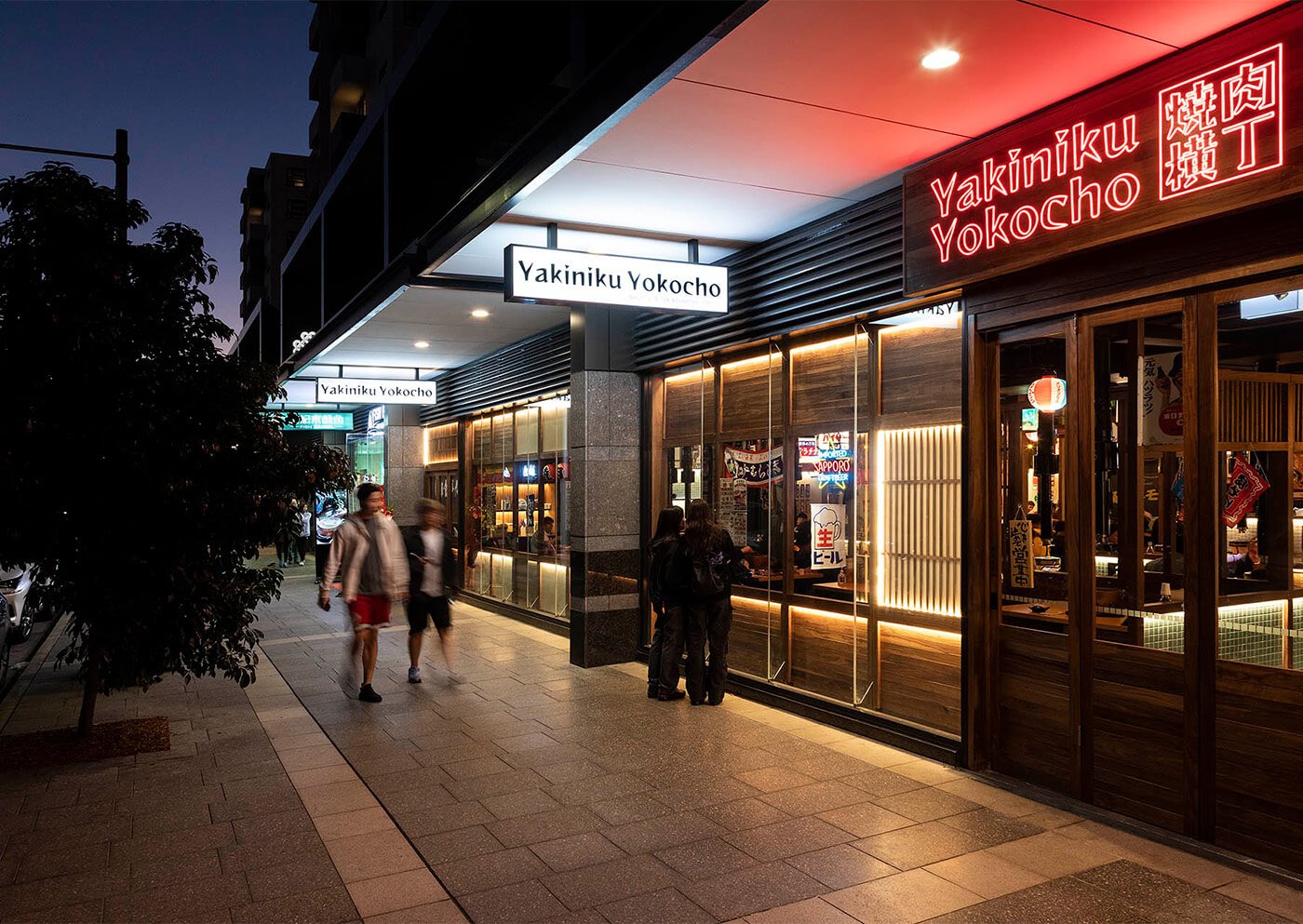


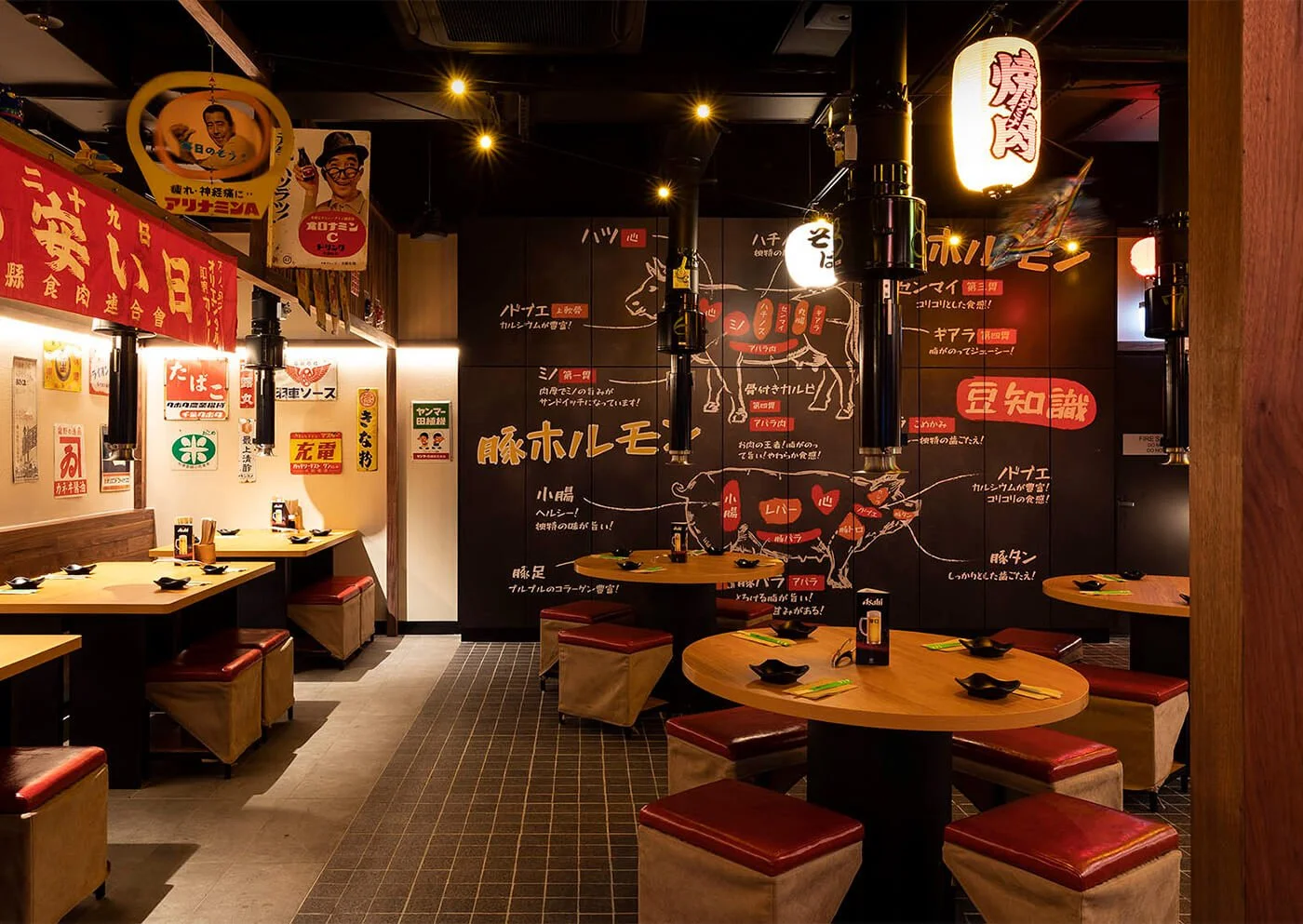
The transition from outside to inside is one of the most defining moments in any hospitality environment. A well-considered entry sequence creates clarity and anticipation. It signals arrival, establishes identity and begins to shape the emotional tone of the experience.
Projects like Yakiniku Yokocho demonstrate how this moment can be immersive from the outset, drawing customers in and setting expectations without the need for explanation.
Before anything is said, the space has already communicated.
Layout Shapes Perception Instantly

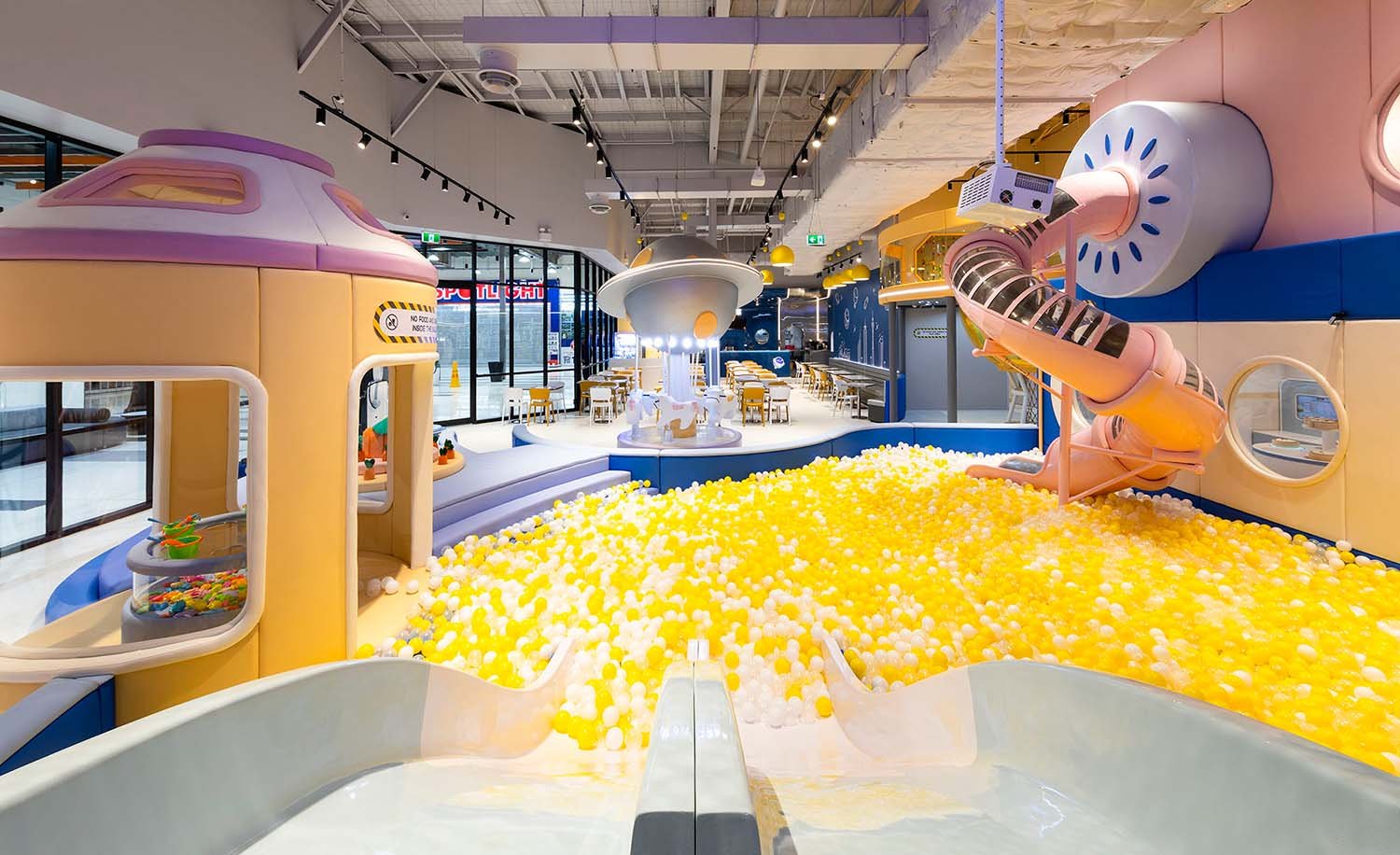

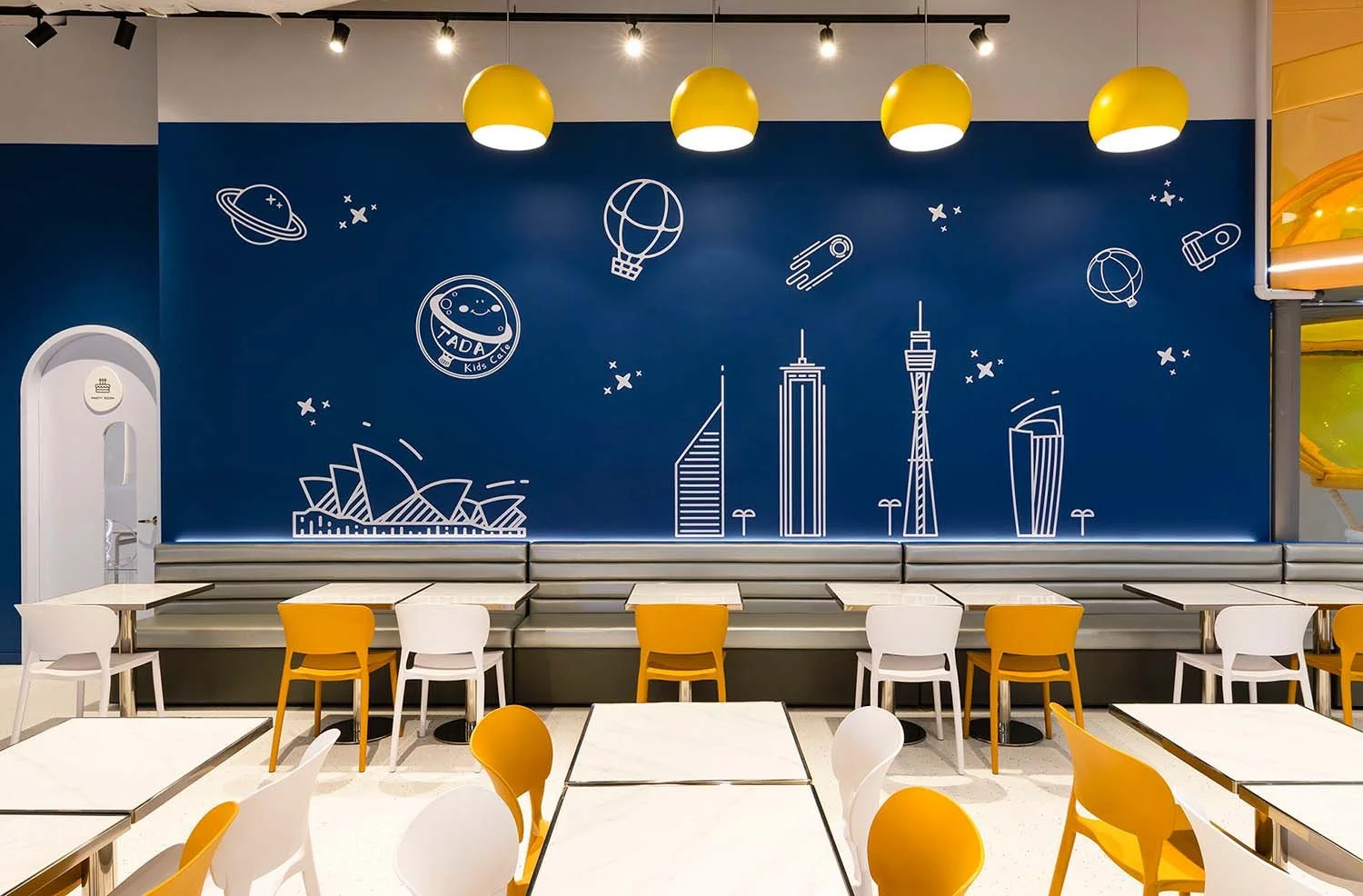

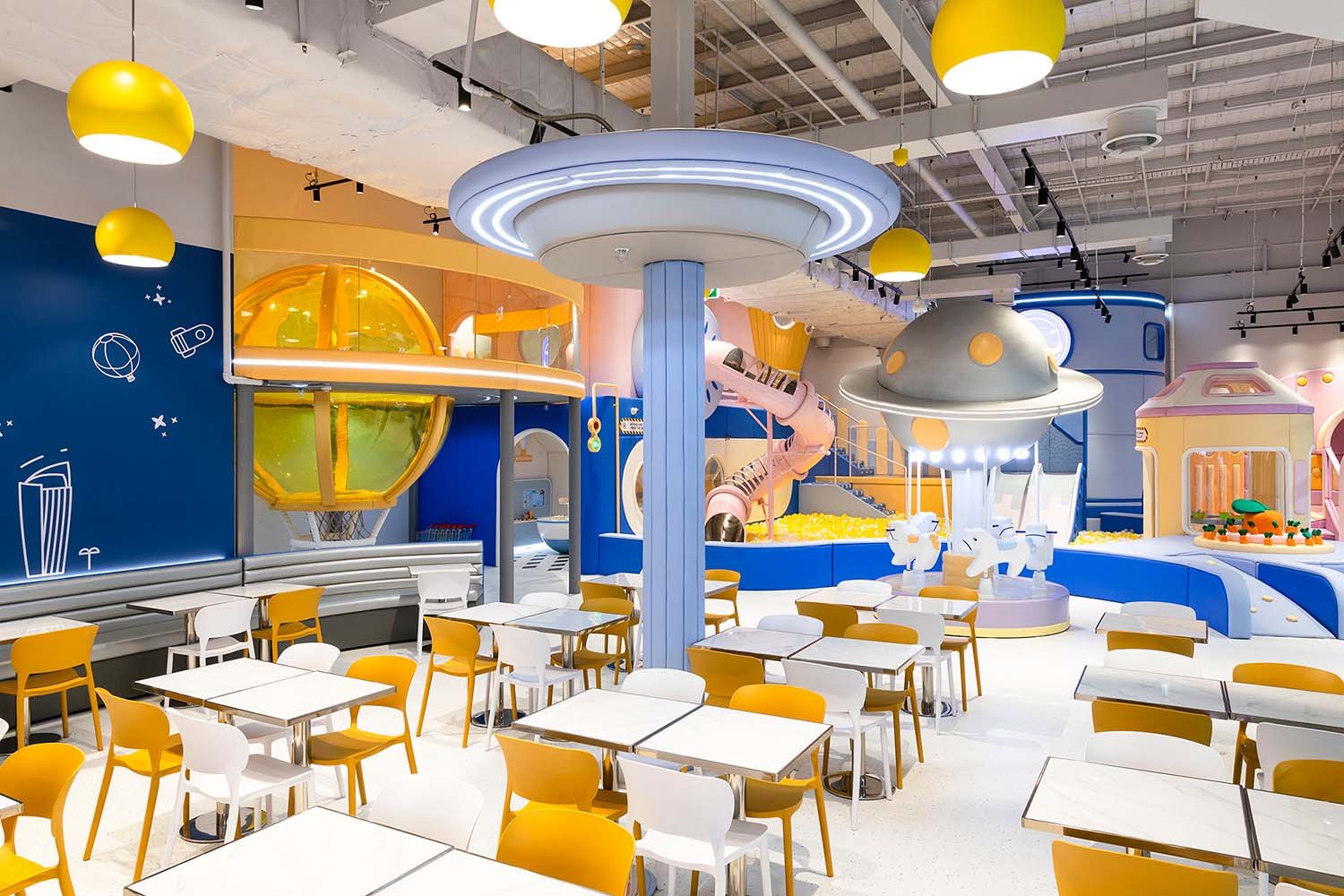
Customers don’t analyse a space. They respond to it instinctively. Within moments, they sense whether an environment feels open or constrained, calm or chaotic, refined or informal. These impressions are shaped by layout — by how space is organised, defined and experienced.
In projects like TADA! Kids Café, layout immediately communicates purpose and audience, guiding behaviour from the first step inside. Clarity in planning creates confidence. Ambiguity creates hesitation.
Materiality Signals Quality
Materials are read before they are consciously noticed. Texture, finish and consistency all contribute to how a space is valued. Refined materials suggest care and longevity, while natural elements create warmth and ease.
When materiality is resolved, the space feels considered. When it is not, the experience feels incomplete. Design communicates quality long before service begins.
Lighting Defines Atmosphere


Lighting is one of the most immediate drivers of perception. It shapes how a space feels in an instant, whether it invites pause, signals energy or creates intimacy. The layering of light adds depth, reinforcing both mood and spatial hierarchy.
In venues like Izakaya Uomichi, lighting is not an afterthought, but a central element in defining atmosphere from the very first glance.
Clarity Builds Confidence
A space that is easy to understand is a space that invites engagement. When pathways are clear and zones are legible, customers move with ease. There is no need to second-guess where to go or how to navigate the environment.
This clarity reduces friction and supports longer, more comfortable visits, shaping both experience and behaviour from the outset.
Brand Is Felt Before It Is Seen
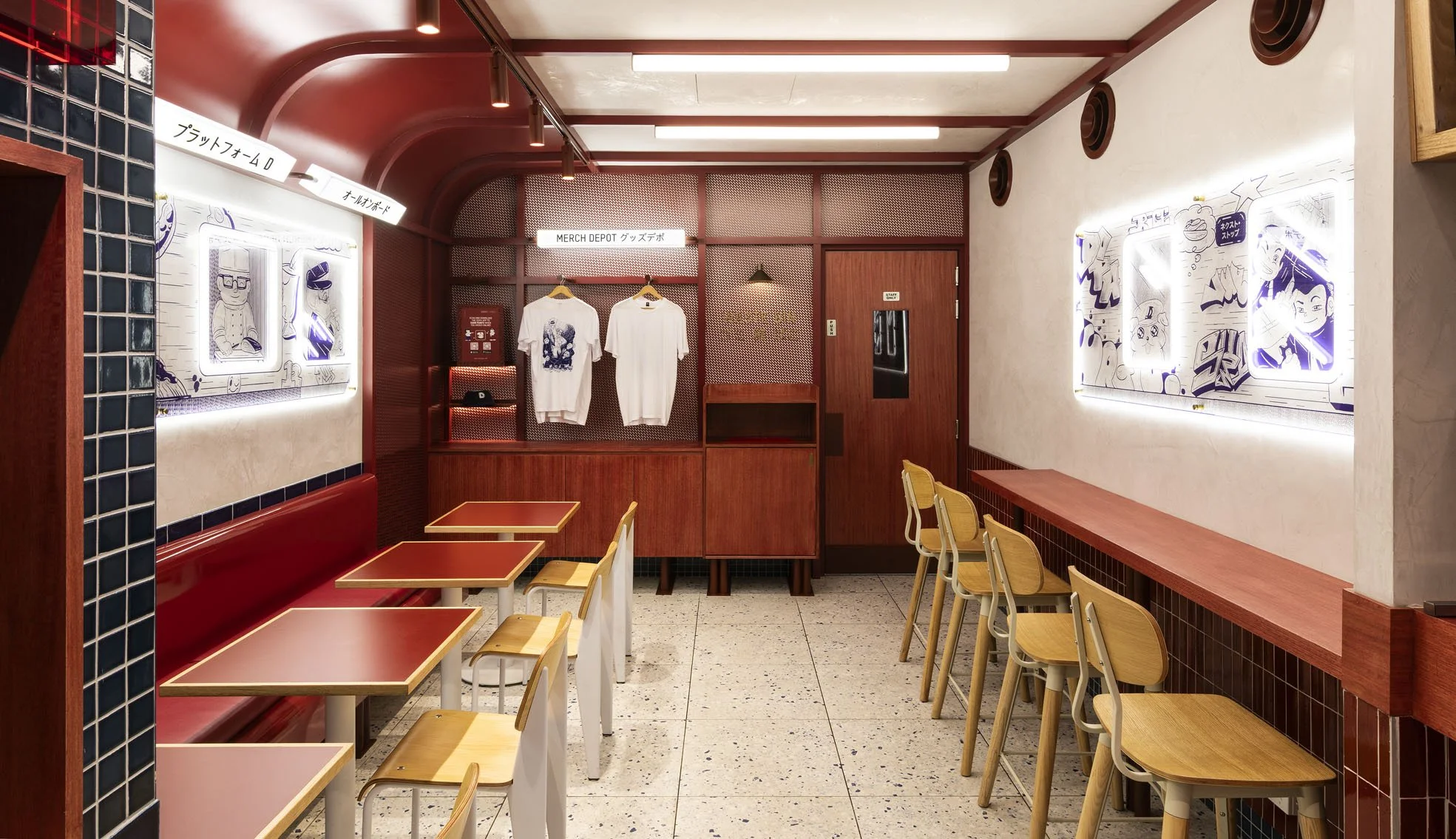
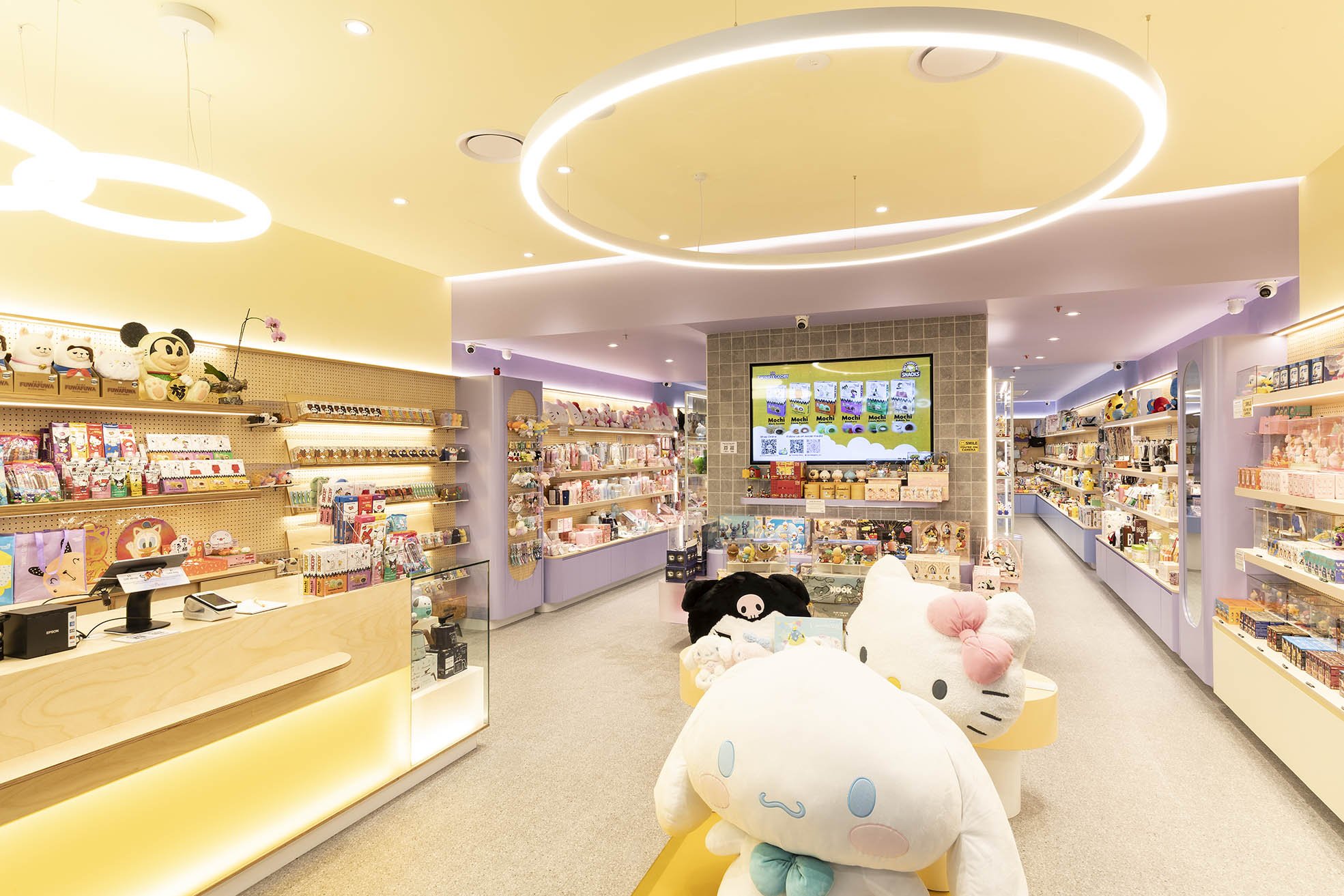
In strong hospitality environments, brand is not applied. It is experienced. Form, layout and materiality work together to express identity without relying on signage or graphics. Atmosphere reinforces positioning, creating recognition that feels intuitive rather than explicit.
Projects like Mumu Life demonstrate how a cohesive spatial language can communicate brand from the first moment of entry.
Looking Ahead
As competition increases, the importance of first impressions will only intensify. Customers form opinions quickly — often within seconds. Spaces that communicate clearly, confidently and intuitively will continue to define successful venues.
First impressions are not decorative. They are spatial.
Final Thought
In hospitality, there is no second chance at a first impression, and that impression is shaped long before service begins.
At Vie Studio, we design spaces that create immediate clarity, communicate brand instinctively and set the foundation for meaningful customer experience.
📩 Planning a hospitality space that needs to make an impact from the first step?
