How Design Increases Long-Term Asset Value
Interior design is often viewed as an upfront cost. In reality, it is one of the most influential factors in how an asset performs over time.
From tenant attraction to operational efficiency and long-term adaptability, design shapes value well beyond completion. Spaces that are thoughtfully designed don’t just present better. They perform better, last longer and require less reinvestment.
Perception Sets the Foundation
Value is often formed in the first moment of interaction. Material quality, spatial clarity and detailing all contribute to how a space is perceived.
When these elements feel considered, the asset communicates long-term investment and credibility, reducing the need for justification or repositioning.
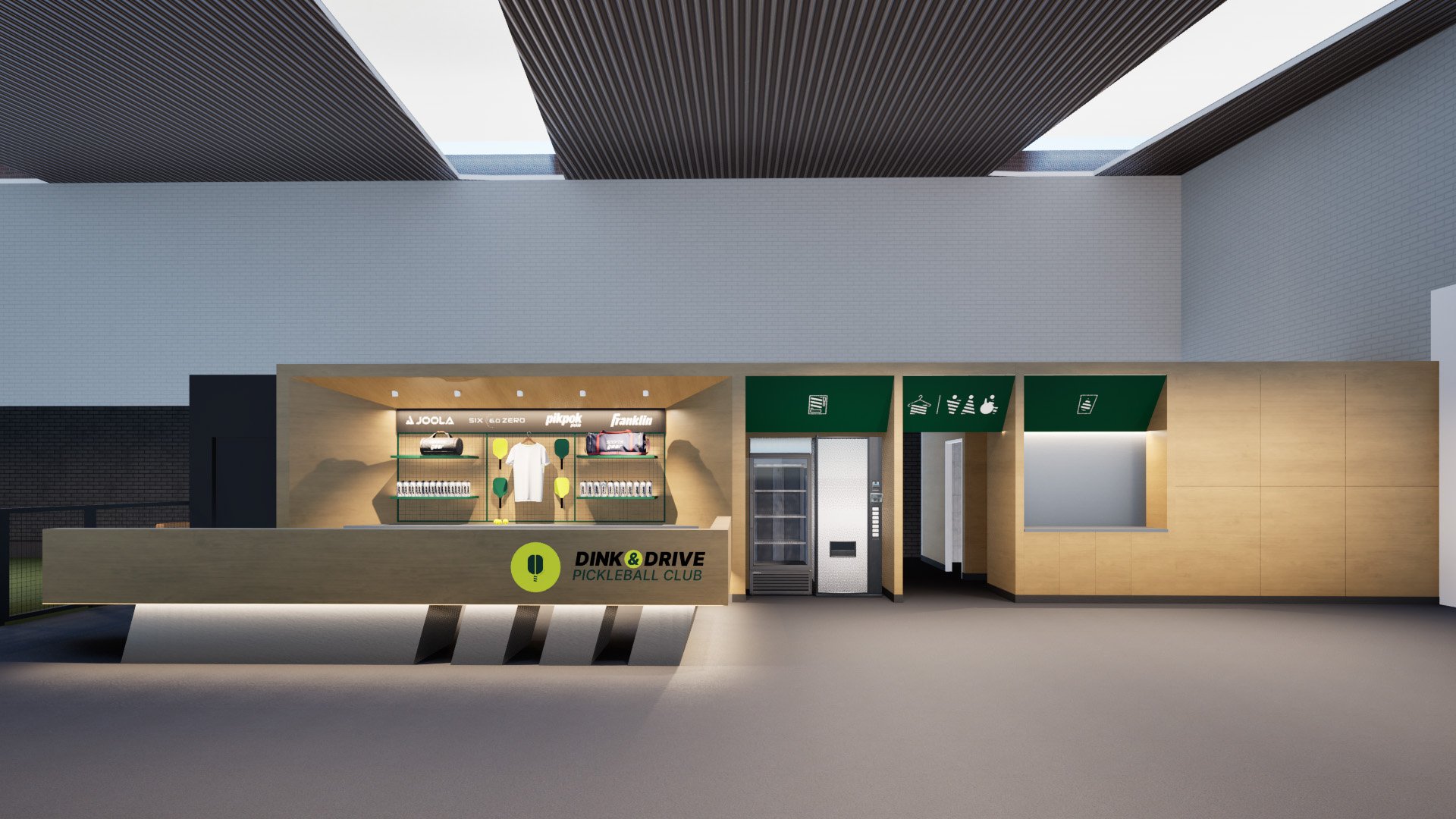
Projects like Éclat Atelier demonstrate how refined materiality and proportion can elevate perceived value from the outset. Design, in this sense, is not surface. It is positioning.
Attracting and Retaining Stronger Tenants
High-quality tenants look for environments that support both their brand and their operations. A well-resolved space reduces the effort required to adapt it.
Layouts feel intuitive, infrastructure is in place, and the foundation allows for clear brand expression without unnecessary compromise. This not only attracts stronger tenants, but encourages longer tenancies, contributing to stability and long-term asset performance.
Reducing Cost Through Better Planning
Design decisions carry long-term consequences. Inefficient layouts increase labour requirements. Poor material choices lead to higher maintenance. Spaces that lack foresight require ongoing adjustments and upgrades.
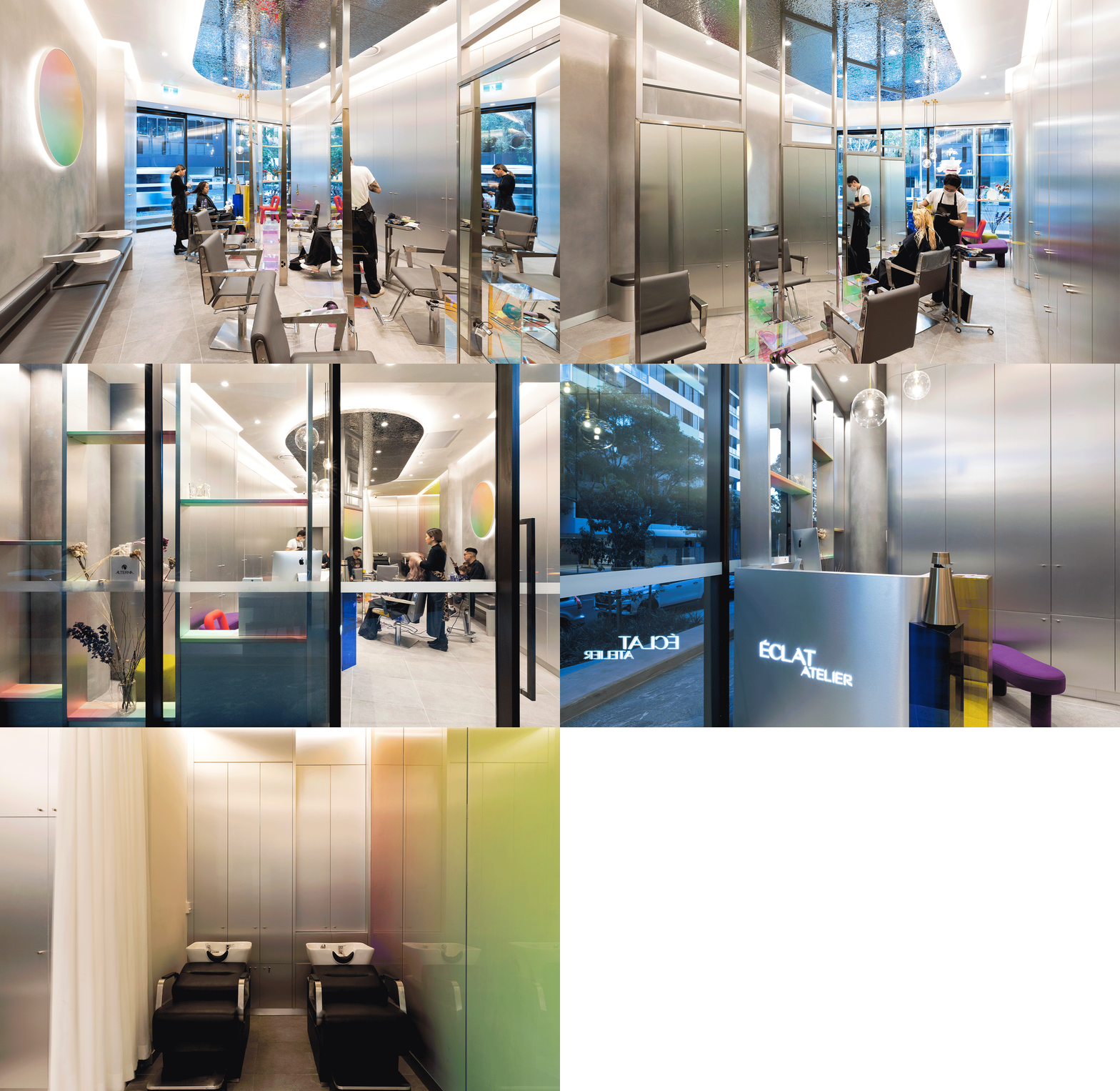
When operational flow and durability are considered early, as seen in projects like Sneaker Laundry, these inefficiencies are minimised. The result is a space that operates with greater consistency and lower ongoing cost.
Good design reduces friction not just in experience, but in ownership.
Designing for Adaptability
Assets that cannot evolve quickly lose relevance. Markets shift, tenants change, and expectations continue to rise. Spaces that are overly rigid require costly intervention, while those designed with flexibility can adapt with minimal disruption.
This may take the form of layouts that accommodate different uses, infrastructure that supports future needs, or design frameworks that allow change without full reconstruction.
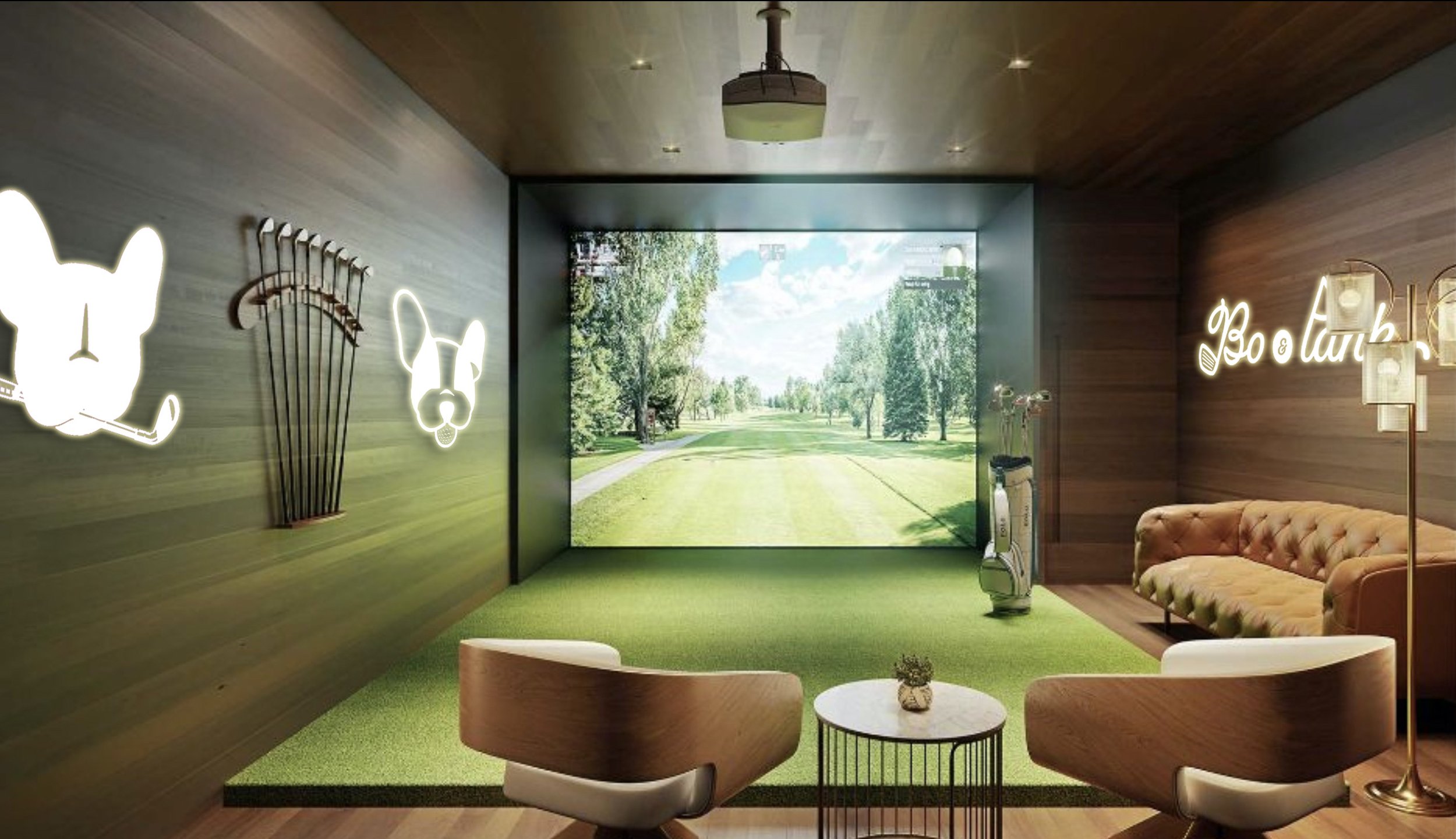
Projects like Minus Seven reflect how adaptability can extend both the lifespan and relevance of a space.
Supporting Commercial Performance
For hospitality and retail environments, experience is directly tied to revenue. The way people move through a space, how long they stay, and how they engage all influence performance.
When flow is intuitive, and the environment feels comfortable, dwell time increases and behaviour shifts positively. Design quietly shapes these outcomes, reinforcing the commercial value of the asset over time.

Consistency Across a Portfolio
For multi-site assets, value is also driven by consistency. A clear design framework ensures that each location maintains a cohesive standard of quality, strengthening overall portfolio identity.
At the same time, structured flexibility allows each site to respond to its context without losing alignment. This balance reduces rollout costs, improves efficiency and builds long-term recognition.
Looking Ahead
Interior design is not a one-time decision — it is a long-term strategy. Spaces designed with clarity, adaptability and performance in mind continue to deliver value well beyond their initial completion. As expectations evolve, assets that balance experience with efficiency will hold their position more strongly over time.
Final Thought
Design doesn’t just shape how a space looks. It defines how it performs over time.
At Vie Studio, we design environments that align experience, operation and longevity, creating assets that continue to perform well into the future.
📩 Planning a project with long-term value in mind? Let’s create a space that continues to perform well into the future.
