
Designing Hospitality Venues That Scale
Designing a successful hospitality venue is one challenge. Designing one that can scale across multiple locations is another entirely.
What works in a single site doesn’t automatically translate into a system. For growing brands, design must move beyond one-off execution and become a framework. Something that can adapt, evolve and perform consistently without losing identity.
Scalable design is not about replication. It is about building a foundation for growth.
Clarity Begins with a System
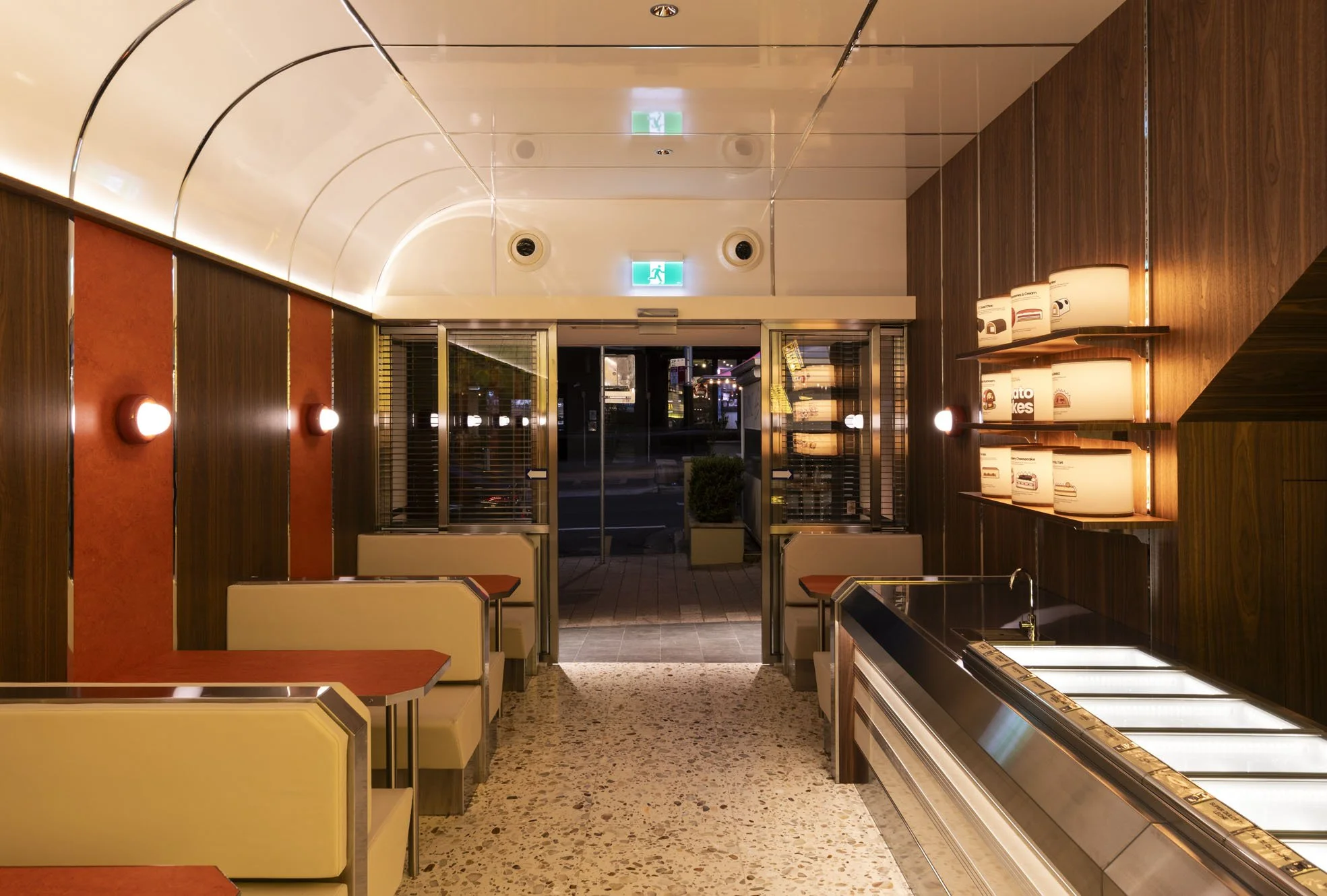
Scaling starts with definition. Without a clear design system, each new location becomes a redesign rather than a rollout. Over time, this leads to inconsistency, inefficiency and diluted identity.
A well-structured system establishes what remains constant and what can adapt, creating alignment across teams while allowing flexibility in execution.
Designing for Variation from the Start
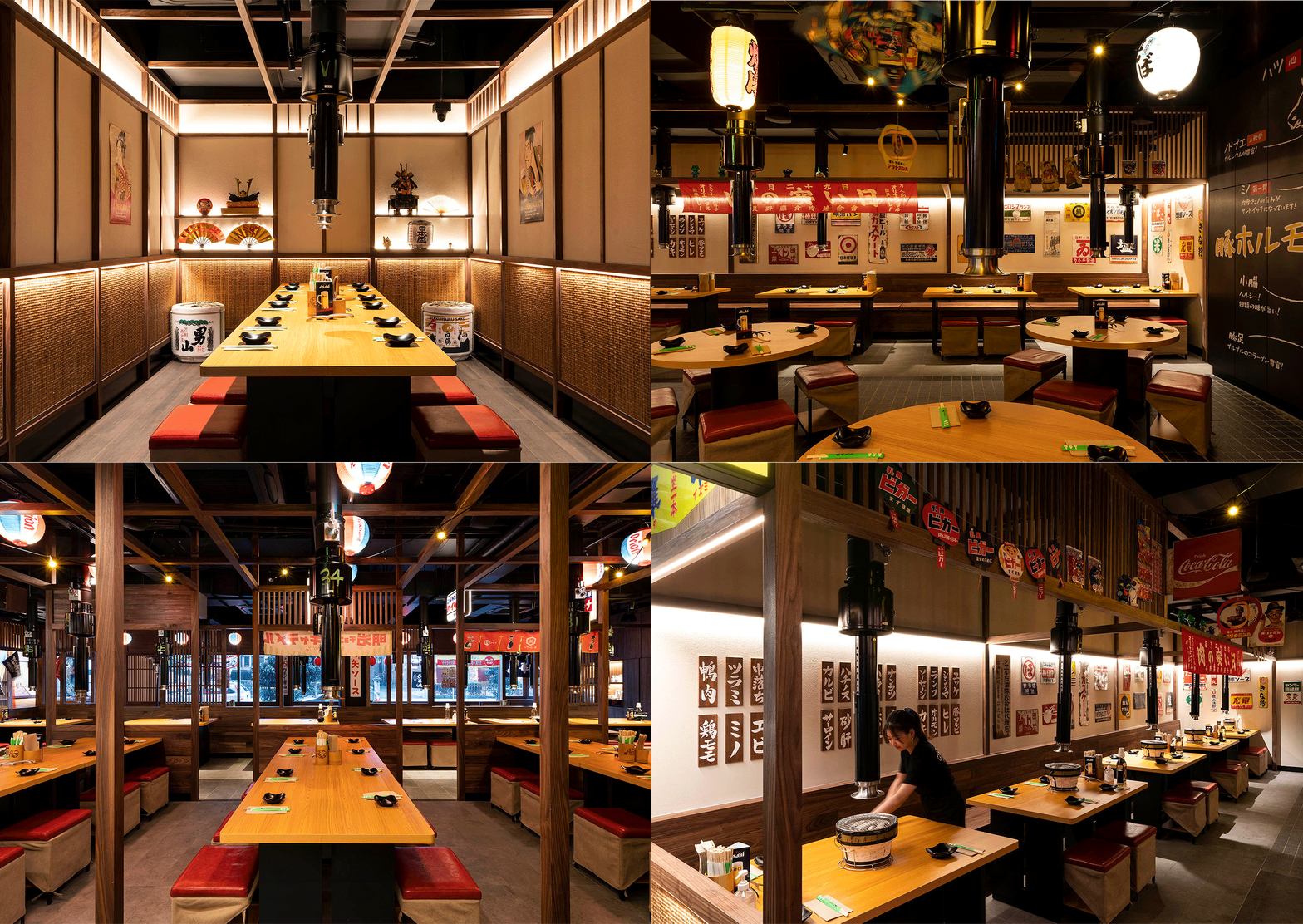
No two sites are the same. Differences in footprint, services and context will always influence how a space performs. Scalable design anticipates this variation. Rather than forcing a fixed layout, it creates a logic that can respond to different conditions, allowing each site to feel resolved within its own constraints.
Projects like Yakiniku Yokocho show how a clear concept can adapt across locations without losing its identity. Design should flex with context, not resist it.
Balancing Consistency and Flexibility
Strong brands are recognisable, but not repetitive. Consistency builds familiarity, while flexibility ensures relevance. The balance lies in defining key elements that anchor the brand, while allowing variation in how they are expressed.
Materiality, layout and detailing may shift, but the underlying experience remains aligned. This creates spaces that feel connected without feeling identical.
Operational Efficiency at Scale
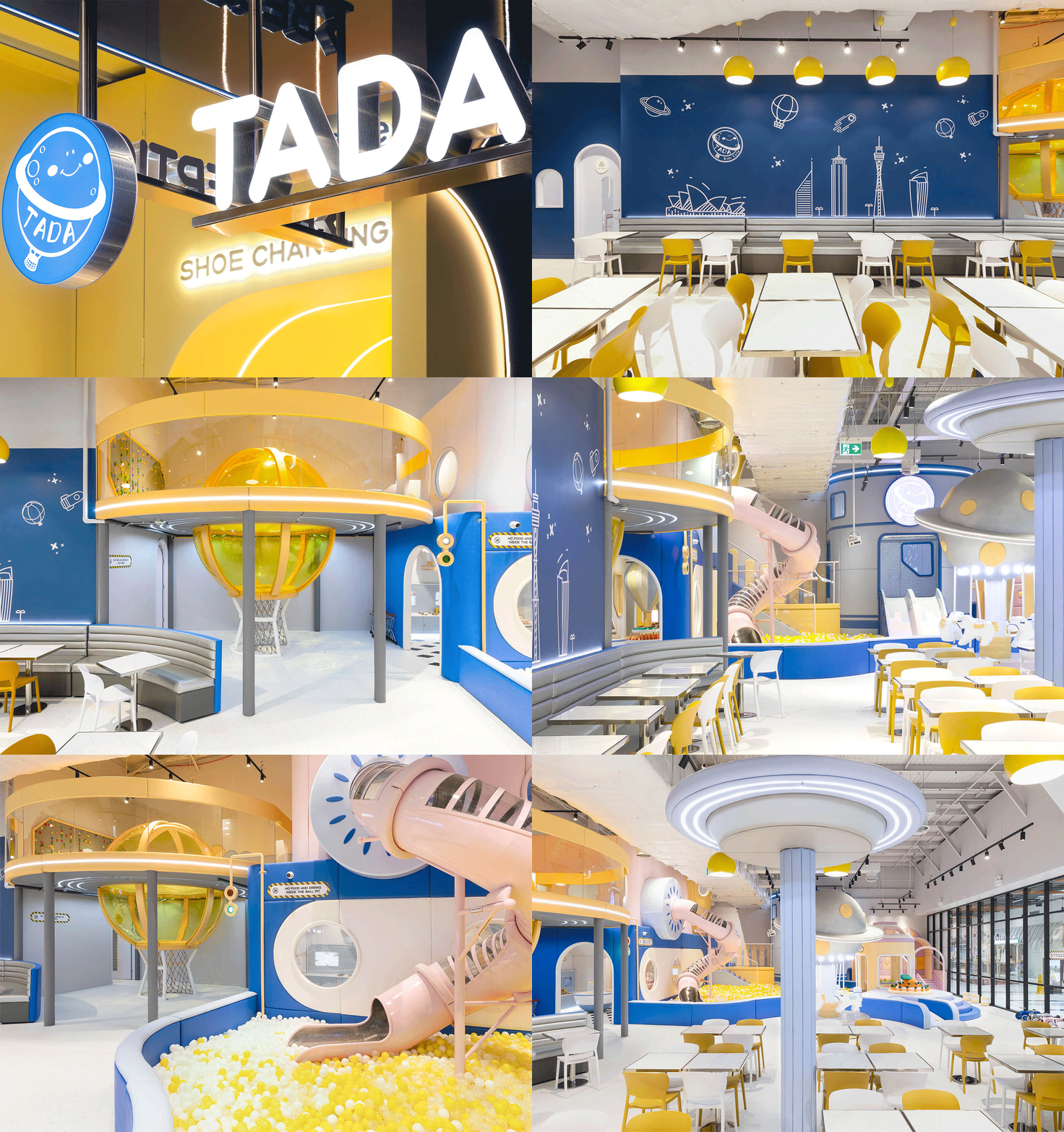
As a brand grows, inefficiencies scale with it. What may seem manageable in a single venue becomes costly across multiple locations. Movement, workflow, and service flow must be considered as repeatable systems, not isolated solutions.
In projects like TADA! Kids Café, operational planning is integrated early, ensuring that performance remains consistent, regardless of site conditions. A scalable venue is not only recognisable. It is reliable.
Designing Beyond the First Opening

Scaling requires thinking beyond launch. Materials must withstand repeated use across sites. Layouts must allow for change. Systems must reduce the need for constant redesign.
Projects like Éclat Atelier demonstrate how considered design can remain relevant over time, supporting both brand evolution and operational longevity.
Design, when approached strategically, becomes an asset, not a recurring cost.
Consistency in Experience
No matter how many locations a brand operates, the experience should feel familiar. Customers should intuitively understand how to move through a space, how to engage with it, and what to expect. This clarity builds trust and strengthens brand recognition over time.
Design plays a central role in shaping this consistency, not through duplication, but through alignment.
Looking Ahead
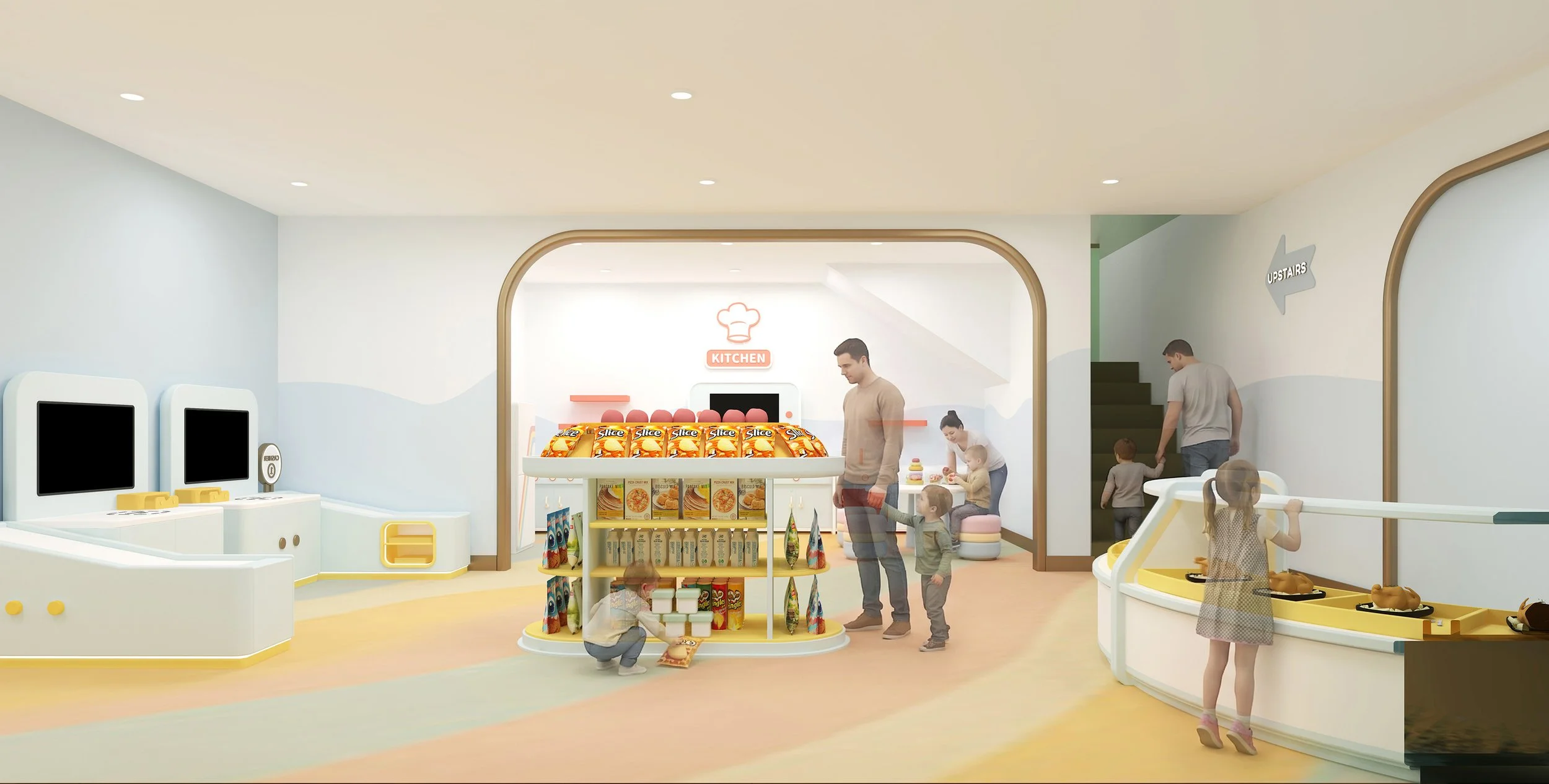
As hospitality brands continue to expand, the ability to scale design effectively becomes a defining advantage.
Venues built on one-off ideas struggle to grow. Those grounded in clear systems and adaptable frameworks create consistency without compromise. Scaling is not about copying a space. It is about evolving it with intention.
Final Thought
Growth demands more than a strong first venue. It requires a design approach that can adapt, repeat and perform across every location.
At Vie Studio, we design hospitality environments that scale through clarity, aligning brand, operations and experience into systems that grow with you.
📩 Planning a hospitality concept with growth in mind?
