
Designing for Staff Experience in Hospitality
Hospitality design often centres on the customer: how a space looks, feels and performs from the guest’s perspective.
But behind every successful venue is a team navigating that space every day.
Designing for staff experience is not secondary. It directly shapes service quality, operational efficiency and long-term performance. When a space works for the team, it works better for everyone.
Why Staff Experience Matters
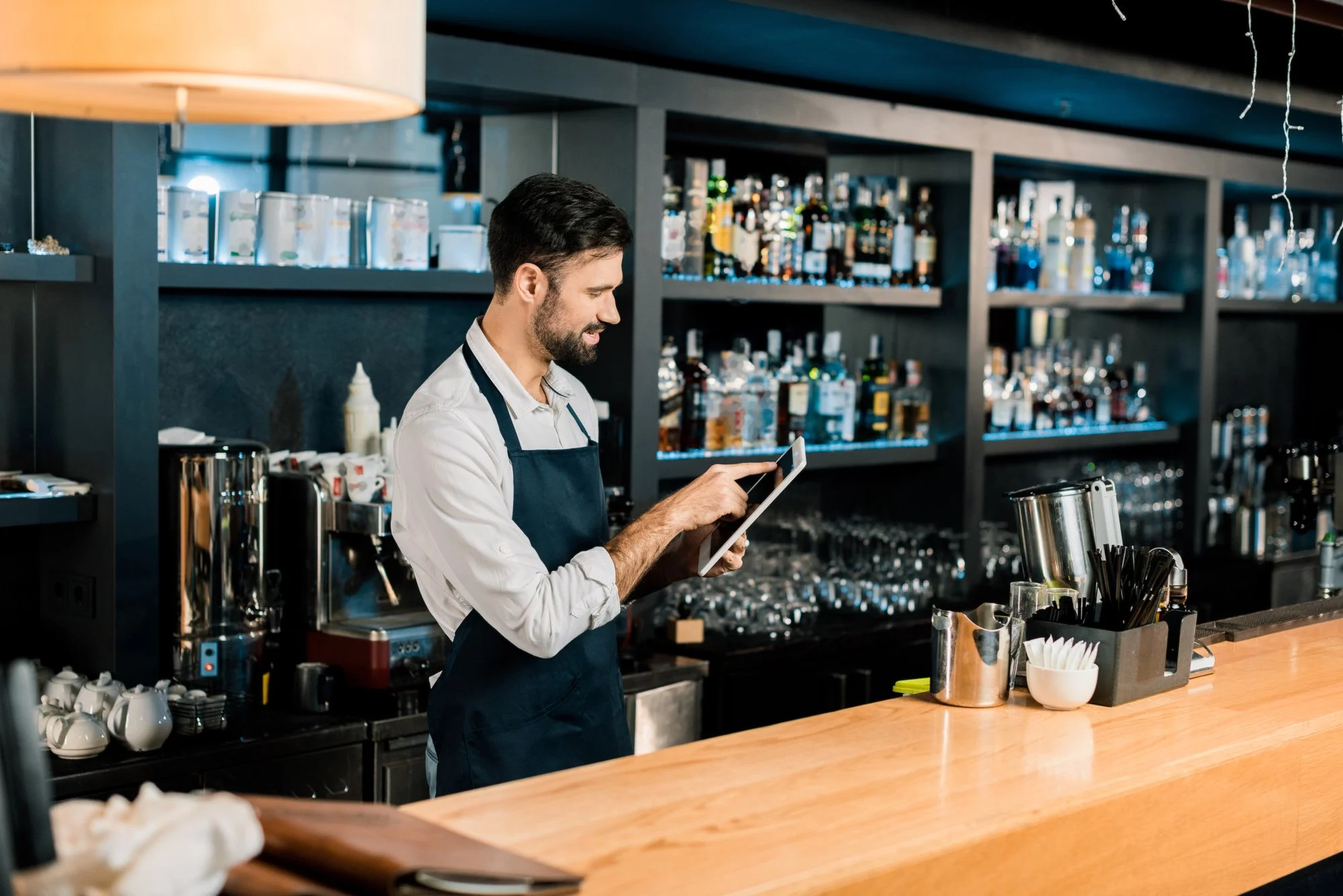
Staff are the constant users of a space. Their movement, comfort and clarity determine how smoothly a venue operates.
When this is overlooked, friction becomes inevitable. Service slows, fatigue increases, and the customer experience becomes inconsistent.
When you consider design early, it supports teams naturally, so they can focus on what matters most: delivering a seamless experience.
Efficiency Begins with Layout
Operational flow sits at the core of staff experience. A layout that feels resolved reduces effort, improves speed and supports consistency under pressure.
Clear relationships among the kitchen, bar, and service zones allow movement to feel direct rather than reactive. Circulation paths become intuitive, and zoning supports the natural rhythm of peak service.
In venues like Ippin Japanese Dining, this level of planning ensures the space performs with quiet precision — balancing efficiency with a refined customer experience.
Reducing Friction in Daily Operations
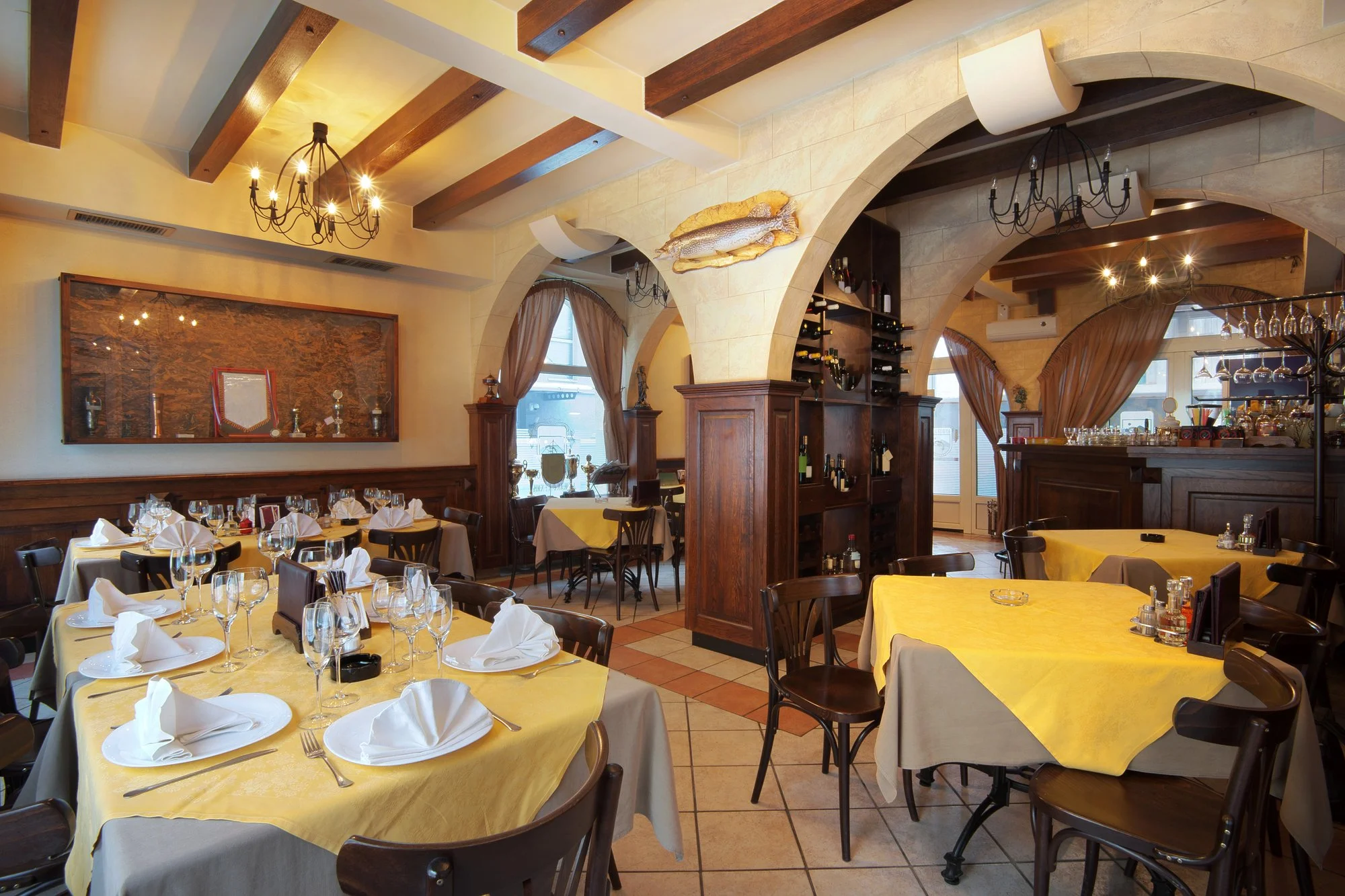
In hospitality, small inefficiencies rarely stay small. Over time, they compound,affecting service speed, accuracy and team performance.
When storage is insufficient, clutter builds. When service areas are constrained, bottlenecks form. When workflows are misaligned, effort increases unnecessarily.
Design should remove these points of friction before they emerge, creating environments that support clarity rather than complicate it.
Comfort Supports Consistency
Staff operate within these environments for extended periods. Comfort is not an added benefit; it is essential to sustained performance.
Lighting, ventilation and temperature all influence how a space is experienced throughout the day. Ergonomic considerations support repetitive tasks, reducing strain and improving efficiency over time.
In high-energy venues like Sushi Hotaru, balancing intensity with comfort ensures teams can perform consistently, without compromise.
Clarity Builds Confidence
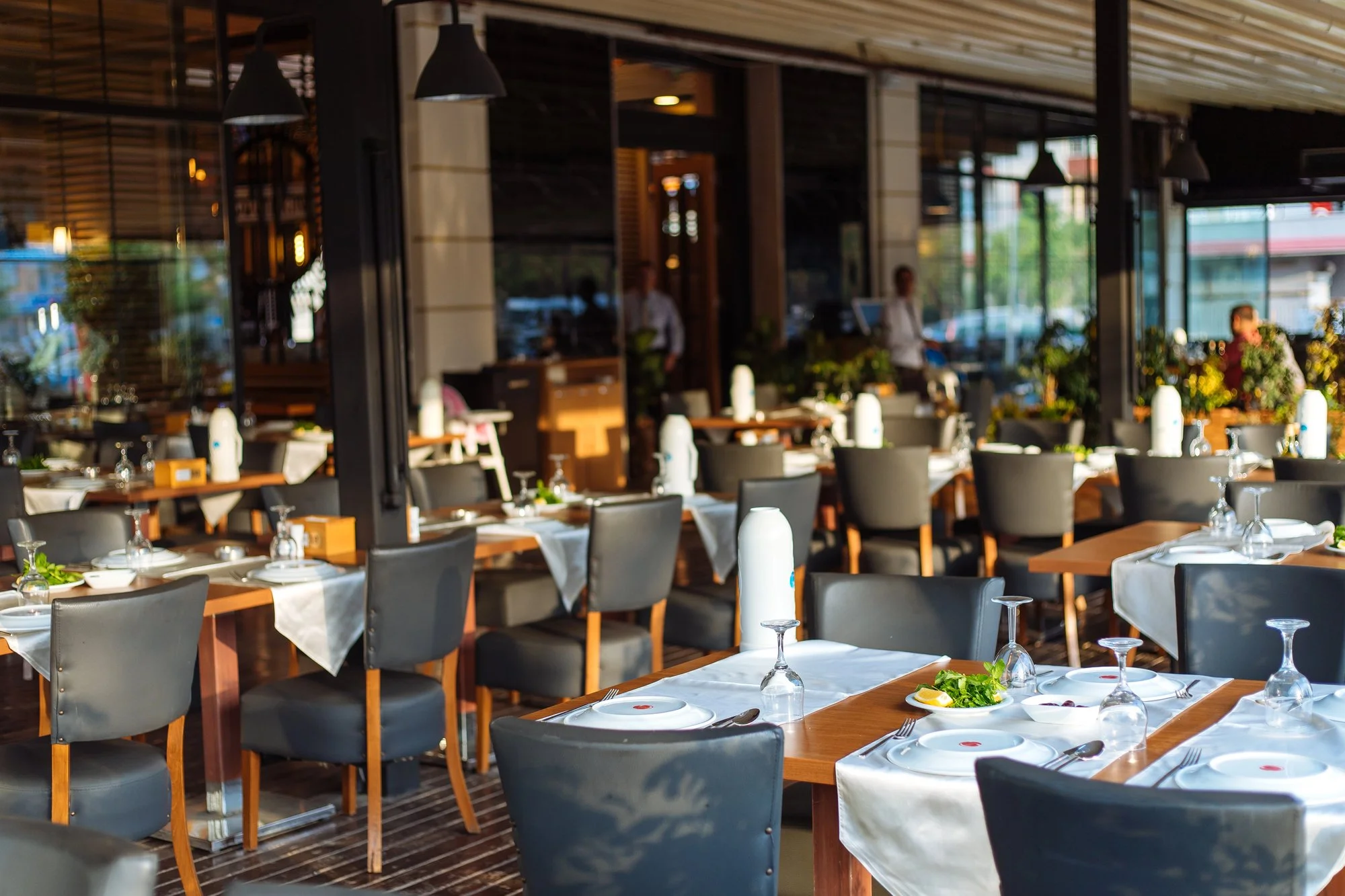
A well-designed space should never require explanation. When spatial hierarchy is clear, movement becomes instinctive. Defined zones reduce hesitation, even during peak periods, and communication between team members improves naturally.
This clarity extends beyond staff — it shapes the overall experience, creating a sense of ease for both those working within the space and those moving through it.
Designing for Culture, Not Just Function
Workplace culture is shaped not only by people, but by the environments they inhabit.
Spaces that support staff wellbeing, from considered back-of-house areas to moments of pause — signal respect for the team behind the experience. They contribute to stronger morale, better retention and a more cohesive operation.
Projects like Ice Kirin Bar reflect this balance, in which operational intensity is supported by a clear, unified spatial approach throughout the venue.
Looking Ahead
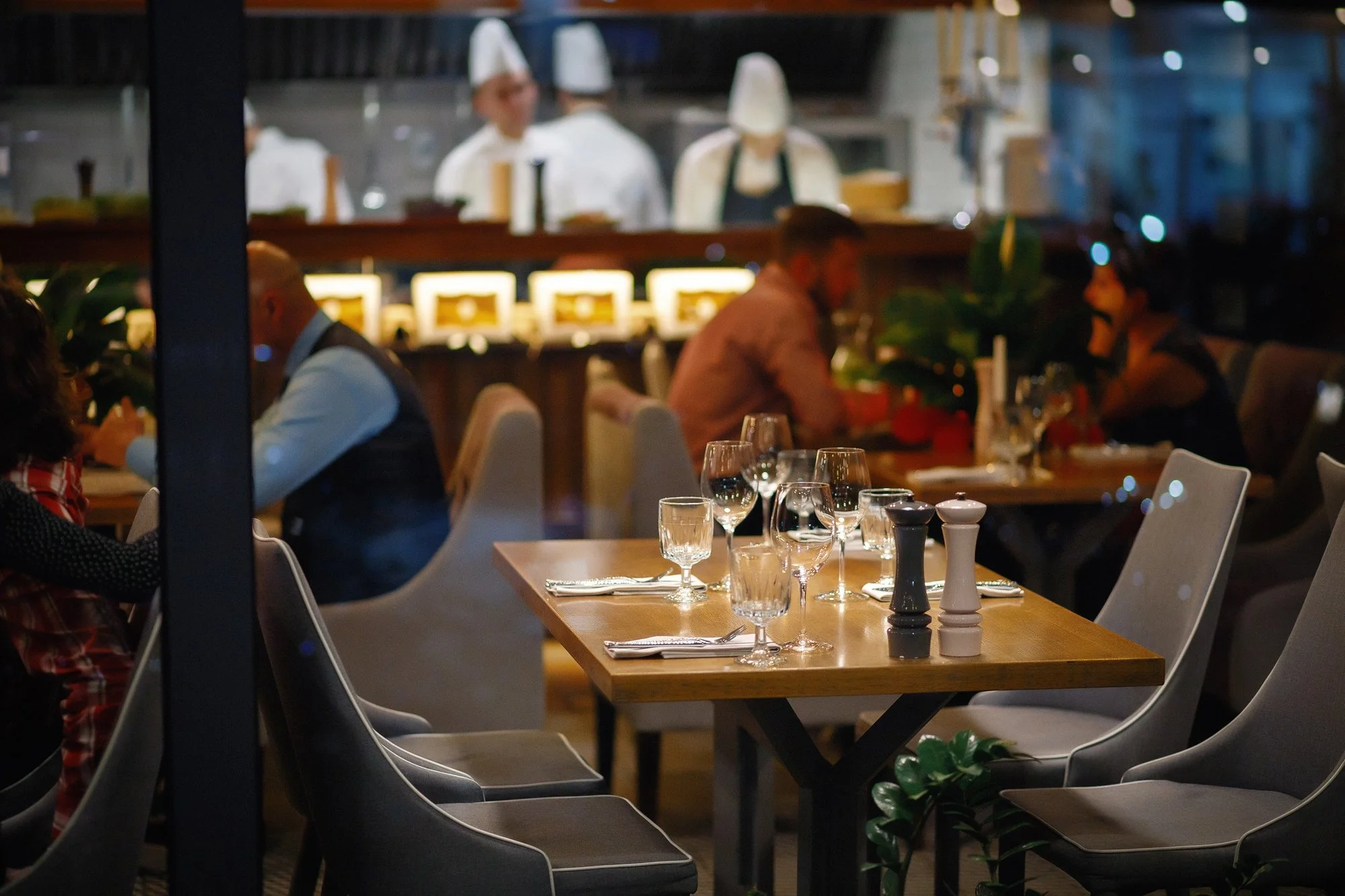
As hospitality continues to evolve, staff experience will play an increasingly critical role in shaping performance.
Designing for staff is not separate from designing for customers — it underpins it. The most successful venues are those where both are considered as part of the same system.
Final Thought
Great hospitality design doesn’t just serve guests.
It supports the people who make the experience possible.
At Vie Studio, we design spaces that align team, operation and experience — creating environments that perform from the inside out.
📩 Planning a hospitality space that works for both staff and customers? Let’s design a space that performs from the inside out.
