
A brand experience doesn't end when a customer leaves the space. Logos, colour and visual identity contribute to recognition, but in hospitality and retail, customers also encounter a brand physically. They experience how a space welcomes them, how they move through it, the materials surrounding them and the atmosphere created around the product or service.
At Vie Studio, we consider branding and interior design as connected parts of that experience. When visual identity and spatial design are developed with a shared purpose, the physical environment can become one of the brand's most recognisable touchpoints.
The objective isn't simply to create a space people notice. It's to create an experience they associate with the brand.
People Remember More Than Visual Identity
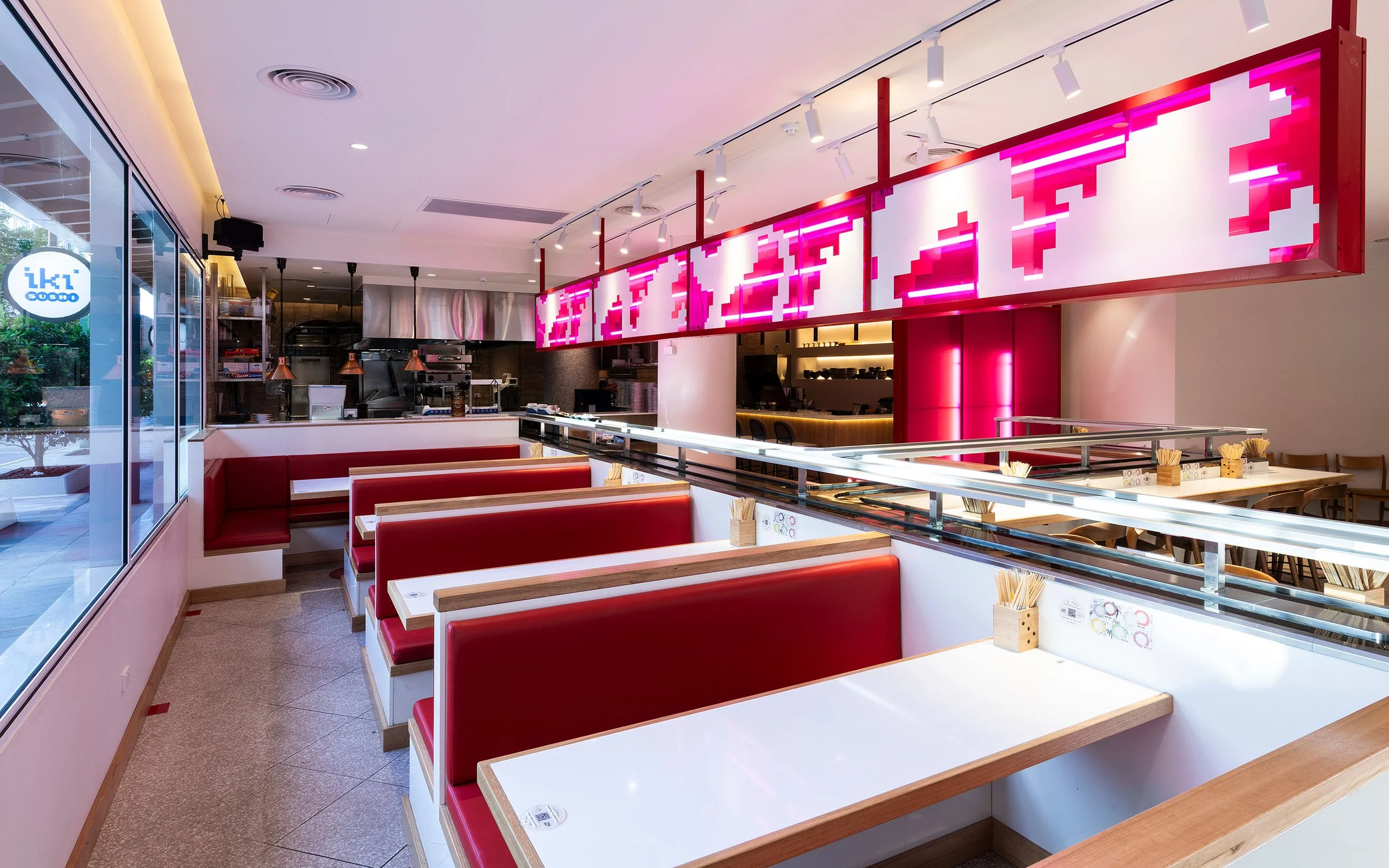
Brand recognition isn't created through a logo alone. In a physical environment, customers encounter multiple elements simultaneously—the arrival experience, spatial rhythm, materiality, lighting, service points and the way different areas connect.
Individually, these decisions may feel subtle. Together, they establish the character of the experience. A brand positioned around warmth and familiarity, for example, requires a different spatial response from one built around precision, energy or restraint.
When the environment consistently reflects that positioning, customers can begin to recognise the brand not only through what they see, but through how the space feels.
Every Spatial Decision Can Communicate Brand
Physical space gives brand identity another dimension. Layout can influence whether an experience feels open and social or intimate and considered. Materiality can communicate craftsmanship, accessibility or refinement. Lighting can establish mood, while proportion, form and detailing contribute to the overall personality of the environment.
These decisions are most effective when they're grounded in a clear understanding of the brand. At Vie Studio, this means considering brand identity alongside the interior from the beginning—allowing graphic and spatial elements to support one another rather than applying branding as a final decorative layer. The space itself becomes part of the brand language.
Recognition Comes From Consistency, Not Replication

For brands with multiple locations, recognition becomes increasingly important. Customers may encounter different footprints, layouts and site conditions, but there can still be a sense of familiarity between venues.
That familiarity doesn't require every location to look identical. Instead, recognisable elements can be carried across locations through:
material and colour language
spatial principles
recurring forms and details
customer journey
graphic and environmental brand elements
consistent approaches to atmosphere
The balance lies in determining which elements define the brand and which can adapt to the context of each location. Strong consistency creates connection without turning every venue into a copy of the last.
Emotion Gives Identity Meaning
People may not remember every finish, fixture or detail they encounter. They are more likely to carry away an overall impression of the experience.
Did the space feel energetic? Calm? Intimate? Familiar? Refined? These emotional qualities can become part of how customers understand the brand itself.
This is why atmosphere should never be treated as an afterthought. Materiality, lighting, scale, spatial rhythm and customer journey all contribute to the emotional character of an environment.
When that character aligns with the brand's positioning, the experience feels more coherent and intentional.
Memorable Spaces Can Extend Beyond the Visit

A physical environment can continue contributing to brand recognition after the customer leaves. Distinctive spaces may become part of how people recall, discuss or share their experience of a business. A recognisable material detail, spatial feature or moment within the customer journey can become associated with the brand beyond the venue itself.
Digital platforms have also extended the reach of physical environments. Hospitality and retail spaces frequently appear in customer photography, social content and brand communications, allowing spatial identity to exist across both physical and digital touchpoints.
This gives commercial interior design a role beyond the boundaries of the tenancy. The space can become part of how the brand presents itself to a wider audience.
Repeated Experiences Build Familiarity
Brand recognition develops over time. A returning customer may encounter familiar spatial cues, while someone visiting another location may recognise elements from a previous experience.
For growing businesses, maintaining these connections requires clarity around what makes the experience distinctly theirs. At Vie Studio, we consider how branding and interior design can establish these recognisable elements while still allowing individual locations to respond to their own context.
Consistency shouldn't restrict a brand. It should give the brand a stronger foundation from which to evolve.
Looking Ahead

As hospitality and retail become increasingly experience-led, physical environments will remain an important part of how customers encounter and understand brands. The opportunity isn't simply to create visually distinctive interiors.
It's to build environments where brand identity, customer experience and spatial design reinforce one another. For businesses, that means thinking beyond what customers see and considering what they will experience, associate and remember.
The most recognisable brands aren't only seen. They're experienced.
Final Thought
Brand memory isn't created by logos alone. It's reinforced through the accumulation of visual, spatial and experiential touchpoints that give a business its character.
At Vie Studio, we bring branding and interior design together to create commercial environments where identity can be experienced through space. By considering materiality, customer journey, atmosphere and visual language as part of one cohesive design approach, we create environments that strengthen brand recognition while remaining authentic to the business behind them.
📩 Planning a hospitality, retail or commercial project? Let's create a space that gives your brand a physical identity customers can recognise and remember.
