
Why Brand Strategy Should Guide Design Concepts
Every successful commercial space begins before the first material is selected or layout is resolved. While it's tempting to move immediately into visual concepts, the strongest projects are grounded in a clear understanding of the brand—what it represents, who it serves, how it should be experienced and where the business is heading.
At Vie Studio, branding and interior design are not treated as separate conversations. We consider how brand strategy can inform the spatial experience, creating a clearer foundation for decisions around materiality, atmosphere, customer journey and visual identity.
Brand strategy doesn't limit creativity. It gives creativity direction.
Design Should Be Grounded in Brand
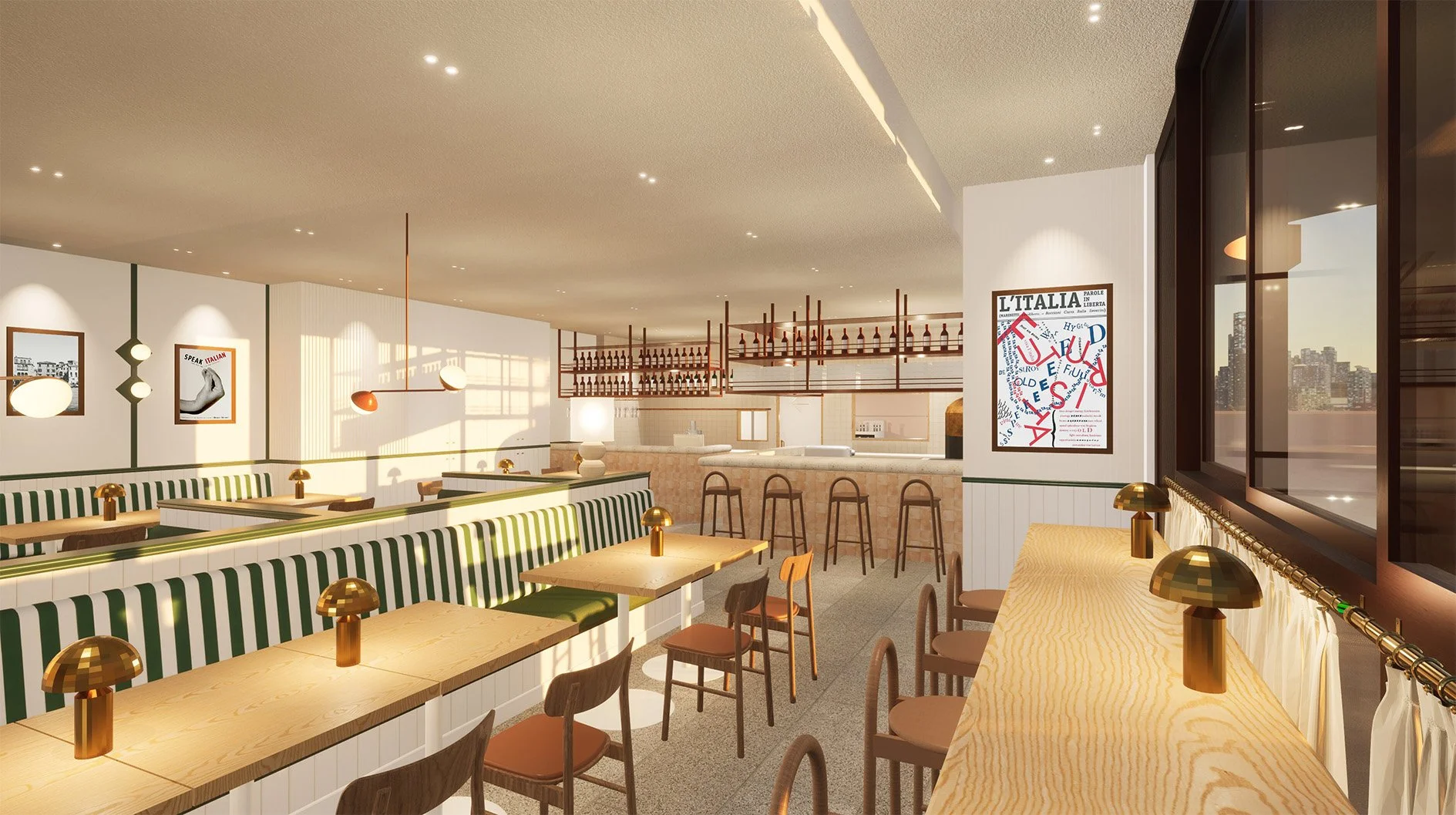
A commercial interior is one of the most tangible ways customers experience a brand. Before determining how a space should look, it's important to understand what the business wants to communicate and how customers should experience it.
That understanding can influence everything from spatial planning and materiality to lighting, colour and atmosphere. For businesses with an established identity, this may mean translating existing brand principles into space.
For newer or evolving businesses, branding and interior design can develop together—allowing each discipline to strengthen the other. The objective is the same: creating an environment that feels authentic to the business behind it.
Strategy Creates a Framework for Better Decisions
Every commercial project involves countless design decisions. Without a clear strategic direction, choices can easily become subjective—driven by individual preference, isolated references or short-lived trends.
Brand strategy provides a point of reference.
Does this material reflect the intended positioning?
Does this atmosphere align with the customer we want to reach?
Does this spatial experience communicate the right personality?
When those questions can be answered against a shared strategy, individual design decisions begin working towards the same objective. Cohesion isn't created by making everything look the same. It's created by giving every element a reason to belong.
Brand Shapes Experience, Not Just Aesthetics
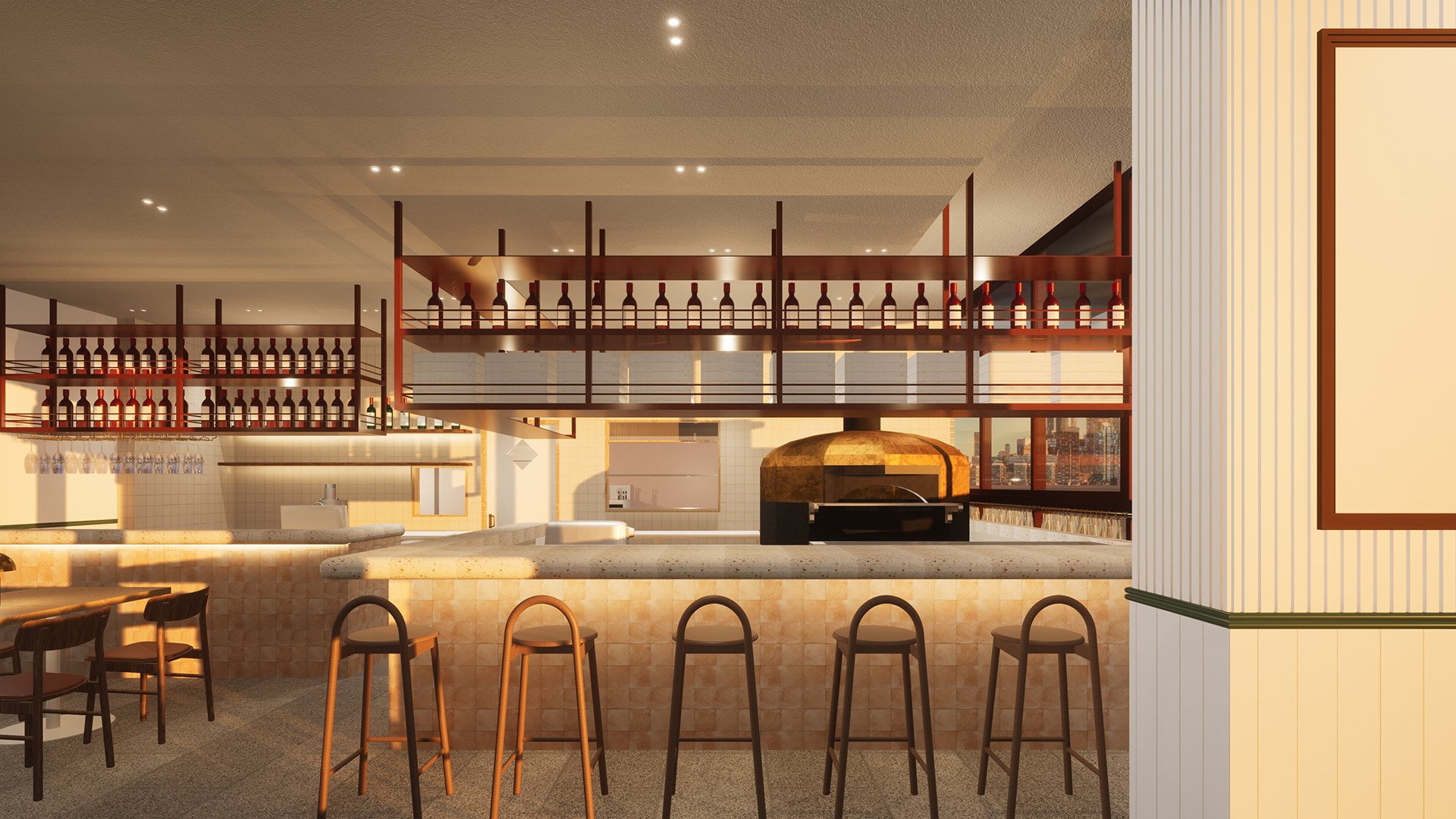
Brand identity extends beyond logos, colours and graphics. In a physical environment, customers experience a brand through movement, atmosphere, service, materiality and interaction.
A hospitality venue intended to feel energetic and social requires a different spatial response from one positioned around intimacy and restraint. A retail brand built around accessibility may approach customer journey differently from one centred on discovery and exclusivity.
These experiences should be intentional. At Vie Studio, we look at how brand identity can translate across both visual and spatial touchpoints, creating an environment where what customers see, feel and experience tells a consistent story.
Strategy Can Support Future Growth
For businesses with ambitions to expand, a clearly defined brand becomes increasingly valuable. A single venue can establish an identity. Multiple locations require an understanding of which elements are fundamental to that identity and which can adapt.
Brand strategy can provide the foundation for scalable design thinking by identifying:
core brand principles
recognisable visual cues
spatial characteristics
customer experience priorities
elements that can respond flexibly to different sites
The goal isn't to replicate the first venue. It's to create enough clarity that future locations can evolve while remaining recognisably part of the same brand.
Clarity Can Reduce Rework and Uncertainty
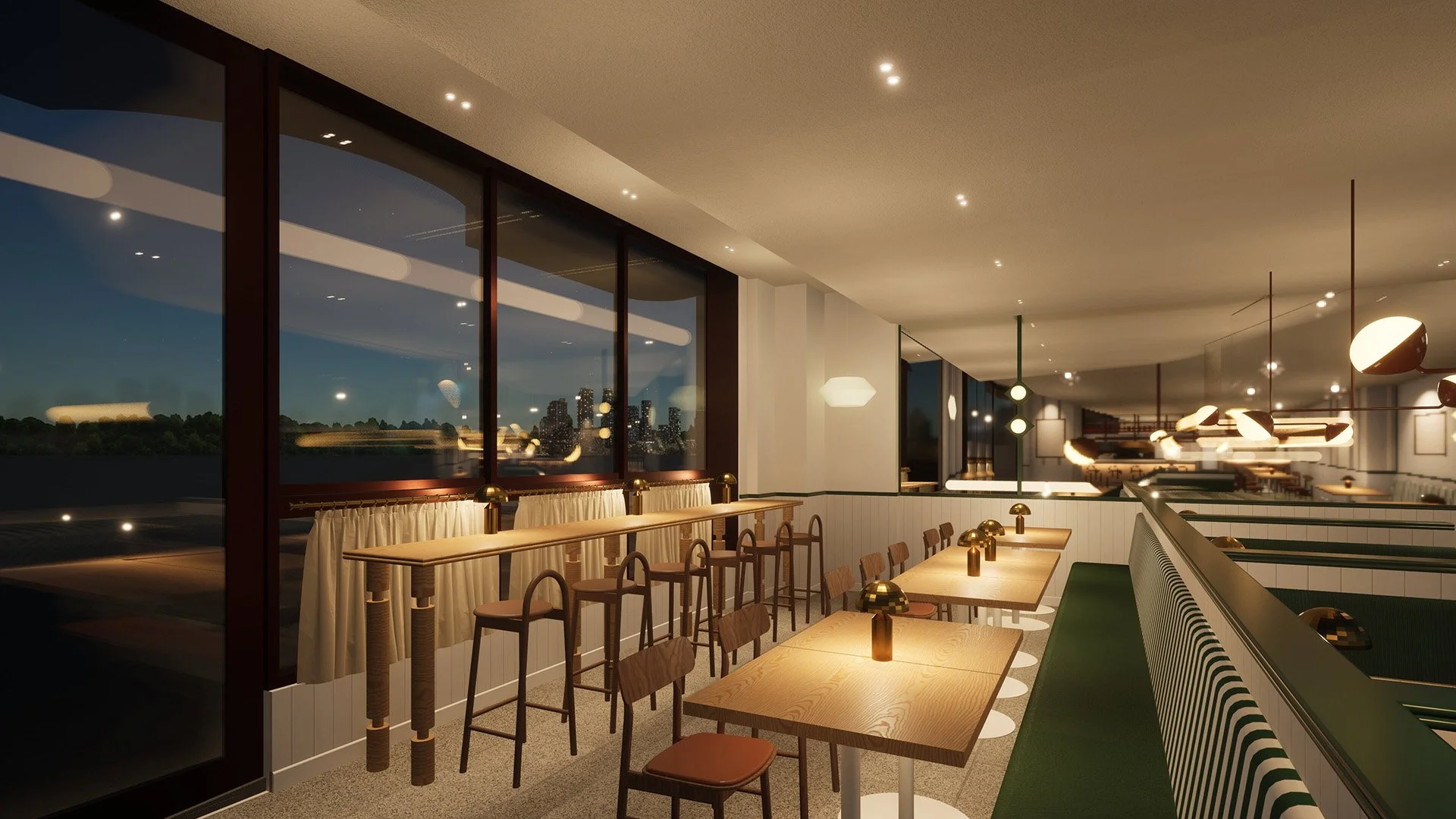
Design projects naturally evolve, but uncertainty around the fundamental direction can create unnecessary friction. Conflicting preferences, changing visual directions and repeated revisions can sometimes indicate that the underlying brand objectives haven't been clearly established.
A stronger strategic foundation gives clients and designers a shared framework for evaluating ideas as the project develops. This doesn't remove change from the design process. Instead, it helps distinguish meaningful refinement from changes that move the project away from its original purpose.
Clarity at the beginning can support more confident decision-making throughout.
Design Becomes More Than Visual
The most memorable commercial spaces aren't defined by finishes alone. They communicate something about the business through the entire experience—from the arrival sequence and customer journey to material choices, atmosphere and the way staff interact with the environment.
To design these experiences meaningfully, we first need to understand what the brand wants people to think, feel and remember. This is where Vie Studio's approach to branding and interior design becomes particularly valuable.
Rather than applying identity to a completed space, we consider how brand and interior can inform one another from the beginning—creating an experience that feels cohesive rather than layered on.
Design becomes more meaningful when it has something meaningful to express.
Looking Ahead
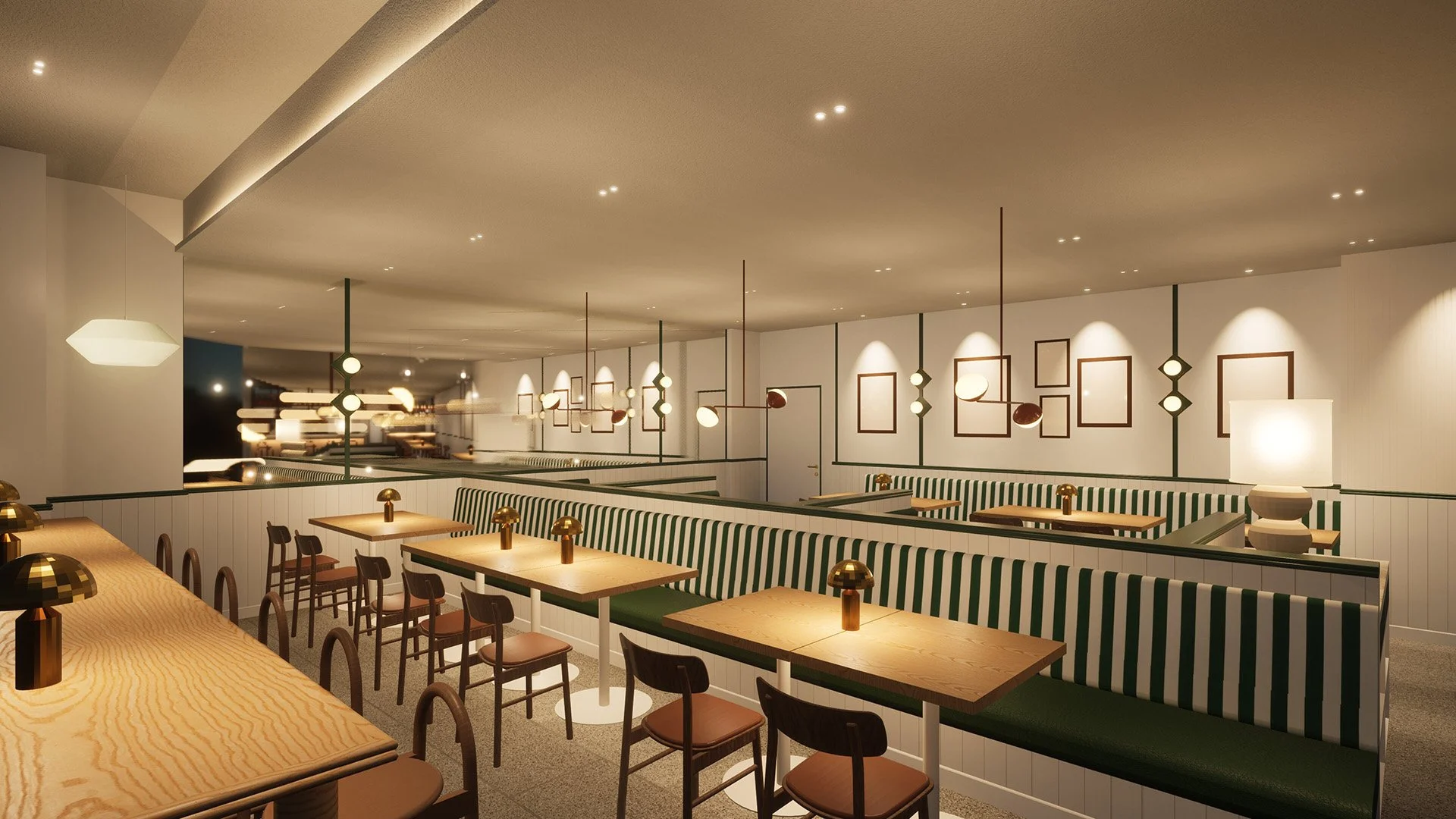
As hospitality and retail markets become increasingly competitive, distinctive brands need more than distinctive aesthetics. They need a clear point of view.
Design concepts can capture attention, but the thinking behind them creates consistency and gives future decisions a stronger foundation.
Whether a business is developing its first location, refreshing an established identity or preparing for expansion, understanding the brand provides clarity for what comes next.
The strongest spaces don't begin with a mood board. They begin with purpose.
Final Thought
Great design doesn't start with deciding on colours, materials or layouts. It starts with understanding the business and the brand behind them.
At Vie Studio, we bring branding and interior design together to create commercial environments with a clear strategic foundation. By considering brand identity, customer experience, spatial requirements and commercial objectives from the outset, we create design concepts that are purposeful, cohesive and positioned to evolve with the business.
📩 Planning a hospitality, retail or commercial project? Let's establish the thinking behind the brand—then translate it into a space with purpose.
