
Is Your Space Working as Hard as Your Business?
You spent real money making your venue look good — and it does. The fit-out photographs well. People walk in and say nice things about it.
But looking good and working well aren't the same thing, and the gap between them is where a lot of money quietly goes.
A beautiful space can still work against the business running inside it. The queue backs up and blocks the door, so a few people glance in and keep walking. The best-looking seats are the ones nobody sits in. Staff walk further than they need to, all day, every shift. None of it looks like a problem. It just shows up later, in slower service, fewer covers, and regulars who drift off without ever quite saying why.
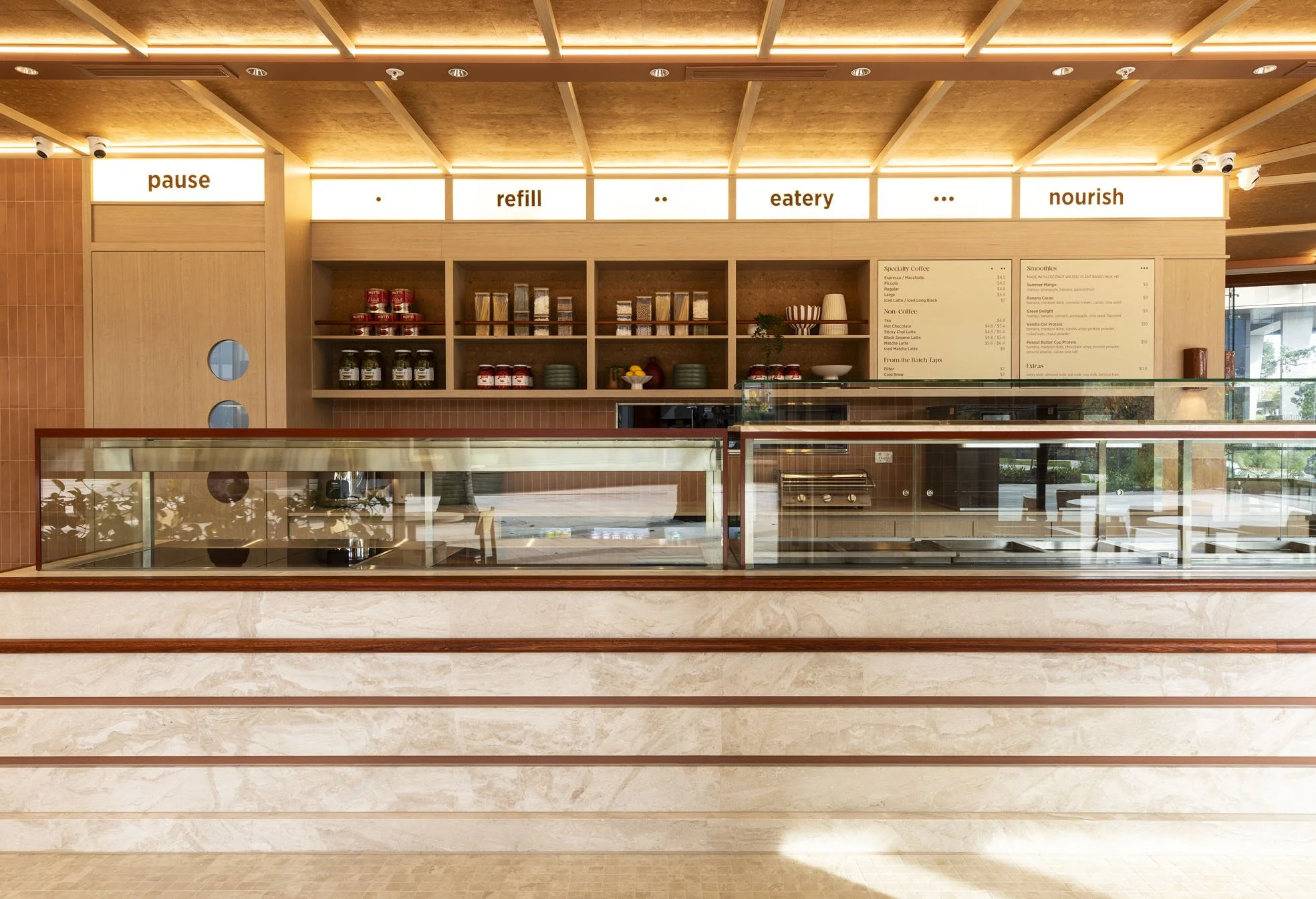
The hard part is that you're the least likely person to see it. It's your space. You stopped noticing it months ago, the same way you stop hearing the fridge hum. The problems don't announce themselves either — a badly placed counter doesn't break, it just costs you thirty seconds on every order until the lunch rush turns into a bottleneck.
So here's what to actually look at. You don't need a designer to do this first pass. You need an hour and an honest eye.
Walk it at Your Busiest, Not Your Quietest
Most owners assess their venue when it's calm — after close, or first thing in the morning. That's exactly when the problems hide. A space that feels fine empty can fall apart at peak, when every seat is full and every path is busy at once.
Stand somewhere out of the way during your busiest hour and just watch. Where does it jam? Where do two streams of people cross and get in each other's way — someone waiting to order, someone trying to leave, staff trying to get through with plates? Those pinch points are where you're losing time, and time at peak is money.
Look at the First Ten Seconds
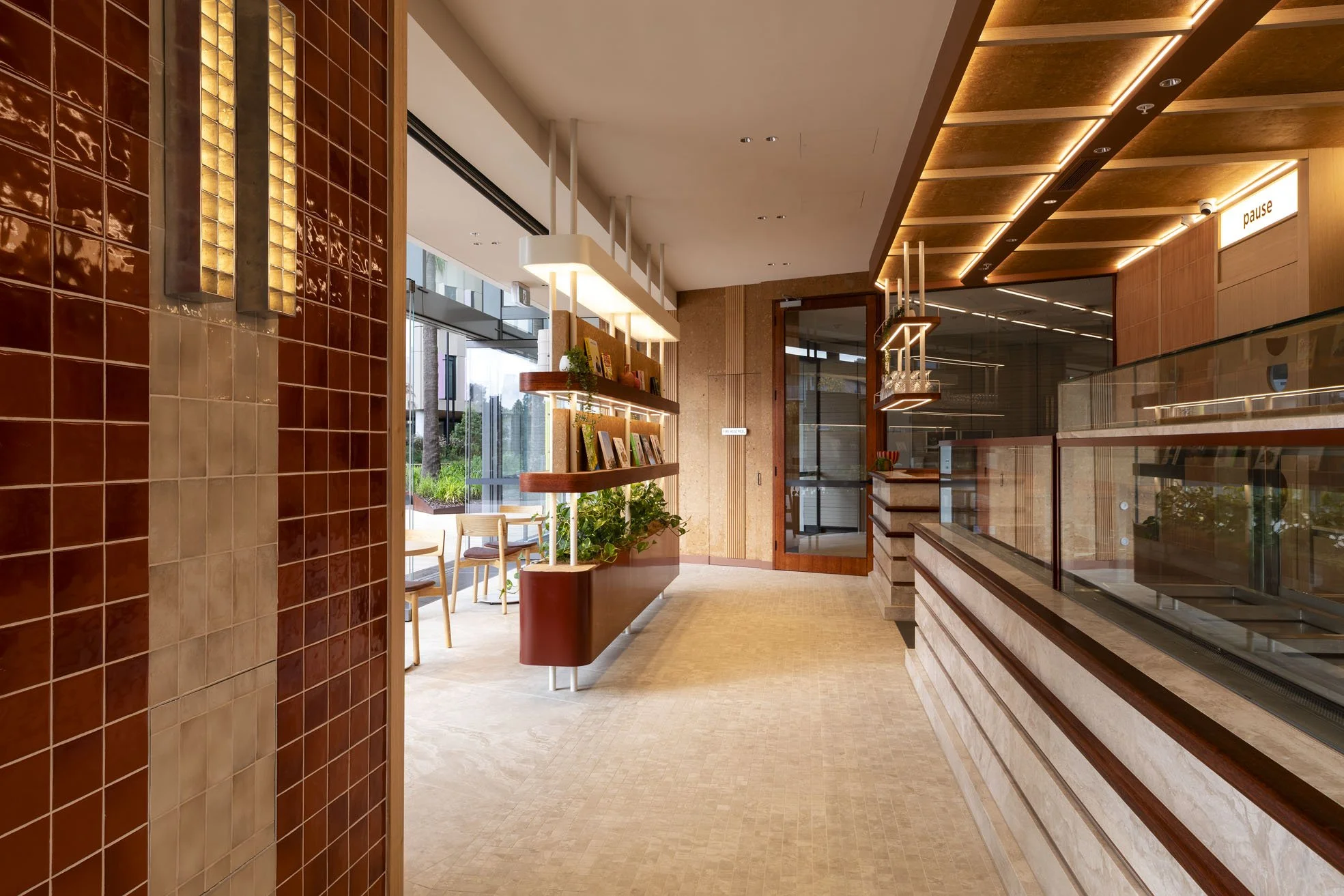
Watch a stranger walk in. Can they tell, without asking, where to go? Where to order, where to wait, where to sit? If there's a half-second of hesitation at the door, multiply it across everyone who comes in. A venue that makes people think — even briefly — feels harder to use than one that just quietly guides them.
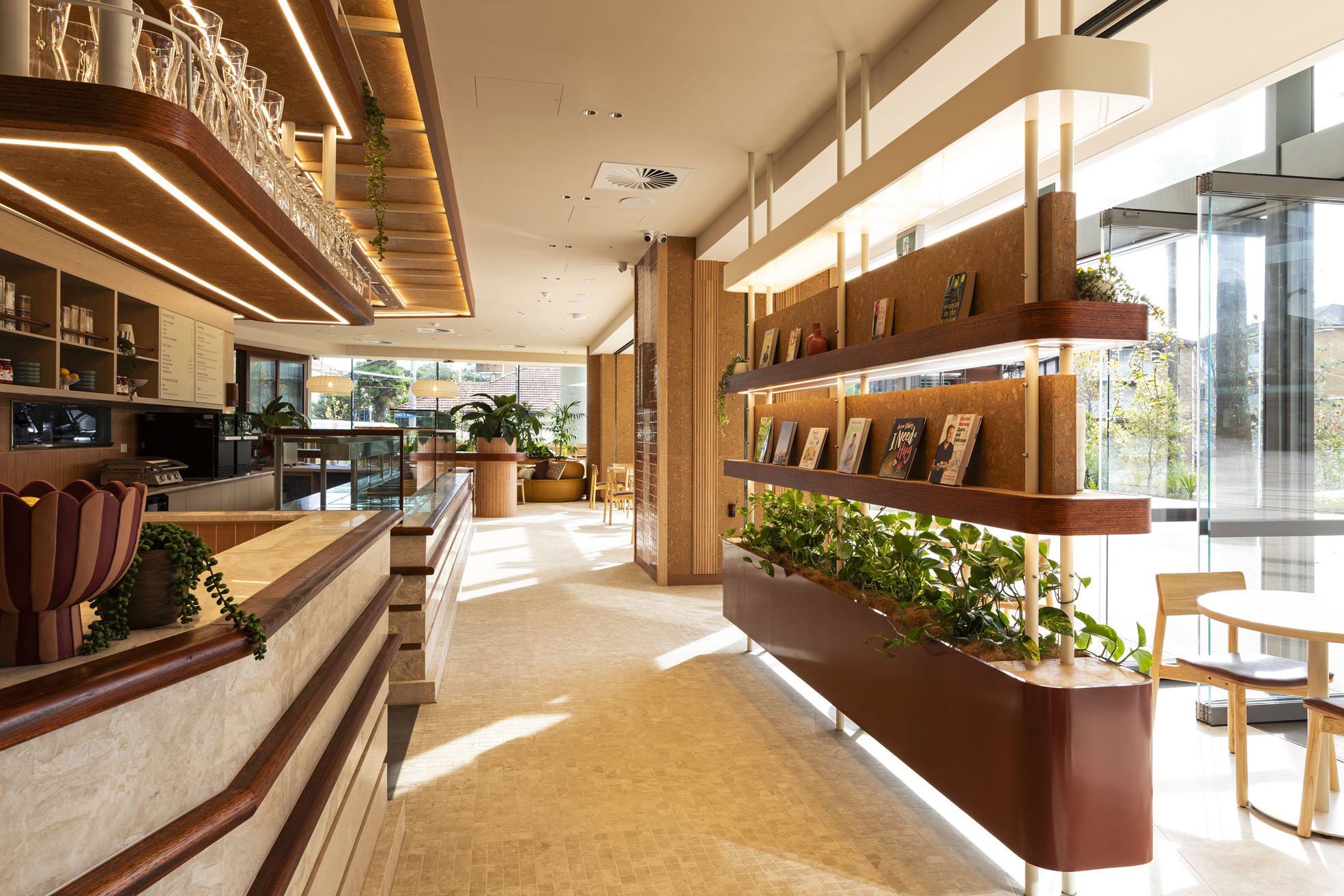
And check what the queue does. If people lining up to order end up blocking the entrance, you're turning away the customers who see a crowd and assume it's not worth the wait.
Find the Seats Nobody Uses
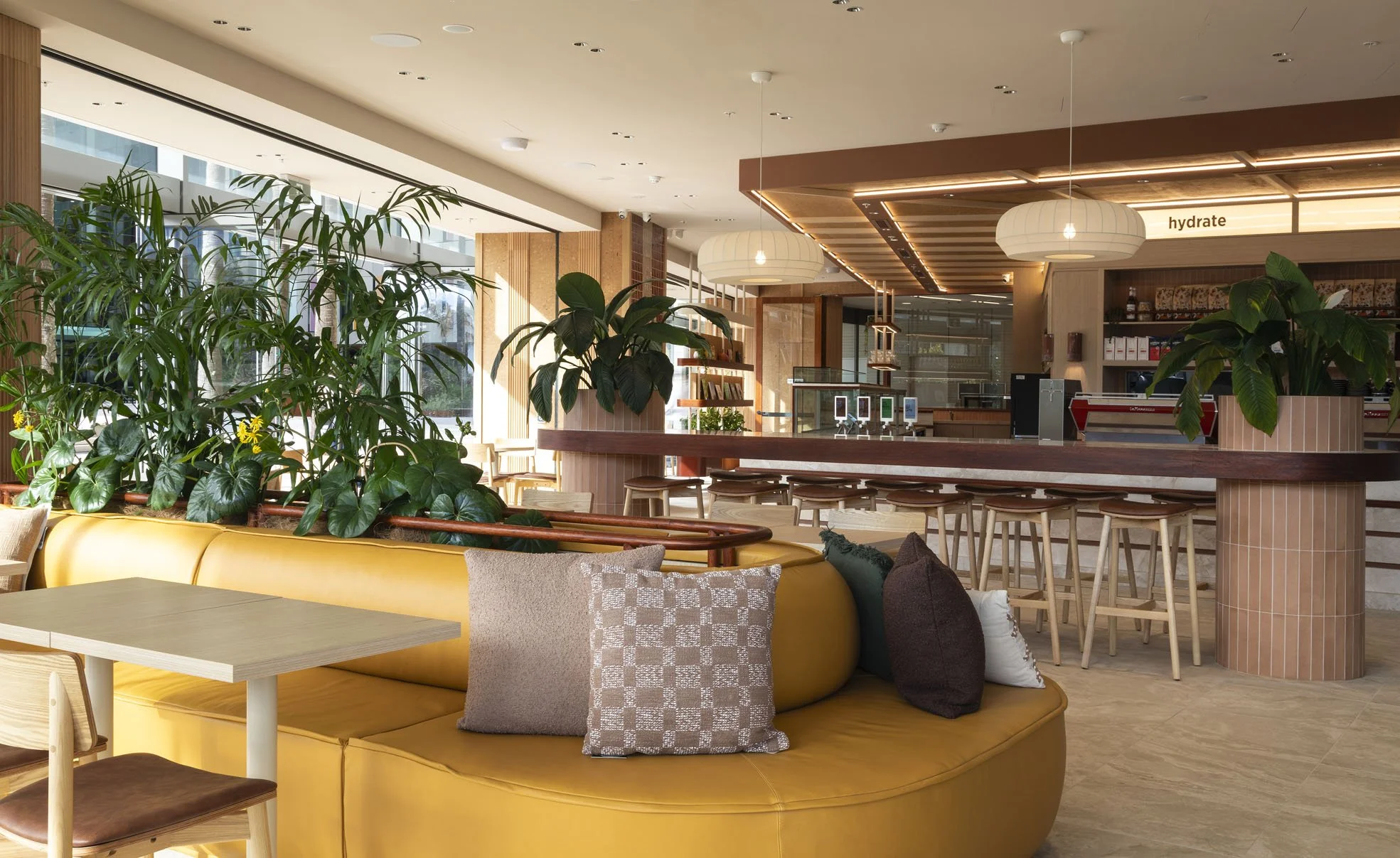
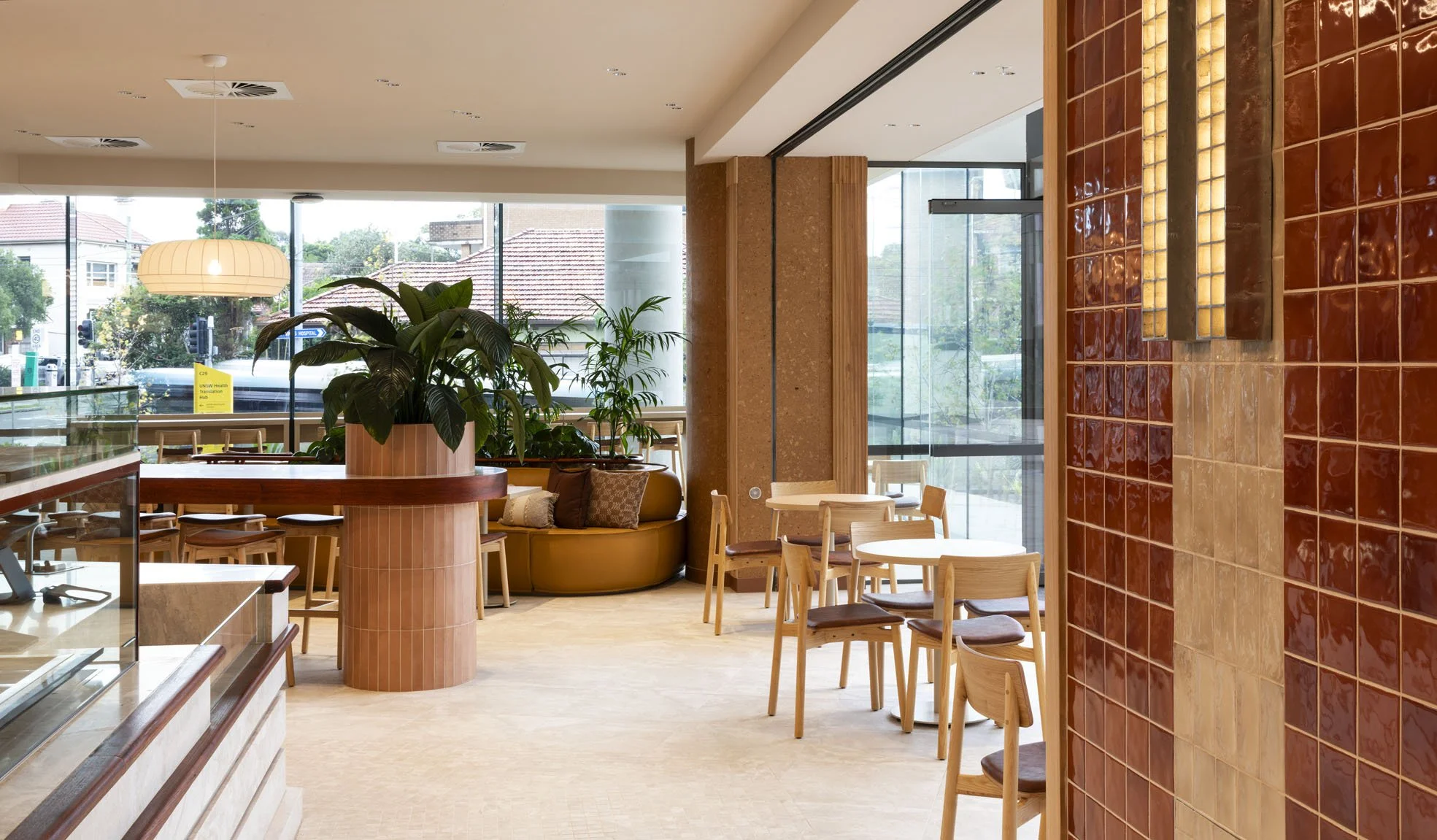
Every venue has them — a table or a corner that stays empty even when the place is full. That's not bad luck. It's usually too exposed, too tucked away, too close to the bins or the kitchen door, or just awkward to get to. Those dead seats are capacity you paid to build and aren't earning. Sometimes the fix is as small as turning them, or changing what kind of seat they are.
Notice the Two Kinds of Customers
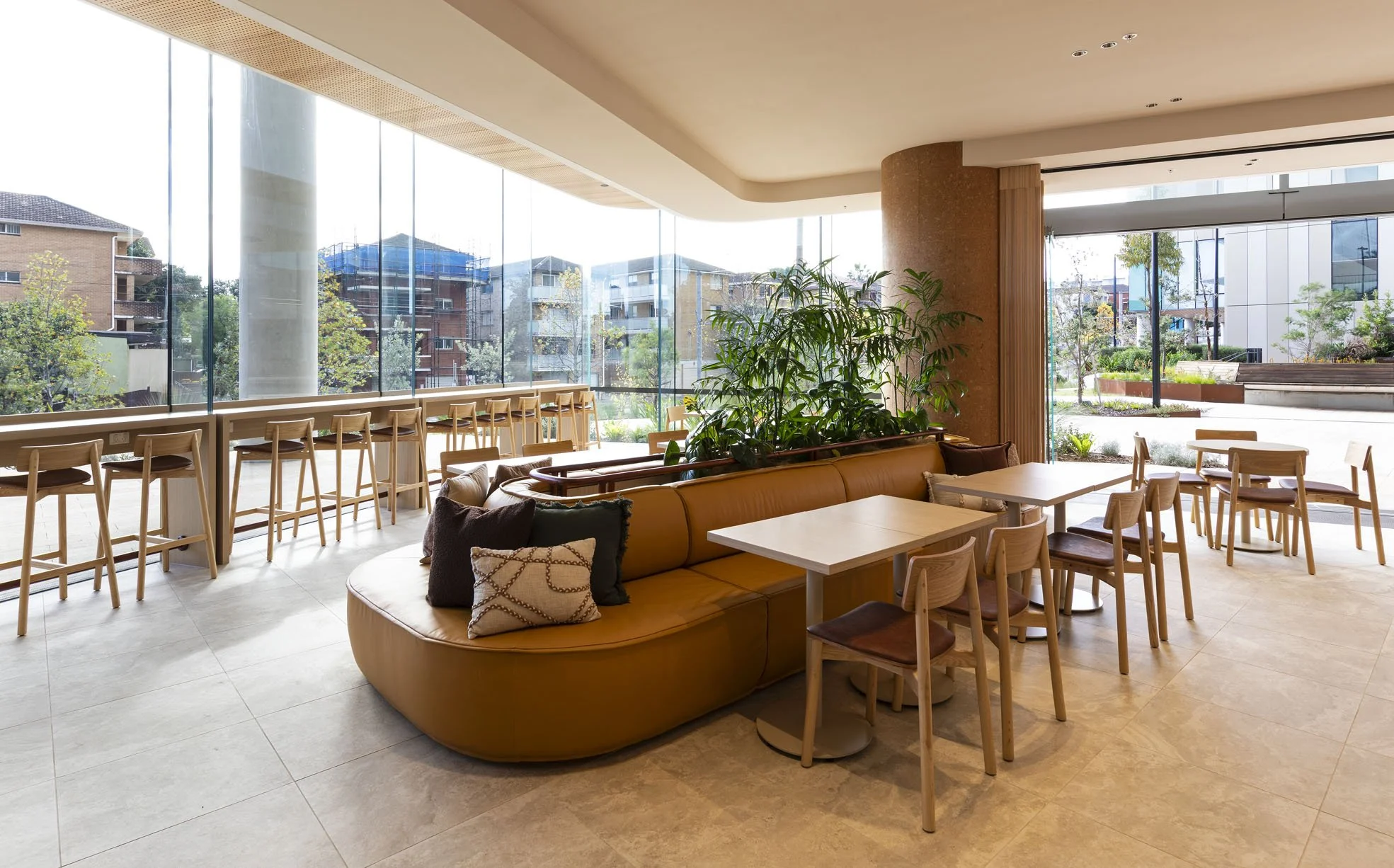
Most hospitality venues serve two people at once: the one who wants to move fast — grab something, go — and the one who wants to stay a while. A space that's built around only one of them frustrates the other. The person in a hurry gets stuck behind people settling in; the person who wants to linger feels rushed by the churn at the counter.
The best venues let both happen in the same room without either getting in the other's way. When that's working, you can feel it — the place is busy without feeling chaotic. When it isn't, both customers leave a little less happy than they should, and neither can tell you exactly why.
This Ysually isn't a Full Refit
Here's the part owners don't expect: fixing this rarely means gutting the place.
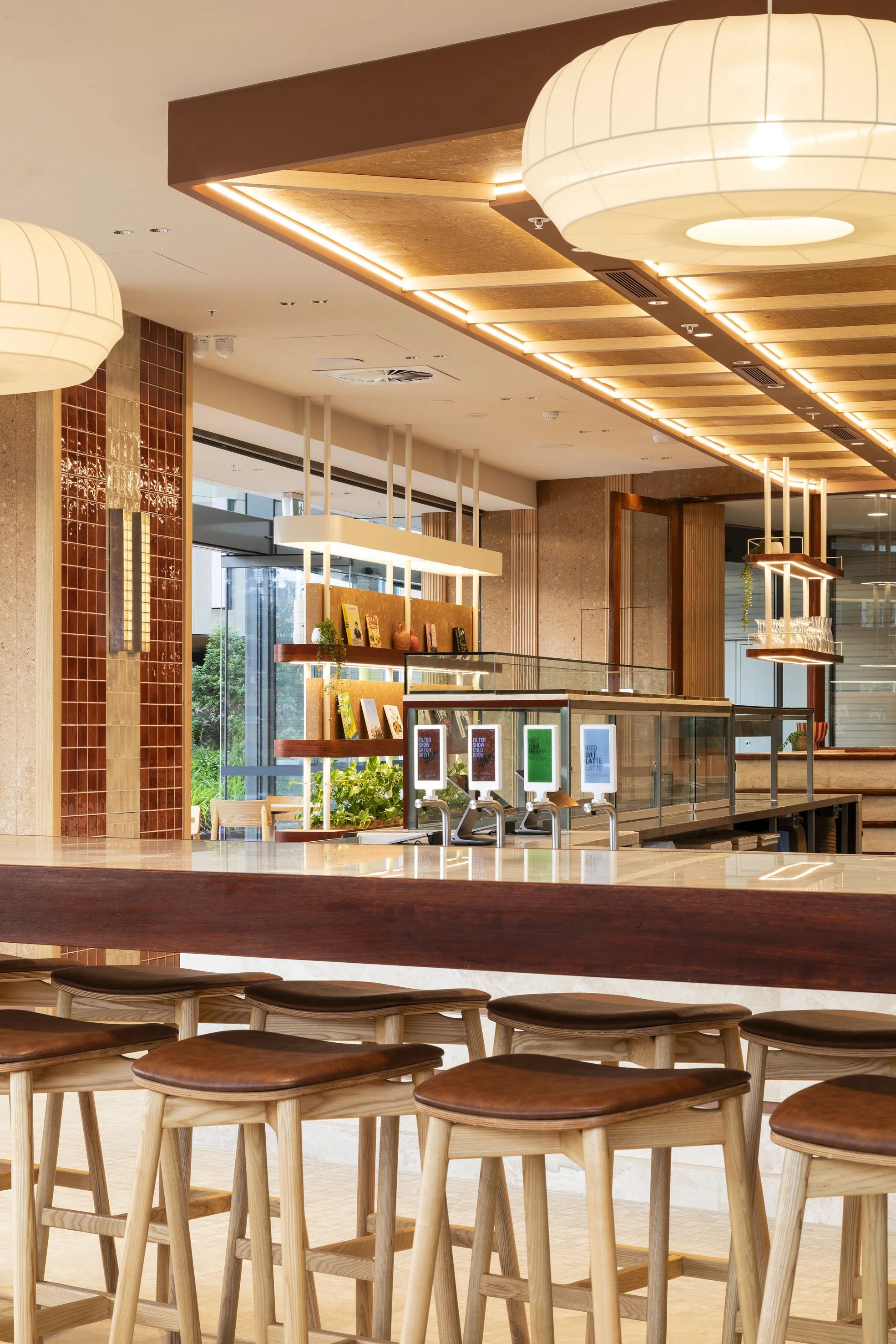
More often it's a set of smaller moves. Shifting a counter so the queue stops fighting the door. Changing the mix of seating so the room fills evenly instead of clustering. Making the path to ordering obvious so nobody hesitates. Using light to make a dead corner feel like somewhere you'd actually want to sit. Individually they sound minor. Together they change how the whole space performs — and how much of it is actually earning.
Sometimes it is bigger, and an honest answer will tell you that. But the assumption that a space that isn't working needs to be torn out and started again is usually wrong, and it's the assumption that stops owners from doing anything at all.
The Point
Your venue doesn't need to be perfect. It needs to be working for the business instead of quietly against it. Most of the venues we walk into are somewhere in between — good-looking spaces carrying a few problems the owner had stopped seeing.
If you've read this far, you've probably already pictured the corner of your own venue that never quite works. That's the place to start.
And if you'd like another set of eyes on it — someone who looks at spaces for a living and hasn't stopped noticing yours — that's the kind of thing we do. No pitch, just a look and an honest read on whether the space is pulling its weight.
