
Designing Commercial Spaces That Age Well, Not Quickly
The most successful commercial spaces aren't defined by what's trending today. They're defined by how well they continue to perform years after opening.
Whether it's a hospitality venue, retail store or workplace, a commercial interior should support the business long after the launch. As customer expectations evolve, operations adapt and brands mature, the space should be able to evolve alongside them.
At Vie Studio, we believe longevity is not simply about creating a timeless aesthetic. It's about making thoughtful design decisions that support adaptability, strengthen brand identity and help maintain commercial value over the life of a project.
Strong Foundations Outlast Trends
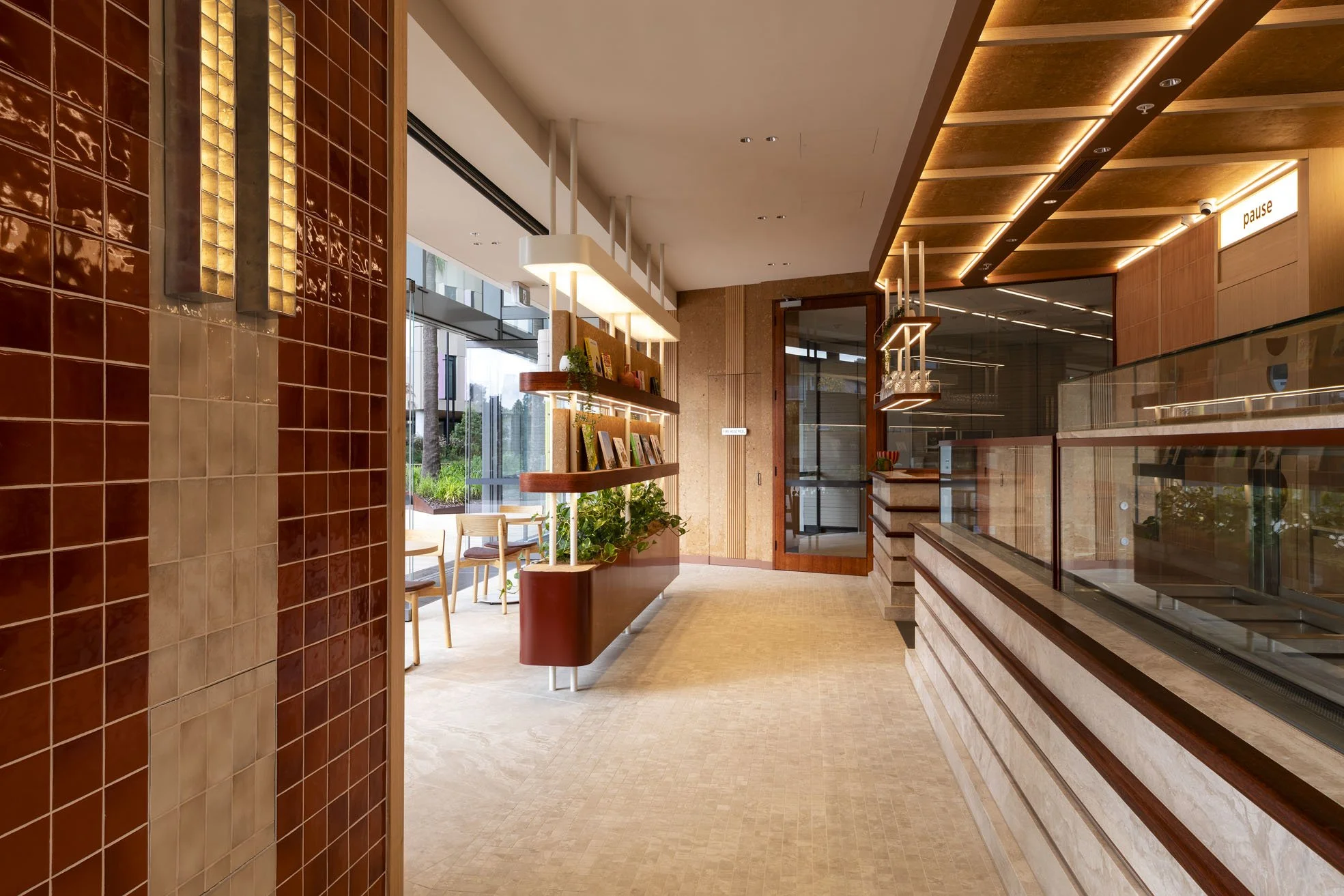
Design trends can create immediate impact, but they don't always deliver lasting value. Commercial environments built around short-lived aesthetics often require earlier refurbishment as tastes and market expectations change.
By contrast, spaces grounded in clear spatial planning, considered materiality and a cohesive design language remain relevant well beyond current trends.
Rather than designing for what's popular today, we focus on creating spaces with strong foundations—allowing brands to evolve without constantly reinventing their environment. Longevity begins with good design principles, not temporary trends.
Materiality Should Improve With Time
Materials shape more than the visual character of a space—they influence how it performs every day. Hospitality, retail and workplace environments experience constant use, making durability just as important as appearance.
Selecting finishes that wear gracefully can help reduce maintenance, support operational performance and preserve the overall quality of the customer experience.
At Vie Studio, material selection considers both aesthetic intent and practical performance. Every finish should contribute to the long-term success of the project—not simply its opening-day impression. Good materiality doesn't resist age. It accommodates it.
Design for Change, Not Just Completion
Commercial spaces rarely remain static. Businesses grow, operational requirements shift and customer expectations continue to evolve. Successful interiors acknowledge this from the outset by incorporating flexibility into the planning process.
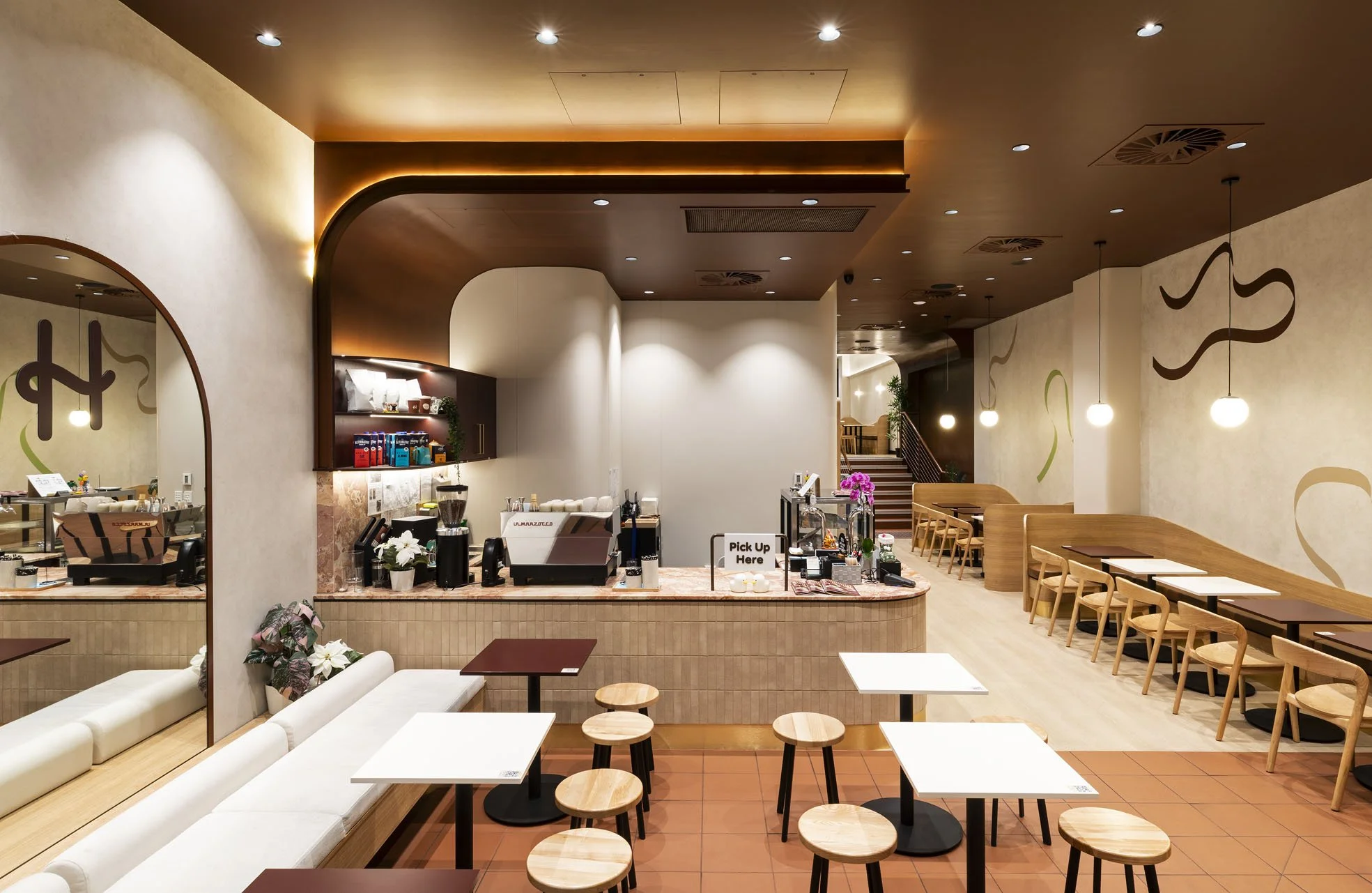
This might include:
adaptable layouts that accommodate future operational changes
planning that supports evolving service models
infrastructure that allows future upgrades with minimal disruption
Designing for adaptability helps businesses respond to change without compromising the overall experience or requiring significant refurbishment. The best commercial environments are designed to evolve—not be replaced.
Operational Performance Supports Longevity
A space that functions well is more likely to remain valuable over time. Thoughtful circulation, intuitive zoning and efficient operational planning improve daily experiences for both customers and staff while reducing unnecessary friction.
These decisions can also minimise the need for future modifications as businesses expand or refine their operations.
At Vie Studio, we see operational performance as a core part of successful commercial design. A well-performing space continues to deliver value long after construction is complete.
Brand Should Mature, Not Date
Commercial interiors are physical expressions of a brand. When identity relies heavily on trend-driven graphics or decorative features, the space can quickly feel dated. A stronger approach is to embed brand into the architecture itself—through materiality, proportion, lighting, spatial rhythm and atmosphere.
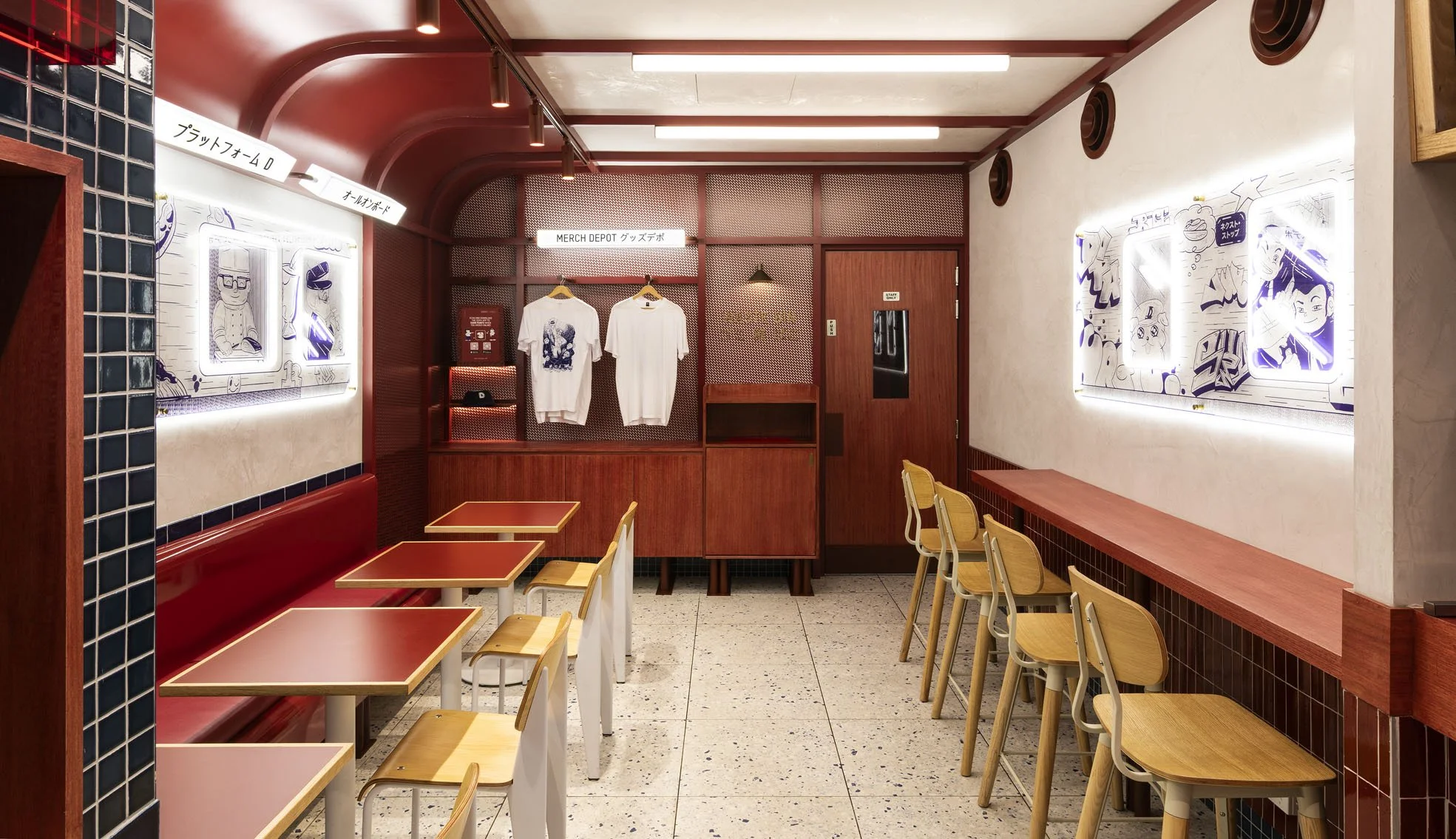
This creates environments that mature naturally alongside the business, allowing the brand to evolve without losing recognition or requiring complete reinvention. The most enduring commercial spaces are remembered for how they feel, not simply how they look.
Long-Term Value Begins Early
Spaces that age well rarely do so by accident. They're shaped by early design decisions that balance creativity, functionality and commercial thinking. Every choice, from spatial planning and lighting to detailing and material selection, influences how the environment will perform over time.
Designing with longevity in mind can help:
extend the useful life of a fit-out
reduce unnecessary refurbishment
support operational flexibility
maintain a consistent customer experience as the business evolves
Long-term value isn't added at the end of a project. It's established from the very beginning.
Looking Ahead
As commercial environments become increasingly dynamic, longevity will continue to be one of the strongest measures of successful design.
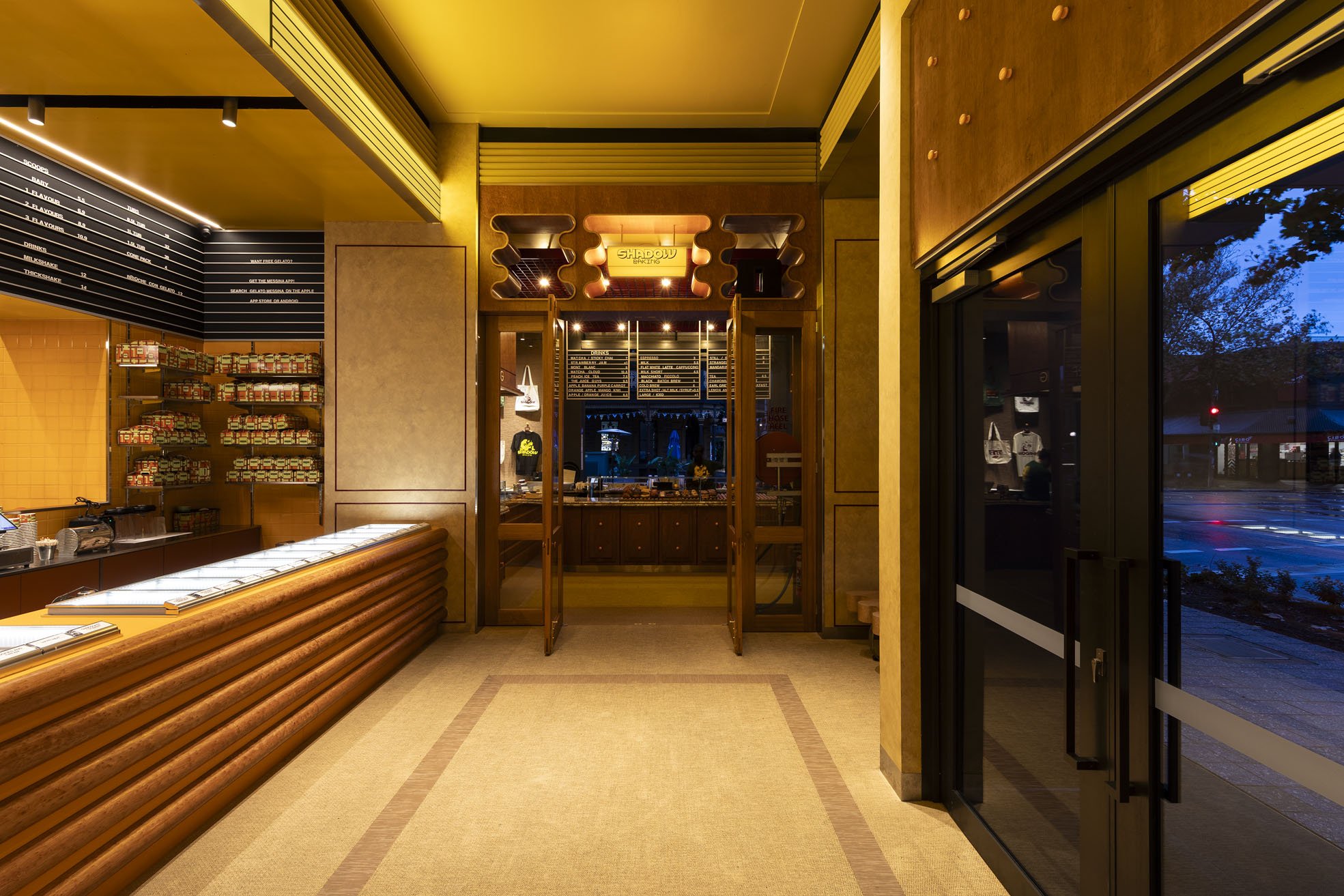
Businesses are looking beyond immediate visual impact towards spaces that remain adaptable, commercially effective and aligned with their brand over time.
Design should never be judged solely by how it looks on opening day. Its greatest value lies in how well it continues to perform.
Final Thought
The most successful commercial spaces are designed for more than first impressions. They're created to support businesses, strengthen brands and adapt to changing operational needs over many years.
At Vie Studio, we design commercial environments that balance brand identity, operational performance and long-term adaptability—creating spaces that continue to deliver value well beyond completion.
Whether you're planning a hospitality venue, retail environment or workplace, we believe good design should serve your business today while preparing it for tomorrow.
📩 Planning a commercial project with longevity in mind?
Let's create a space designed not only for opening day, but for the years that follow.
