
Designing for Neurodiversity: Inclusive Workspaces in the Modern Office
The conversation around workplace design has evolved, from aesthetics and function to empathy and inclusion. As awareness of neurodiversity grows, offices are being reimagined to accommodate the full spectrum of how people think, process, and engage.
Designing for neurodiversity is not a niche approach; it’s a framework for creating environments that support focus, reduce stress, and celebrate cognitive diversity.
Understanding Neurodiversity
Neurodiversity refers to the natural range of neurological differences in human brains, including autism, ADHD, dyslexia, and sensory processing variations.

In design, recognising neurodiversity means acknowledging that not everyone experiences space in the same way, and that inclusive design benefits everyone.
By moving beyond one-size-fits-all layouts, workplaces can foster a sense of belonging and empowerment for all employees.
From Uniform Offices to Inclusive Ecosystems
Traditional office design often prioritised efficiency over comfort, assuming all employees worked best in identical environments. Today, we understand that inclusivity drives both wellbeing and performance.
Inclusive design integrates flexibility, choice, and control into every space:
Quiet zones for deep focus and reduced sensory stimulation
Collaborative hubs that encourage connection without overwhelm
Breakout spaces for rest, reflection, and decompression
This balance mirrors the principles of zoning the office, where variety enhances wellbeing and productivity.
Sensory Considerations in Design
Every sensory element, from lighting to sound, shapes how people experience space. Designing for neurodiversity requires heightened awareness of these stimuli.

Lighting: Use natural light where possible and provide dimmable, glare-free fixtures to prevent sensory overload.
Acoustics: Incorporate sound-absorbing materials and quiet areas to reduce background noise
Textures and materials: Avoid overly reflective or rough surfaces; opt for soft, tactile finishes that calm and ground.
Colour and pattern: Choose balanced, neutral palettes with occasional accents for orientation and energy.
These strategies echo the wellness-focused design principles explored in Designing for Wellness.
The Role of Flexibility
Flexibility is central to inclusivity. Spaces that can adapt to individual needs create a sense of autonomy and comfort. Consider:
Adjustable lighting and temperature controls
Furniture that supports different postures and sensory preferences
Varied seating zones — from enclosed booths to open lounges
This approach ensures environments are not only functional but empathetic, designed with awareness rather than assumption.
Technology and Wayfinding
Inclusive workspaces also rely on technology and spatial clarity. Digital wayfinding tools, intuitive layouts, and visual cues can reduce anxiety and help neurodiverse individuals navigate space more confidently.

Elements such as clear signage, defined paths, and predictable spatial hierarchies enhance comfort and accessibility. These details may seem subtle, but they profoundly impact user experience, similar to how storytelling through space creates clarity and connection.
Designing for Culture and Connection
Inclusion extends beyond physical design. A truly neurodiverse-friendly workplace reflects culture as much as architecture. By involving users in the design process and fostering open dialogue, organisations can create environments that reflect empathy, respect, and individuality.
Encourage input from diverse staff during design development
Educate teams about sensory awareness and inclusivity
Integrate design with policies that support flexible working styles
Looking Ahead
Designing for neurodiversity challenges us to rethink the modern office, from uniformity to understanding. It’s not about separating or labelling, but creating spaces that support everyone’s best way of working.
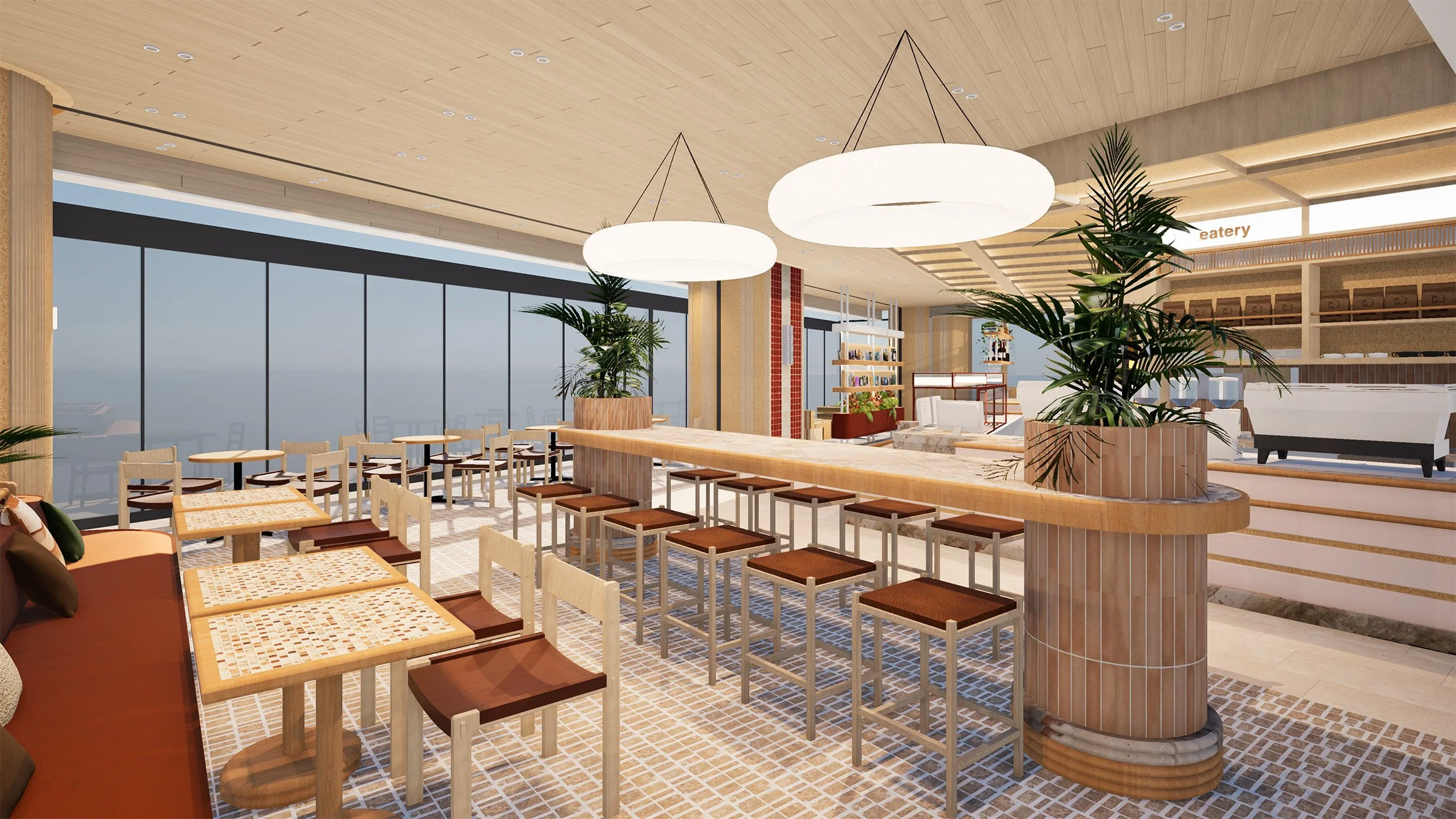
Inclusive design strengthens wellbeing, enhances creativity, and builds a culture where people feel seen, safe, and supported.
Final Thought
Designing for neurodiversity is about awareness, empathy, and adaptability. It’s about crafting spaces that embrace differences and turn them into strengths.
At Vie Studio, we design workplaces that:
Balance stimulation and calm through thoughtful spatial zoning
Integrate sensory awareness in materials, lighting, and acoustics
Foster inclusivity through adaptability and human-centred design.
📩 Planning an inclusive workplace fitout?
